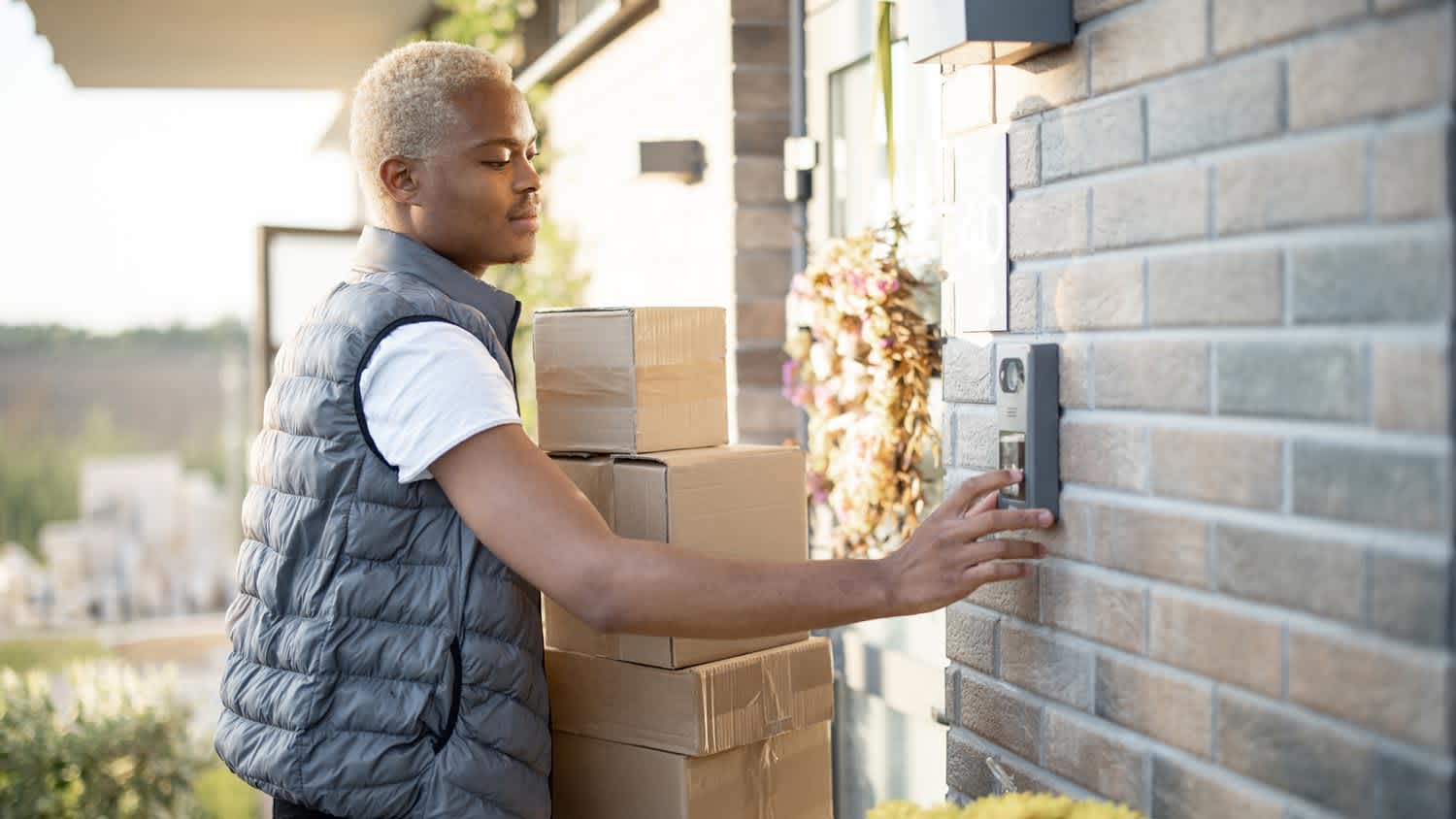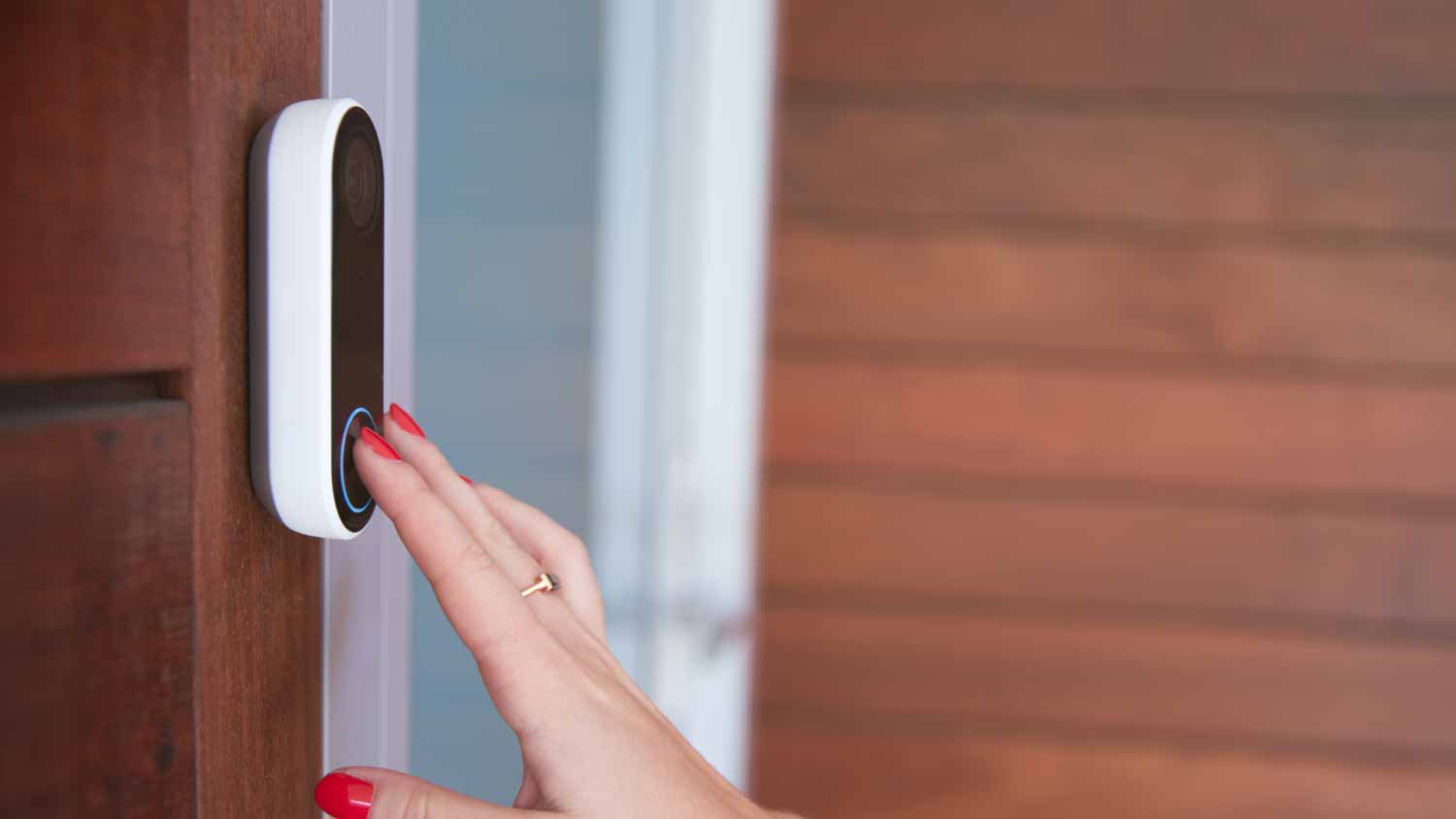



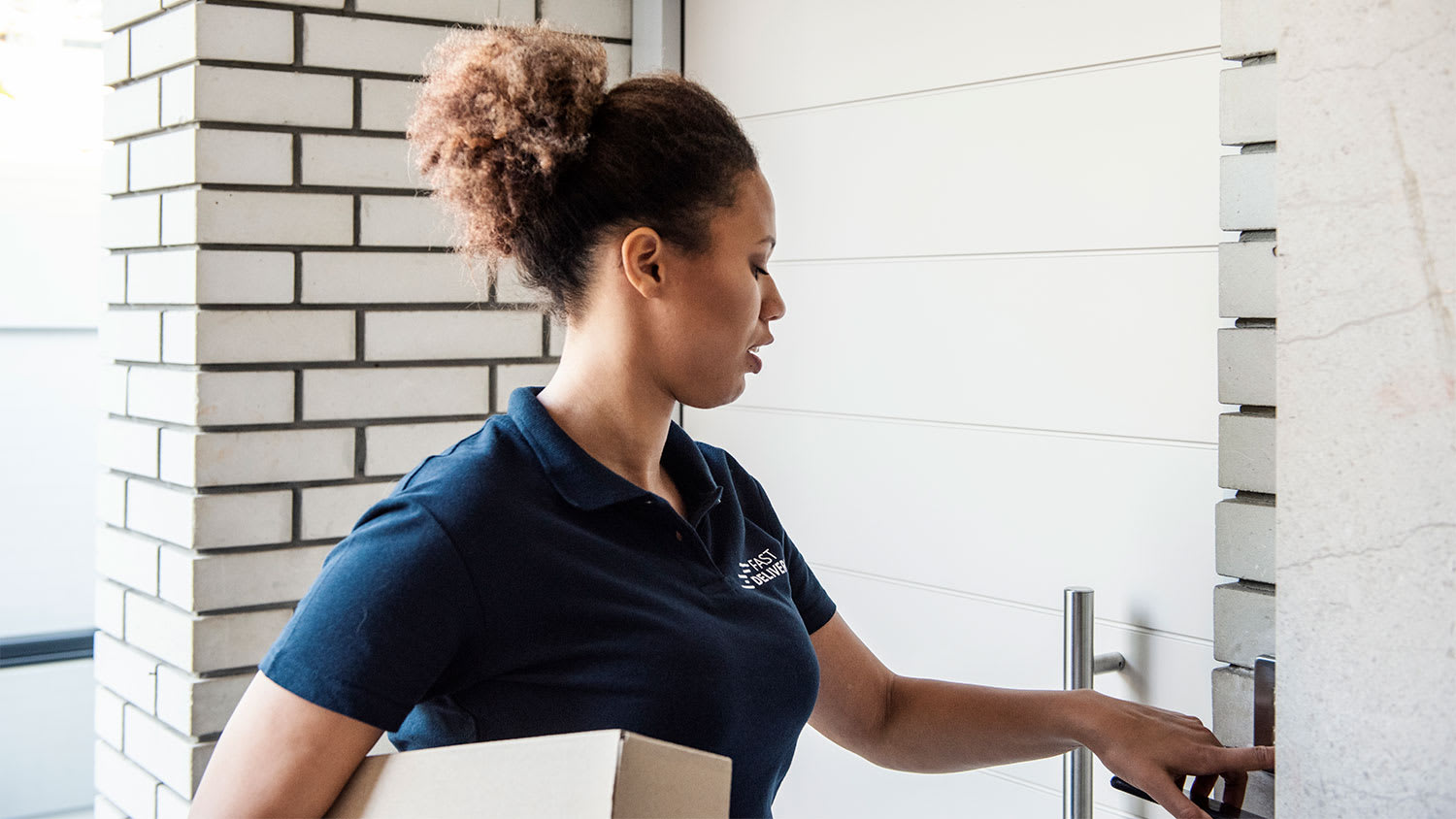
Top-rated doorbell installation pros.

Best doorbell installation pros near Berne, IN

Enter your zip and get matched with up to 5 pros

Need a pro for your doorbell installation project in Berne, IN?

Select your specific project to find the pro for you.

TRUSTED BY BERNE, IN HOMEOWNERS

  • Average homeowner rating star icon5
    Average homeowner rating
  • Verified reviews icon23
    Verified doorbell installation services reviews

Top-Rated Doorbell installation pros in Berne - Updated Nov 2026

No results for Doorbell installation pro in

Try adjusting your search criteria.
Doorbell Installation FAQs, answered by experts

Three signs that you need crawl space insulation are drafts, high energy bills, and mold. Drafts can start in crawl spaces and cause hot or cold air to spread to the rest of your home through holes in the floors and walls. And even if your entire home is well-insulated, you can still feel an unchecked draft from your crawl space and in your utility bill. Uninsulated crawl spaces can let in air and moisture, and because they’re built directly on the ground and difficult to dry out, they are hotspots for mold and mildew.

On average, insulating an attic costs about $2,500, with a typical range of $1,500 to $3,500. The final price often depends on the attic's size, with costs generally falling between $1 to $3 per square foot. For example, insulating a 1,800-square-foot attic would likely cost between $1,800 and $5,400.

If the project involves removing old insulation, this can add an average of $900 to the total cost, bringing a full removal and reinsulation project to around $3,000.

Several factors influence the overall cost:

  • Insulation Type: Prices per square foot vary significantly by material.

  • Reflective: $0.50–$1.50

  • Blown-in: $1–$4

  • Batt: $2–$4

  • Loose-fill: $2–$5

  • Spray foam: $2–$5

  • Structural insulated panels (SIPs): $4–$7

  • Project Complexity: Factors like sealing air leaks, poor attic accessibility, and required inspections can add to the cost.

  • Removal Issues: The discovery of mold, asbestos, or pests during the removal of old insulation can substantially increase the price.

Heat lost through uninsulated basement walls can account for up to 30% of the total energy lost through heat transfer to the outdoors. While homes in mild climates won't gain as much benefit from having an insulated basement as those in cold climates, the effects are still noticeable on your energy bill.

Mineral wool has an excellent life expectancy of up to 50 years, provided it's kept dry and free of pests. Compared to fiberglass, with a life span of 20 to 30 years, mineral wool stacks up well for long-term cost savings. Sheep wool maintains a similar life span to fiberglass, while estimates for hemp wool insulation life expectancies are all over the board, ranging anywhere from 20 to 100 years.

The primary downside of radiant barriers is their limited effectiveness in cold climates. They are designed to reflect radiant heat, making them less beneficial in cooler conditions where heat retention is more important. 

Radiant barriers require proper installation to maximize effectiveness. Incorrect placement can lead to minimal benefits. They also do not provide insulation, meaning they should be used in conjunction with traditional insulation for optimal energy efficiency. 

The Berne, IN homeowners’ guide to doorbell installation services

From average costs to expert advice, get all the answers you need to get your job done.