
Top-rated structural engineers.

Get matched with top structural engineers in Zeigler, IL

Enter your zip and get matched with up to 5 pros

Need a pro for your structural engineering project in Zeigler, IL?

Select your specific project to find the pro for you.

Find Structural engineers in Zeigler

Avatar for American Custom Homes
American Custom Homes
5.0(
3
)

Serving Zeigler, IL and surrounding areas

In business since 2000

Emergency services offered

Credit card accepted

"I would like to start off with precise, warm welcome and highly responsible of what they are doing. They really know what they are doing and from start from start to end it has been a great project with new experiences and great craftsmanship. Thanks again guys and i hope to have more work for you soon...
"
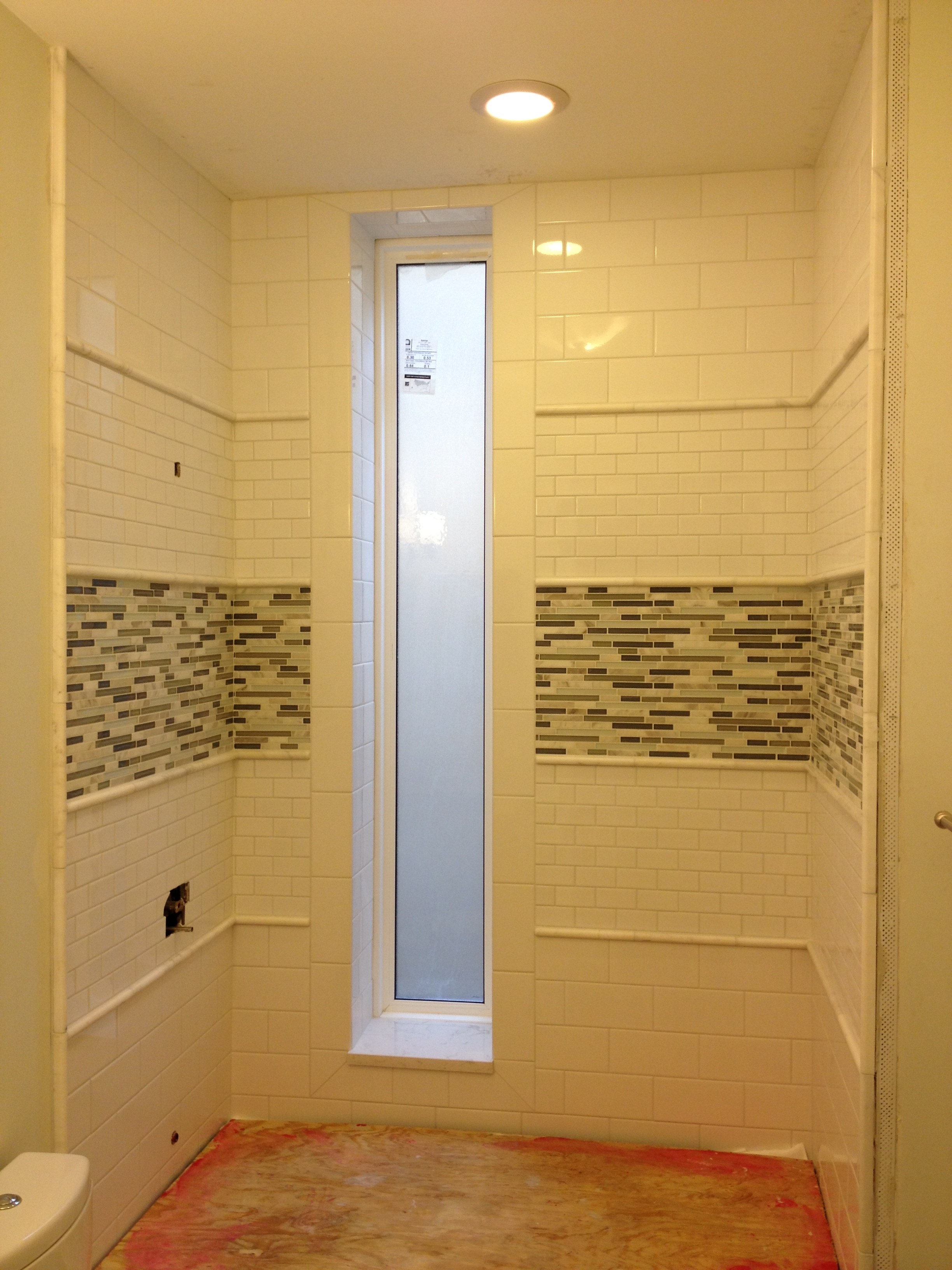
Stone Travertine
12x6 Travertine hand cut
Complete Steamer
Recommended by100%of homeowners
Structural Engineering questions, answered by experts

A structural engineer's report provides a professional assessment of a property's structural condition. It typically includes an evaluation of the foundation, key structural elements like roof trusses, floor joists, studs, beams, and rafters. The report will also contain a detailed description of the engineer's findings, often supported by photographs, and provide recommendations to correct any identified issues. Depending on the scope of the inspection, it might also include an assessment of property drainage, potential issues from environmental conditions like extreme weather or tree placement, and an estimated time and cost for any recommended repairs.

The depth of any foundation style depends on your climate and how deep the frost line is, as building code requires that the footers of a foundation—which are built into a monolithic slab—sit at least a foot below the frost line. At the southern tip of Florida, for example, a monolithic slab foundation would only need to sit 12 inches under the soil at the widest parts. On some parts of the Canadian border, the frost line is 100 inches, which would mean a minimum of 112 inches, which is prohibitively deep for a monolithic slab.

A 4-inch-thick concrete slab can support around 4,000 pounds per square foot if a contractor reinforces the slab with rebar, while that same slab without reinforcements will support closer to 1,000 pounds. For the purposes of a patio, 4 inches in thickness without reinforcement should suffice unless you’re installing heavy kitchen equipment or a hot tub on it. In those cases, reinforcing your slab and sticking with 4 inches of thickness should provide plenty of strength.

You should avoid drilling or cutting into load-bearing beams because removing material will weaken it and increase the risk of structural damage or even collapse. If you do need to drill into a load-bearing beam, speak with a structural engineer first to discuss where it’s safest to drill and the width and depth of the bit that’s safe to use.

Whether you’re building a new home or building an extension on your existing property, you will likely need both a structural engineer and an architect. A structural engineer will determine what loads your foundation and framing can safely handle, and an architect will draw plans according to those structural calculations to simplify the building process. You can start by contacting a structural engineer near you, as many work alongside architects and can get all of the prep work done at once.

The Zeigler, IL homeowners’ guide to structural engineering services

From average costs to expert advice, get all the answers you need to get your job done.

What do you need done? We’ll find top pros.
  • 🌱 "Mow a small front yard"
  • 🛠 "Fix a leaking pipe under the sink"
  • 🏠 "Repair shingles on an asphalt roof"