




Top-rated bird control service pros.

Get matched with top bird control service pros in Toledo, IL

Enter your zip and get matched with up to 5 pros

Need a pro for your bird control service project in Toledo, IL?

Select your specific project to find the pro for you.

Find Bird control service pros in Toledo

Avatar for Terminix® Pest Control
Terminix® Pest Control
4.0(
1
)

Serving Toledo, IL and surrounding areas

Approved

In business since 1927

Free estimates

Warranties offered

"Very knowledgeable guy who seem to know what he’s doing. Don’t know results of spraying. Have had much rain since. Will have to see if it worked. Terminex will spray again the beginning of next month."
My jobs
My jobs
My jobs
My jobs
My jobs

+2

32 neighbors recently requested a quote
Bird Control questions, answered by experts

When woodpeckers start banging on your walls or roof, they are probably looking for insects to eat, storing nuts for winter, drilling a hole to make a nest, or communicating with other birds to establish territory or find a mate.

The size of the hole can help determine the reason for the pecking. Small irregular holes are a result of insect hunts. Acorn holes are more consistently sized and often fitted with a nut in the middle. Nest holes are large and have rounded edges. If the bird is pecking to mark its territory or attract a mate, it may leave dents rather than holes, and the noise will stop when the mating season starts in spring.

It can be difficult to know what type of animal is in your attic until you see it. But several clues can help you narrow down the suspects:

  • Sounds: Smaller animals like rats and mice make scurrying and tapping/gnawing sounds. Larger animals like raccoons and opossums make louder clambering noises. Also, note when animals are noisy: Squirrels are active during the day, while rats are busiest at night.

  • Droppings: Rats and mice leave small, rice-shaped droppings (the rat’s version is significantly larger). Bigger droppings belong to larger critters like raccoons. As long as you’re not squeamish, an image search can help you identify what you’re seeing in your attic.

When in doubt, take photos of damage or other evidence and show them to an experienced pest control pro.

Birds are often averse to certain strong scents. For instance, the odor of predator urine, such as that from foxes or hawks, can deter them. Similarly, birds may dislike the pungent aromas of garlic, onions, and chili peppers. Essential oils like peppermint, eucalyptus, and citrus can also be effective in keeping birds away. However, it's important to note that individual bird species might react differently to these scents, so it might require some experimentation to find the most effective repellent for your specific situation.

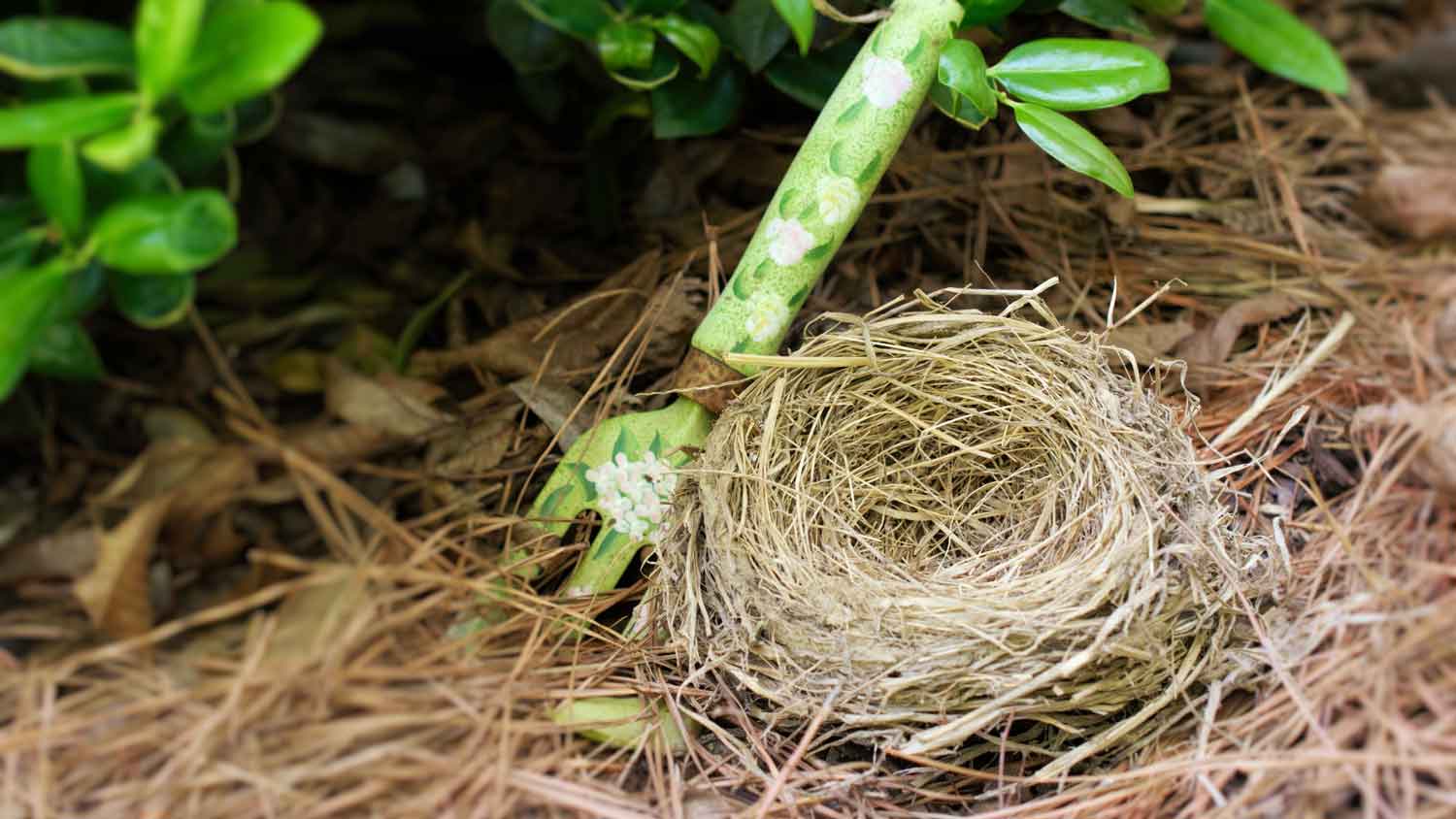
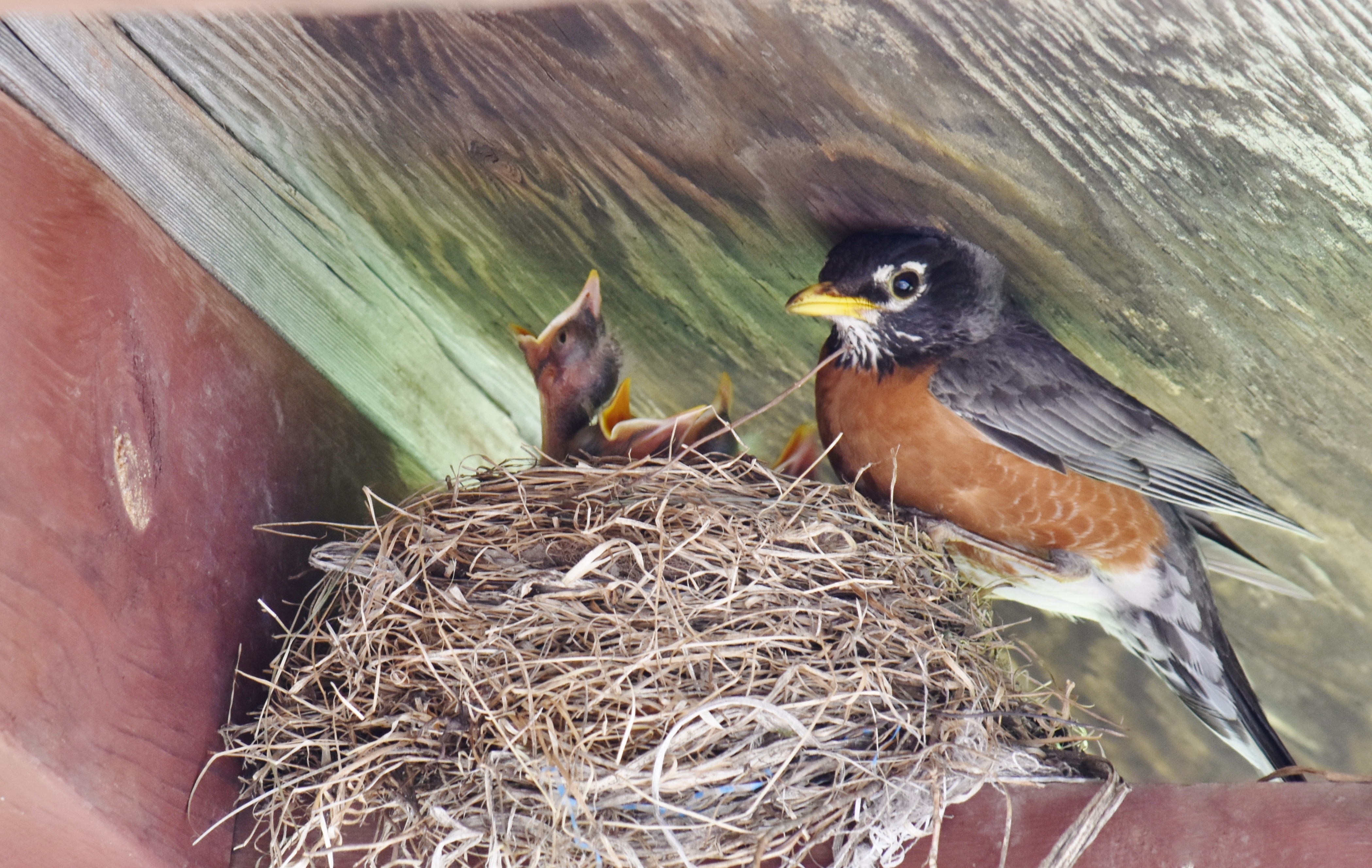
Metal coil-shaped retriever tools (around $50) help remove empty nests and debris from chimneys. Unless you are sure the nest is vacant, we recommend calling in a pro to handle bird’s nest removal from chimneys, vents, roofs, and other hard-to-reach places.

If a wild animal enters your yard, prioritize safety for yourself and the animal. Remember to avoid direct contact and always keep a safe distance. Contact local authorities or a wildlife rehabilitation center if the animal is hurt or in distress. Both sources should be able to guide you on how to proceed and send help if needed. Please wait for the animal to leave naturally for non-threatening situations, as many will. To deter future visits, implement measures like securing trash cans, sealing entry points, and removing potential food sources.

The Toledo, IL homeowners’ guide to bird control services

From average costs to expert advice, get all the answers you need to get your job done.