







Top-rated excavation pros.

Get matched with top excavation pros in Tamaroa, IL

Enter your zip and get matched with up to 5 pros

Need a pro for your excavation project in Tamaroa, IL?

Select your specific project to find the pro for you.

TRUSTED BY TAMAROA, IL HOMEOWNERS

  • Average homeowner rating star icon5
    Average homeowner rating
  • Verified reviews icon13
    Verified excavation services reviews

Find Excavation pros in Tamaroa

Avatar for AB excavation
AB excavation
New to Angi

Serving Tamaroa, IL and surrounding areas

Approved

Free estimates

Small jobs welcome

Credit card accepted

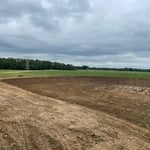
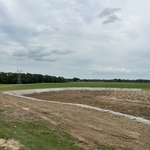
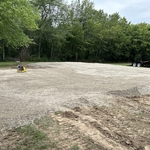
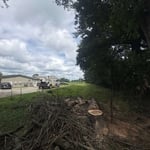
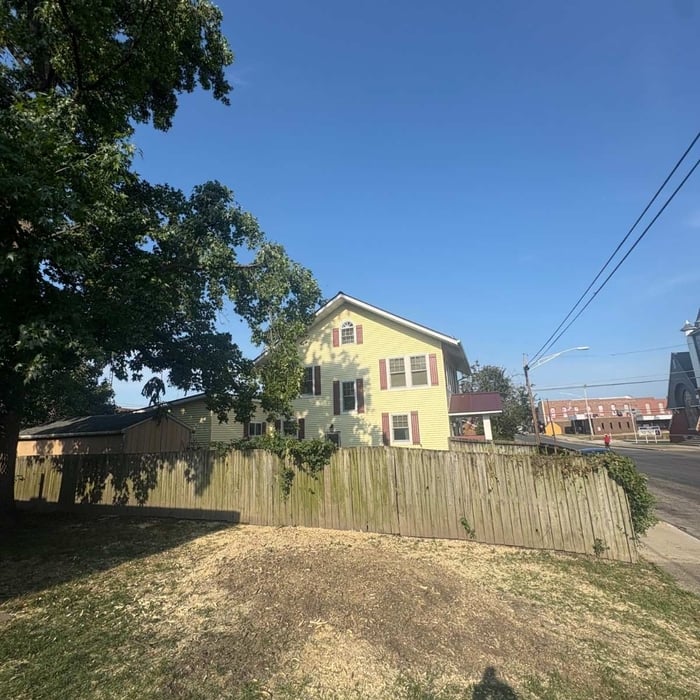
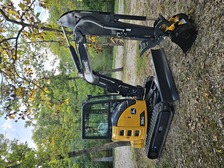
AB Excavation is a locally owned and operated excavation and land clearing company based in Highland, Illinois.\nWe specialize in land clearing, grading, and site preparation for residential and small commercial projects. Our work includes Fences, small lot clearing, new home site prep, demolition and haul-off, pond and water feature excavation, and culvert installation.\n\nWe take pride in doing the job right the first time, showing up when we say we will, and communicating clearly with our customers from start to finish. Whether it’s clearing property, prepping a build site, or handling drainage work, we focus on quality workmanship, efficiency, and fair pricing.\n\nWe serve Highland and the surrounding areas and work closely with homeowners, builders, and property owners to get projects completed safely and on schedule.

TNT Turnover Services
New to Angi

Serving Tamaroa, IL and surrounding areas

Approved

TNT Turnover Services isn’t just remodeling spaces—we’re transforming them.\n\nWe take outdated, worn, or underperforming areas and turn them into clean, modern, high-impact spaces built to impress and made to last. From kitchens and bathrooms to full property turnovers, our work is driven by precision, quality craftsmanship, and attention to every detail.\n\nAt TNT Turnover Services, we don’t believe in shortcuts—we believe in results. We bring reliability, speed, and professionalism to every project, delivering a smooth, hassle-free experience from start to finish. On time. On budget. Done right.\n\nWhether you’re upgrading your home or preparing a property for its next chapter, we’re here to raise the standard and exceed expectations.

1 neighbors recently requested a quote
Avatar for RW Construction
RW Construction
4.7(
21
)

Serving Tamaroa, IL and surrounding areas

In business since 2018

Free estimates

Offers commercial services

"RW Construction turned my driveway from a sloppy mess to something I can drive on again. Excellent service - fast, courteous, and professional!"
Response time1 day
Response rate93%
Recommended by95%of homeowners
...
Showing 1-10 of 54
Excavating questions, answered by experts

Hard soil could be a sign of overly dry dirt, either from poor drainage or drought. It's important to test the nutrient levels, density, and drainage capacity of your soil to see if it's absorbing water properly. Begin by adding a light layer of water and observing how long the soil retains moisture. If you experience a good deal of runoff, you may need to aerate your lawn, apply a wetting agent, or hire a professional for a closer look.

The best method for digging a trench depends on the scope of the project. For a short, shallow trench (less than 2 feet deep) in light, soft soil, digging by hand may be sufficient. However, digging by hand is labor-intensive, so consider the effort required. A machine trencher is the better option for longer trenches (over 100 feet), deeper ones, or when dealing with difficult soil conditions, such as rocky or hard ground, or obstructions like tree roots. A machine can save significant time and energy in these situations.

Trenches are typically 12 to 24 inches deep and 8 inches wide. However, the required depth depends on the specific project and local ordinances. For example, a French drain may need to be 18 inches deep, while a water pipe might require a depth of 24 inches and a drainage pipe 36 inches. Your city or county may have specific regulations, so it's wise to consult with an excavation professional to determine the correct depth for your project.

As a general rule, the protected area should be about 1½ times as wide as the canopy of the tree’s leaves. This digging measurement can vary by tree species and the age of the tree. Of course, that can be a lot of fencing for larger trees, which is why our first step is about making difficult decisions on which trees to save.

How deep your septic system needs to be into the ground depends on several factors. In extremely cold environments, the tank needs to rest below the maximum frost line, which can be up to six or eight feet deep. The standard burying depth for most systems is between a few inches and four feet below ground level. Depth can also depend on the slope of the landscaping and other property variables. 

The Tamaroa, IL homeowners’ guide to excavation services

From average costs to expert advice, get all the answers you need to get your job done.