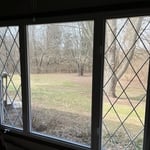
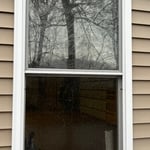
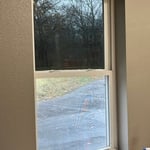
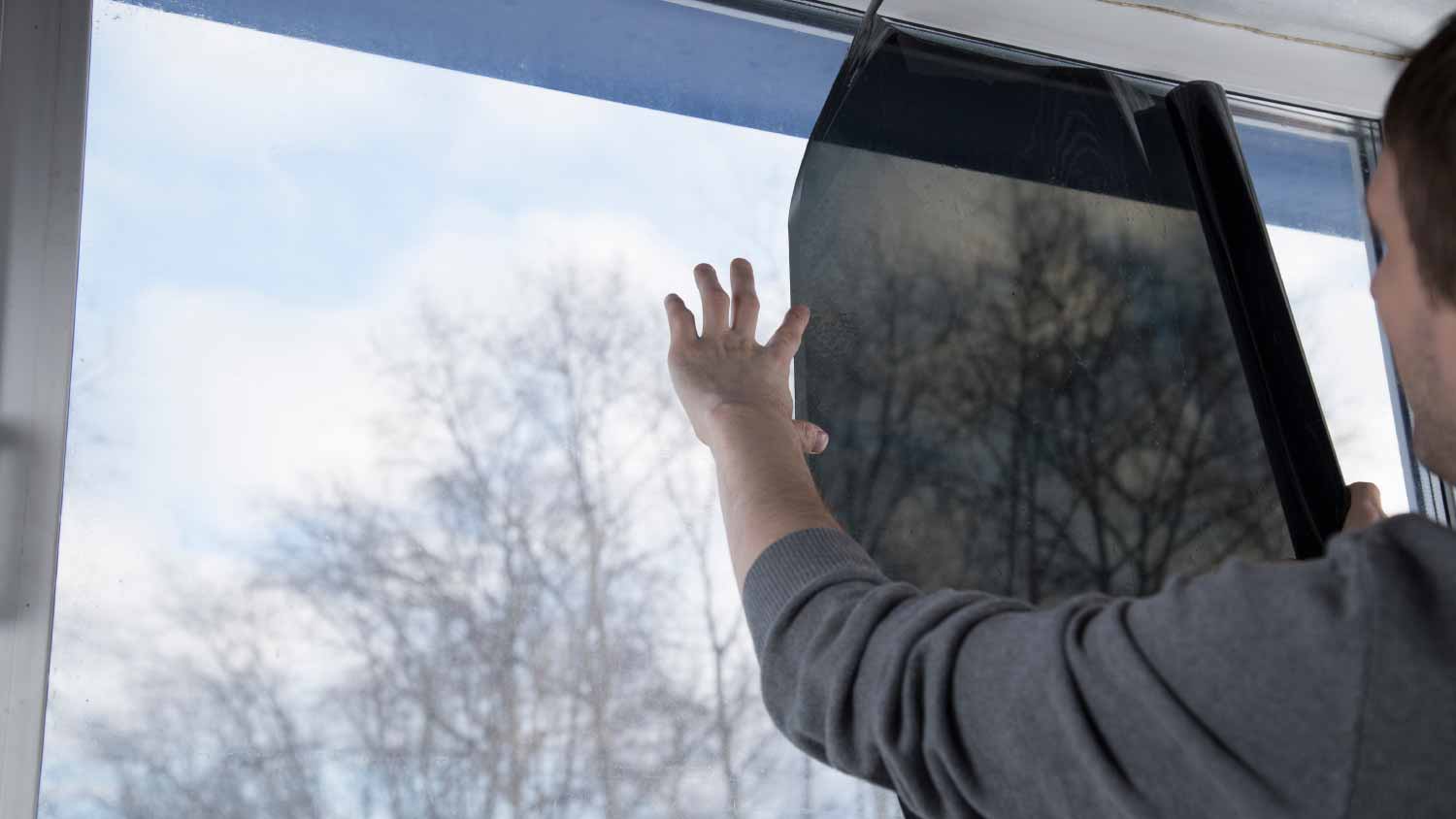
"I appreciated that a sales representative came to my to see the project, measure, and explain the process. The technician that applied the film was very exact, and when he wasn't satisfied with the application, he removed the film and reapplied a new film."
"Sales process was good, courteous and helpful. Installation instructions were easy to follow. Did have a small issue with one sensor which was easily solved with a call. Control panel is easy to use and well constructed. Phone app is the best part. Not a big fan of a 2 year contract and the monthly rate feels a little high, but definitely a decent system. I had emailed them a question pertaining installing on double hung windows and never received a reply, but other than that their phone support prior to that was good."
"My husband noticed we had a hole in our roof earlier in the week. He was out of town for the week and did not have a chance to call anyone before he left. Today it was raining and started to leak into the family room. I called Mike and he was here within the hour. It was fixed within an hour at a reasonable rate. Will definitely be using him again. Very professional and personable. Thank you so much for solving my problem. "
Applying window security film yourself is possible, but we don’t recommend it. This task is simple in theory, but getting the product to sit on your windows evenly and without bubbles underneath is challenging for DIYers who lack the necessary experience and tools. You might save money on labor by applying it yourself, but you might also end up with a film that doesn’t look appealing, prompting you to start over and spend the money on a professional installation anyway. Plus, most window film manufacturers will void your warranty if you install the product yourself.
Costs depend on window size, film quality, UV protection level, and installation complexity.
Your homeowners insurance provider may decrease your premium if you improve the security of your home with window security film. You can contact your insurer to determine whether there will be a change in cost after applying this addition. If there is a decrease in your homeowners insurance premium or deductible, it will likely only be available if your window film is installed by a professional window film installer.
Tinted window films for houses are usually made from a micro-thin sheet of thermoplastic resin called polyethylene terephthalate (PET) that offers the strength and flexibility needed when fitting film to a window. Homeowners looking for a solution that insulates a window without blocking light from a home should investigate low-e glass vs. window film.
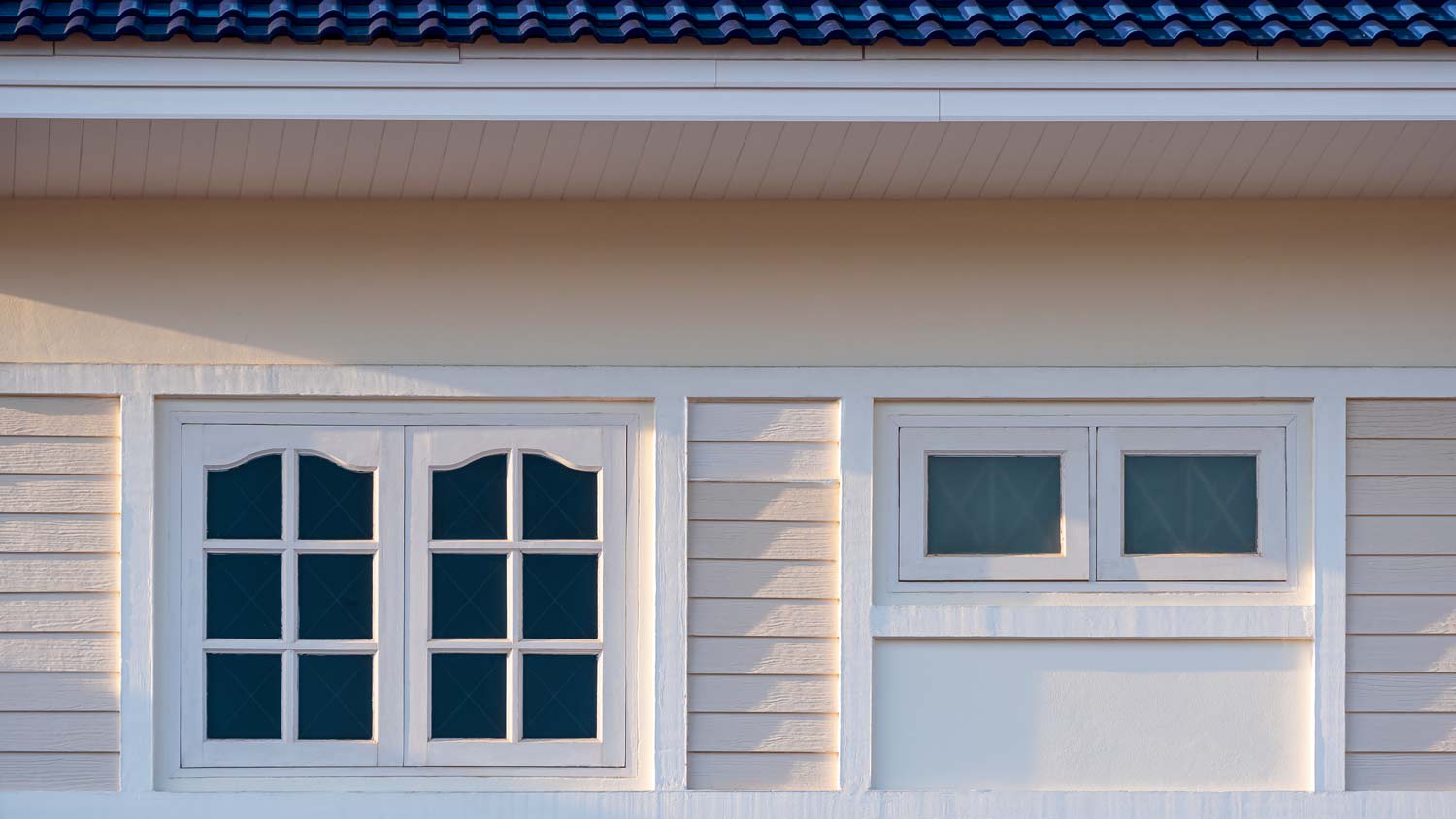
A common way to modernize arched windows is to install interior window treatments that allow light through the curved portion up to and let you cover the bottom portion for privacy. You can also install plantation shutters to make an arched window look more modern. From the exterior, arched windows can appear outdated if they’re coupled with ornate trim, so toning down the decor can make your window look more natural with a modern design.
The Sterling, IL homeowners’ guide to window tinting services
From average costs to expert advice, get all the answers you need to get your job done.
Tinting your home’s windows can add privacy, increase energy efficiency, and block damaging UV rays. Find out who tints home windows so you can hire the best.