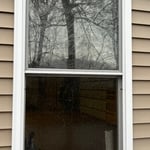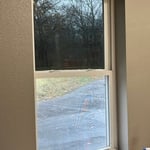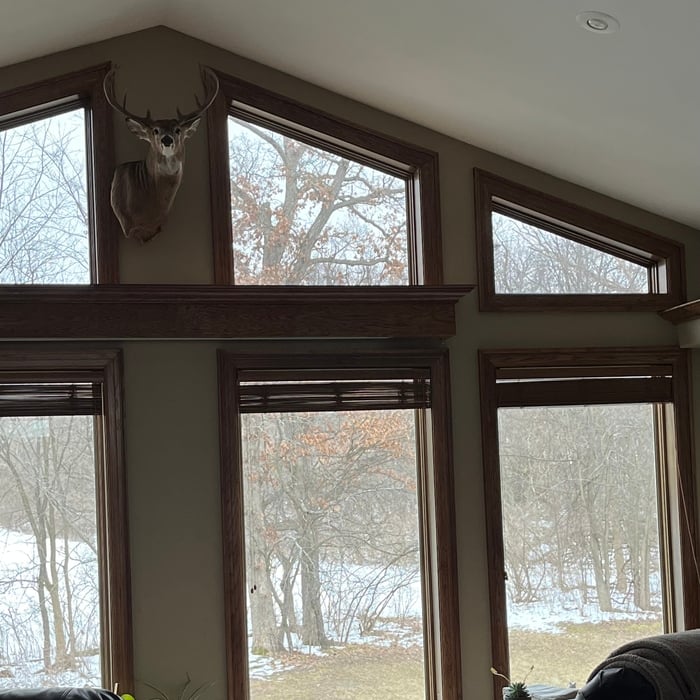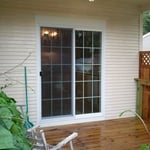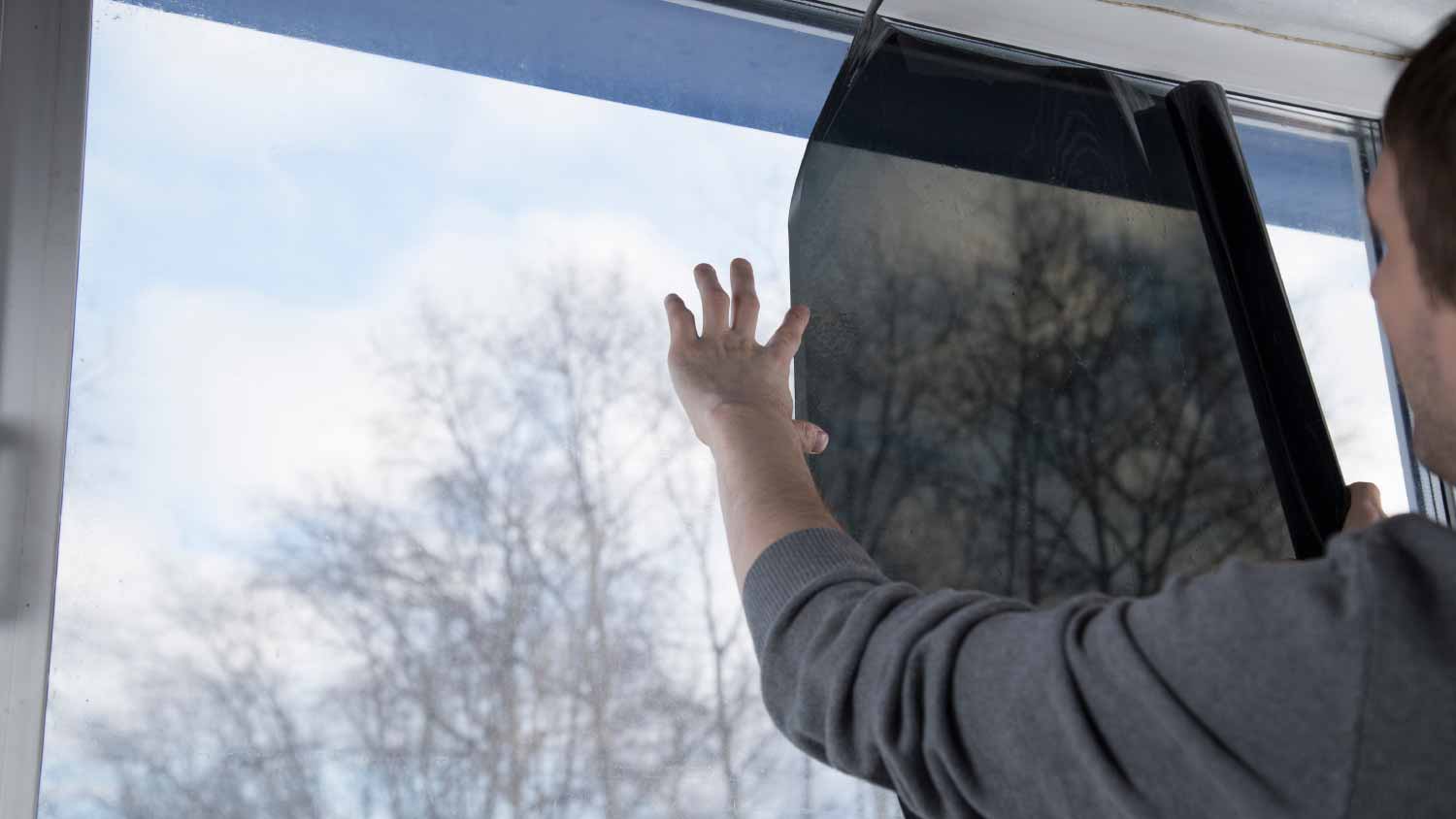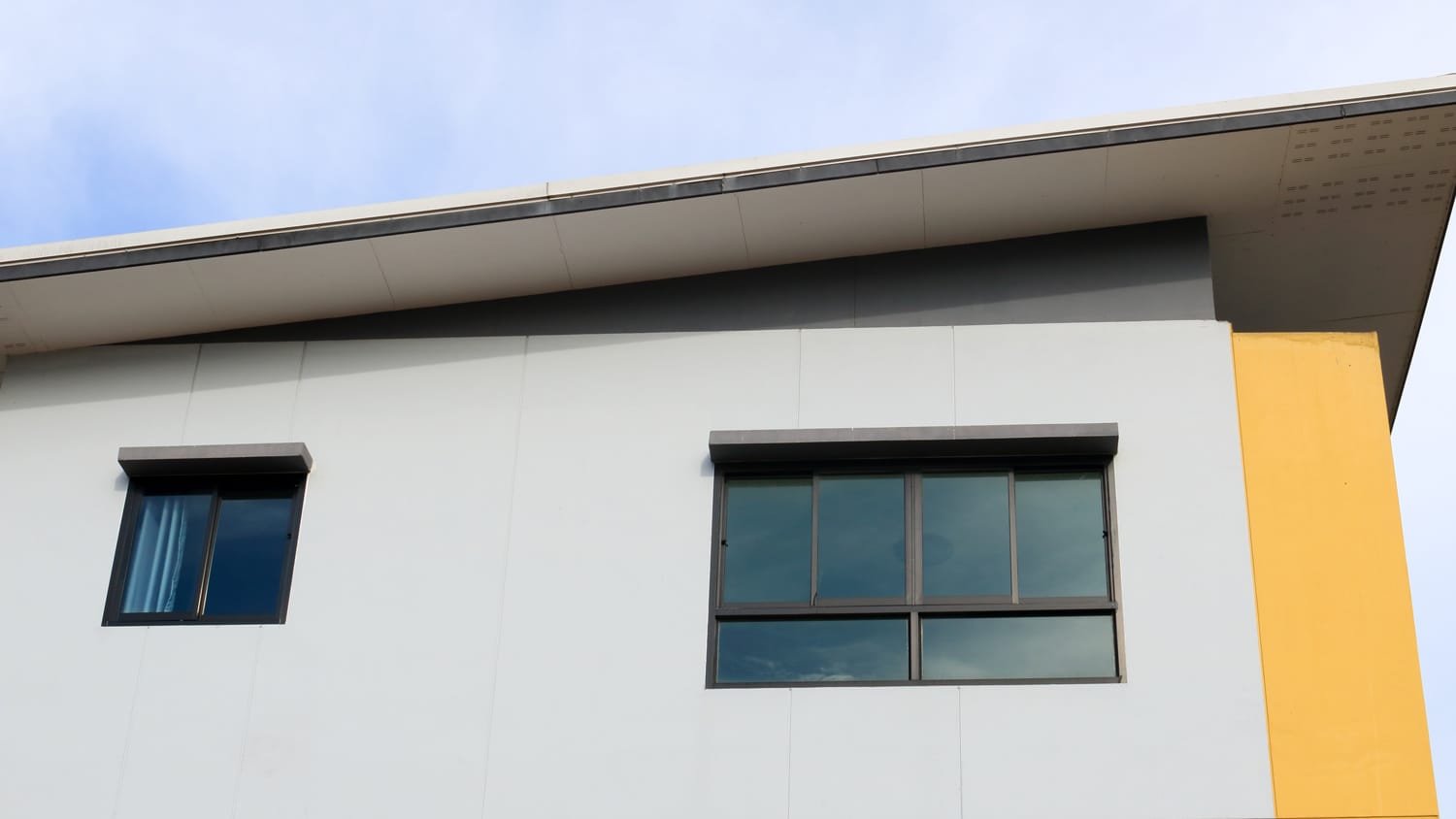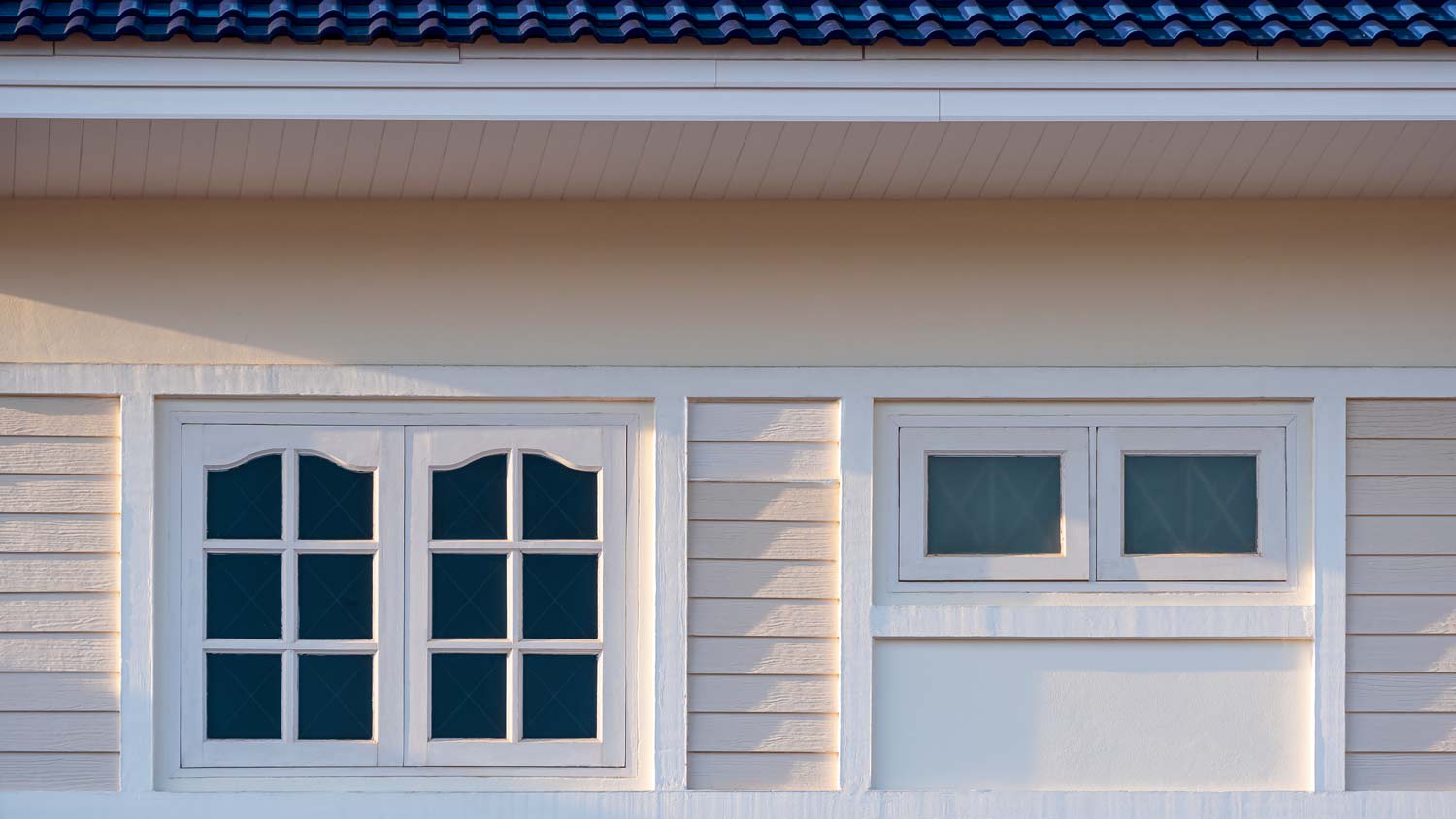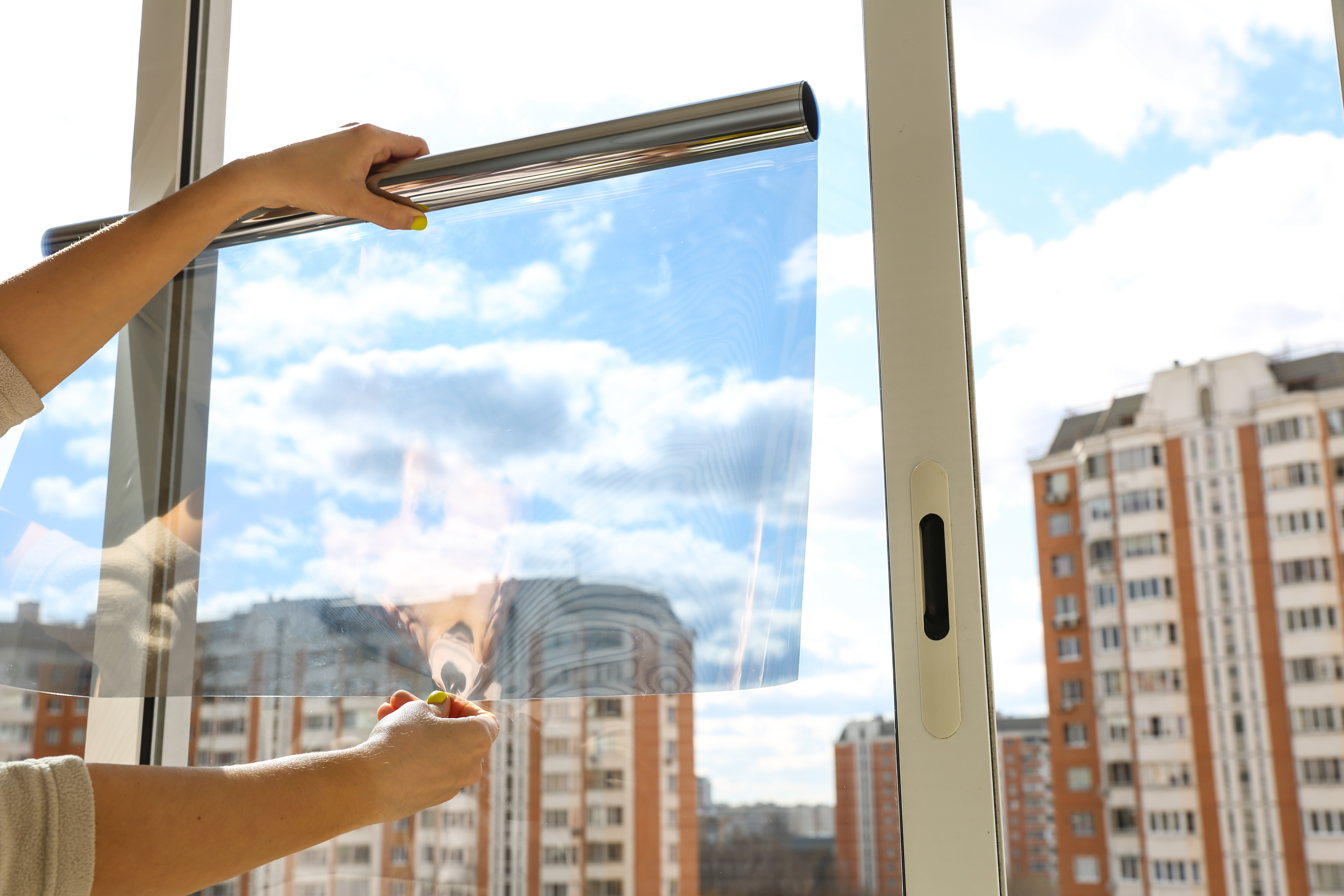

"I appreciated that a sales representative came to my to see the project, measure, and explain the process. The technician that applied the film was very exact, and when he wasn't satisfied with the application, he removed the film and reapplied a new film."
"Sales process was good, courteous and helpful. Installation instructions were easy to follow. Did have a small issue with one sensor which was easily solved with a call. Control panel is easy to use and well constructed. Phone app is the best part. Not a big fan of a 2 year contract and the monthly rate feels a little high, but definitely a decent system. I had emailed them a question pertaining installing on double hung windows and never received a reply, but other than that their phone support prior to that was good."
"My husband noticed we had a hole in our roof earlier in the week. He was out of town for the week and did not have a chance to call anyone before he left. Today it was raining and started to leak into the family room. I called Mike and he was here within the hour. It was fixed within an hour at a reasonable rate. Will definitely be using him again. Very professional and personable. Thank you so much for solving my problem. "
The ideal thickness of window film depends on various factors and specific needs. Thicker films generally offer increased durability and enhanced security benefits. They are also typically more effective at reducing heat and blocking UV rays. However, thinner options may be preferable for some applications, such as decorative or privacy films. Thinner films are easier to apply and provide adequate privacy without compromising visibility. Ultimately, the best thickness of window film will depend on your specific requirements, desired benefits, and the recommendations of professional installers.
Do not use Windex or any glass cleaner when applying window film. These products contain ammonia, which will damage the film. Instead, use the application solution provided with the installation kit. If there is no solution, make your own using 1 teaspoon of baby shampoo and a gallon of bottled water.
Tinted window films for houses are usually made from a micro-thin sheet of thermoplastic resin called polyethylene terephthalate (PET) that offers the strength and flexibility needed when fitting film to a window. Homeowners looking for a solution that insulates a window without blocking light from a home should investigate low-e glass vs. window film.
A lace curtain may block some of the biggest insects from entering while still allowing a breeze to get through. If your concern is privacy, then curtains and blinds will provide better privacy than window screens; for UV protection, you can choose specialty windows or UV-blocking film. And if you just want an inexpensive, temporary solution, there are adhesive or magnetic screen panels you can install for an hour, a day, or a season.
The costs range from $5 to $15 per square foot, depending on the film type, UV protection level, and labor.
The Rock Falls, IL homeowners’ guide to window tinting services
From average costs to expert advice, get all the answers you need to get your job done.
Can I tint my house windows? Home window tinting is a small upgrade that can yield major benefits. Here’s everything you need to know before taking the plunge.