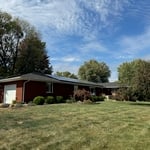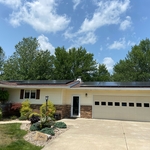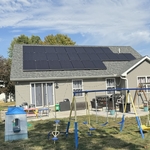


"Needed a sub panel and my entire garage wired(7 120 outlets, 2 240 outlets, and a floodlight put in). They showed up gave a quick run threw and they knocked it out Whole process was quick and easy. Great work at a great price! Would definitely recommend!"
"James with ETX Solutions, was very responsive to my inquiry and promptly answered every question I had. He is very knowledgeable about Solar and very professional. James explained all the tax credits and financial benefits of switching to Solar. I feel Solar energy is the smartest way to go, and James is the right person to get you set up and on your way!"
"Rardins has merged with Mattex Plumbing, but Oscar Rardin is still with them. Very professional, both over the phone and kept me updated through texts on the phone. Showed up as promised and was done within 3 hours. Only real difference was in how prices have inflated since 2014 (last time pump was replaced) $1400 vs $500 The pump accounted for over $1200 of that total. Oscar did a excellent job!"
Yes, it is possible to install solar panels on a tar and gravel roof, but it is not the ideal roofing material for a solar installation. The process requires roof penetrations to install the solar racking system. While installers will seal these penetrations, they still increase the risk of leaks. This risk is higher on tar and gravel roofs, which are often flat. Flat roofs are more prone to leaks than sloped roofs because they can pool water during heavy rain and hold snow for longer periods, exposing the roof to more moisture.
Yes, you have to get on the roof to cut a hole for solar tubing. It's not possible to complete the job from inside your house by simply cutting through the ceiling. So if you want to go the DIY route, remember to use safe ladder practices. If you’re not comfortable climbing on your roof to install solar tubes, hire a pro who has the tools and expertise to do the job safely.
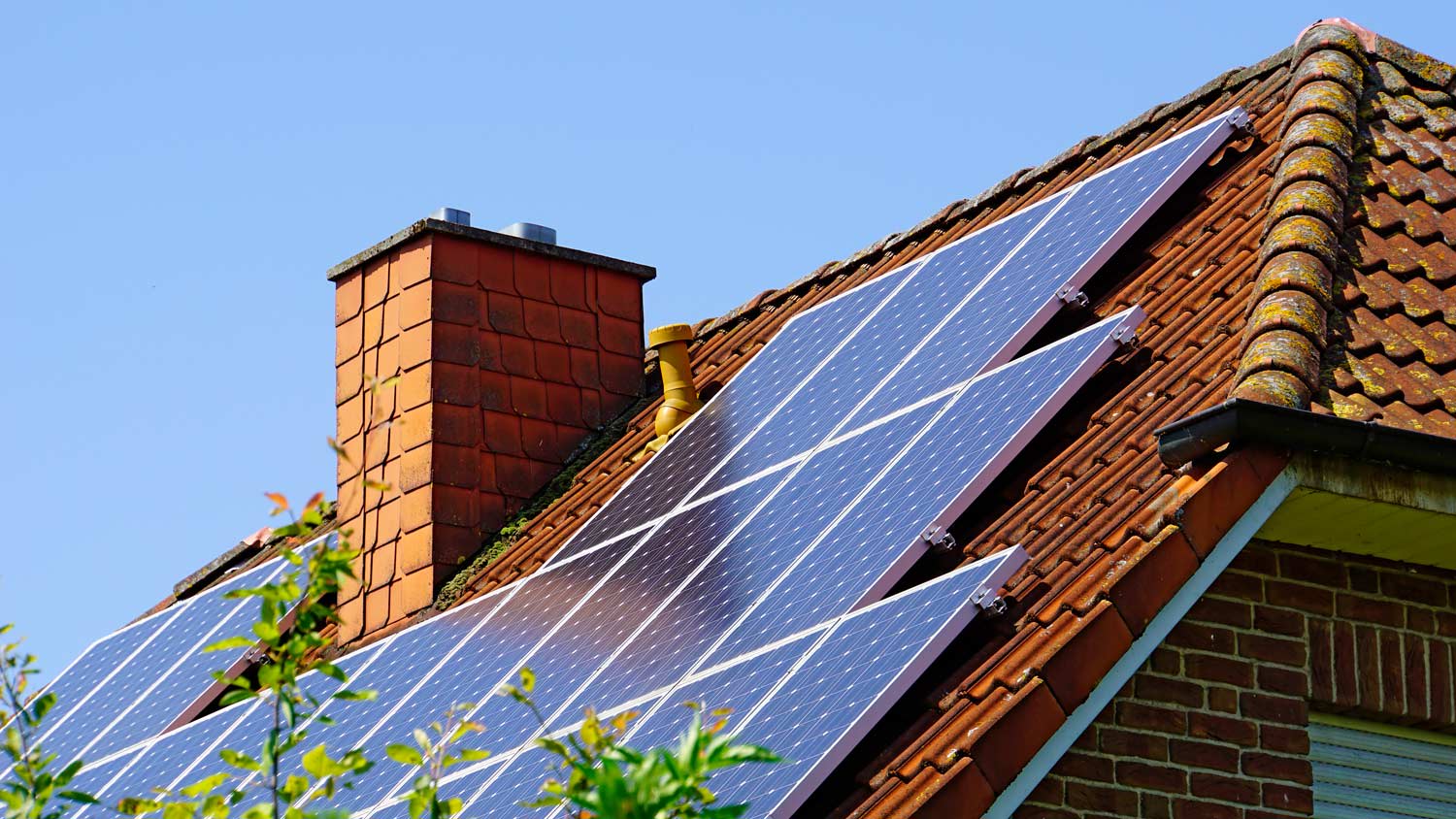
Yes, solar panel installation will require permits. The required permits will depend on where you live, as some states and cities have solar-specific permits, while others only require electrical permits to connect to the grid. In either case, it’s best to hire a reputable solar installer in your area, as a representative should handle all of the necessary permitting for you and will include the cost of the permits in your initial solar estimate.
Although solar panels harness the sun's power, they come at an environmental cost. The manufacturing process requires large amounts of water and involves hazardous materials like cadmium, silicon, and gallium arsenide. These materials don’t pose safety hazards while the panels are in use but can pose a problem when left in landfills. Over time, hazardous materials can leach into the environment. This is why recycling solar panels whenever possible is better than taking them to landfills.
You shouldn’t hook up a solar panel directly to a battery. That can damage the solar battery and your appliances over time. Instead, install a charge controller between your solar panel and solar battery. Charge controllers regulate voltage, prevent overcharging, and minimize the amount of electrical current to protect your battery from voltage spikes.
The Red Bud, IL homeowners’ guide to solar panel services
From average costs to expert advice, get all the answers you need to get your job done.
Solar panel costs in St. Louis, MO, vary based on the system size, panel type, and wattage you need. Learn about solar panel installation costs in St. Louis so you can budget with ease.
There are a few factors to consider when it comes to solar panel repair costs. This guide breaks down the prices of solar panel removal, repair, and replacement.
Residential solar panel dimensions can vary slightly from brand to brand, but this guide can help you understand the basics and choose the best option.
Solar panels are low-maintenance but occasionally require some elbow grease. This guide will help you learn how often solar panel maintenance is required.