

Top-rated weed maintenance pros.

Get matched with top weed maintenance pros in Millstadt, IL

Enter your zip and get matched with up to 5 pros

Need a pro for your weed maintenance project in Millstadt, IL?

Select your specific project to find the pro for you.

TRUSTED BY MILLSTADT, IL HOMEOWNERS

  • Average homeowner rating star icon4.3
    Average homeowner rating
  • Verified reviews icon192
    Verified weed maintenance services reviews

Find Weed maintenance pros in Millstadt

No results for Weed maintenance pro in

Try adjusting your search criteria.
Weed Services questions, answered by experts

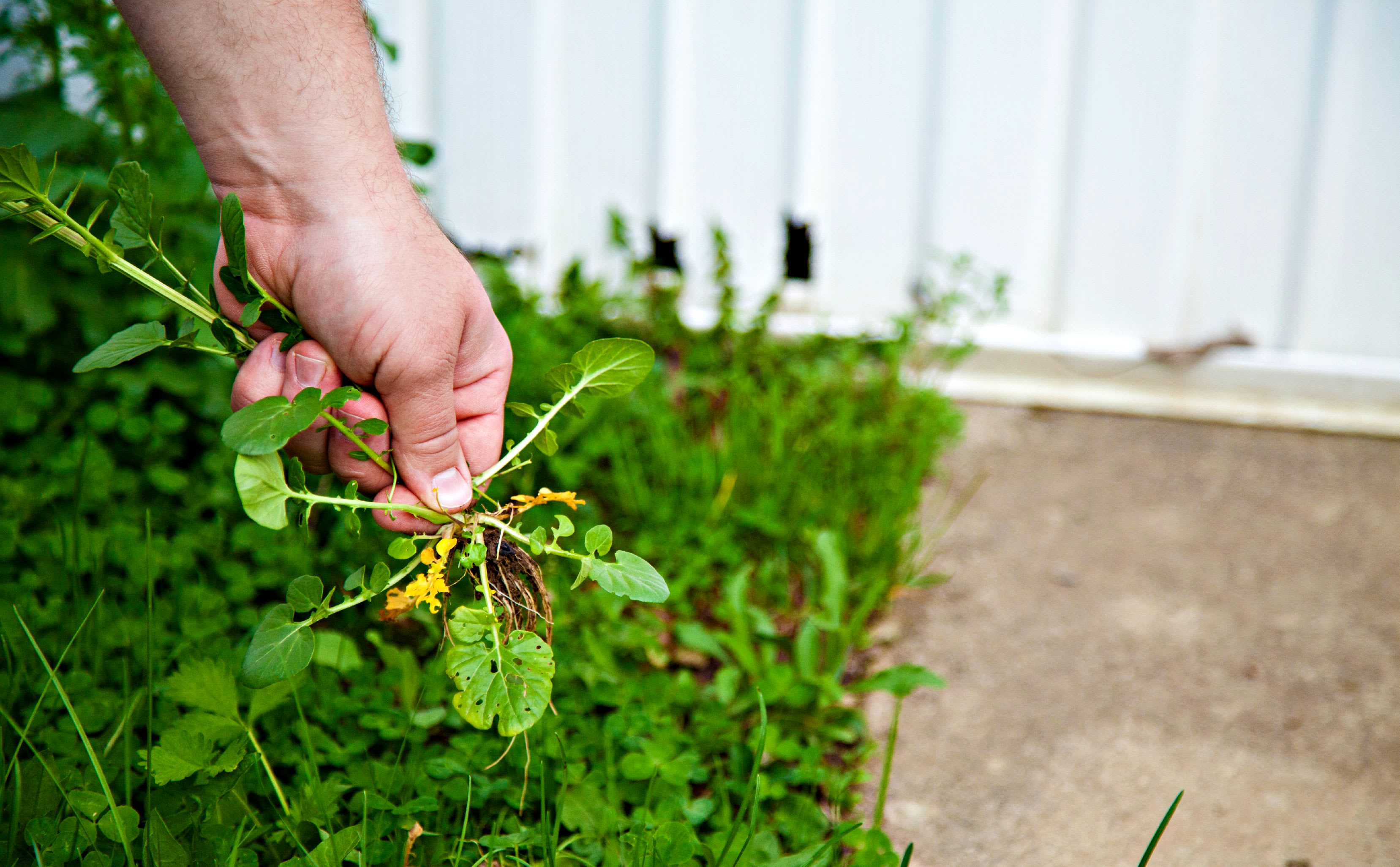
A spot herbicide for weed control is effective at killing crabgrass and not grass, but it depends on the type of herbicide. Always check the label to ensure that your herbicide is safe for grass but tough on crabgrass. Overall, spot treatment is ideal because it puts fewer herbicides into the soil, which can damage the soil. If you’re wanting a natural remedy to crabgrass that also won’t harm surrounding grass, you can also hand-remove crabgrass or even pour boiling water or 5% vinegar over crabgrass as a spot treatment.

It usually takes between two weeks and a month for weeds to fully die off after you spray them with herbicide, but they will start to wilt within the first week. Different weed sprays produce different results, with some working more quickly and effectively than others. Similarly, some weeds are killed more easily than others. Consult your weed removal pro for an exact timeline based on their weed removal method.

Yes, suggesting companion planting and mulching to minimize new growth.

Johnsongrass and crabgrass are invasive weeds that can overtake your lawn. Crabgrass is a low-growing grass most often seen in lawns, flower beds, and vegetable gardens. While you may find Johnsongrass growing in your lawn, it will also grow in pastures, crop fields, and the edge of the road. Johnsongrass is much coarser than crabgrass. If left alone, Johnsongrass can grow up to 8 feet tall. 

Poison oak is similar to poison ivy in that it's in the same family of plants. Poison oak is identifiable by its rounded-off leaves and hairy leaf texture. Tree-climbing varieties live primarily in western states while low-growing poison oak bushes occupy the eastern states. Treat poison oak like poison ivy to get rid of it permanently.

The Millstadt, IL homeowners’ guide to weed maintenance services

From average costs to expert advice, get all the answers you need to get your job done.