







Top-rated energy efficiency auditors.

Get matched with top energy efficiency auditors in Mapleton, IL

Enter your zip and get matched with up to 5 pros

Need a pro for your energy efficiency auditing project in Mapleton, IL?

Select your specific project to find the pro for you.

Find Energy efficiency auditors in Mapleton

Energy Efficiency Auditing questions, answered by experts

Depending on the level of audit you choose, a home energy audit will at least include a walk-through of the home to determine visible inefficiencies, but may include testing and a highly detailed inspection and report laying out the home’s inefficiencies and providing recommendations to fix those issues. The audit may also include a review of utility bills and mechanical testing. Consult your home energy auditor about the types of services they provide before hiring.

Not all homes are suited for solar panel systems. Older roofs or those in poor condition may need repairs or replacement before solar panels can be installed. Some other factors to consider are the amount of sunlight your roof receives, the roof’s orientation and pitch, and any shading from nearby trees or buildings.

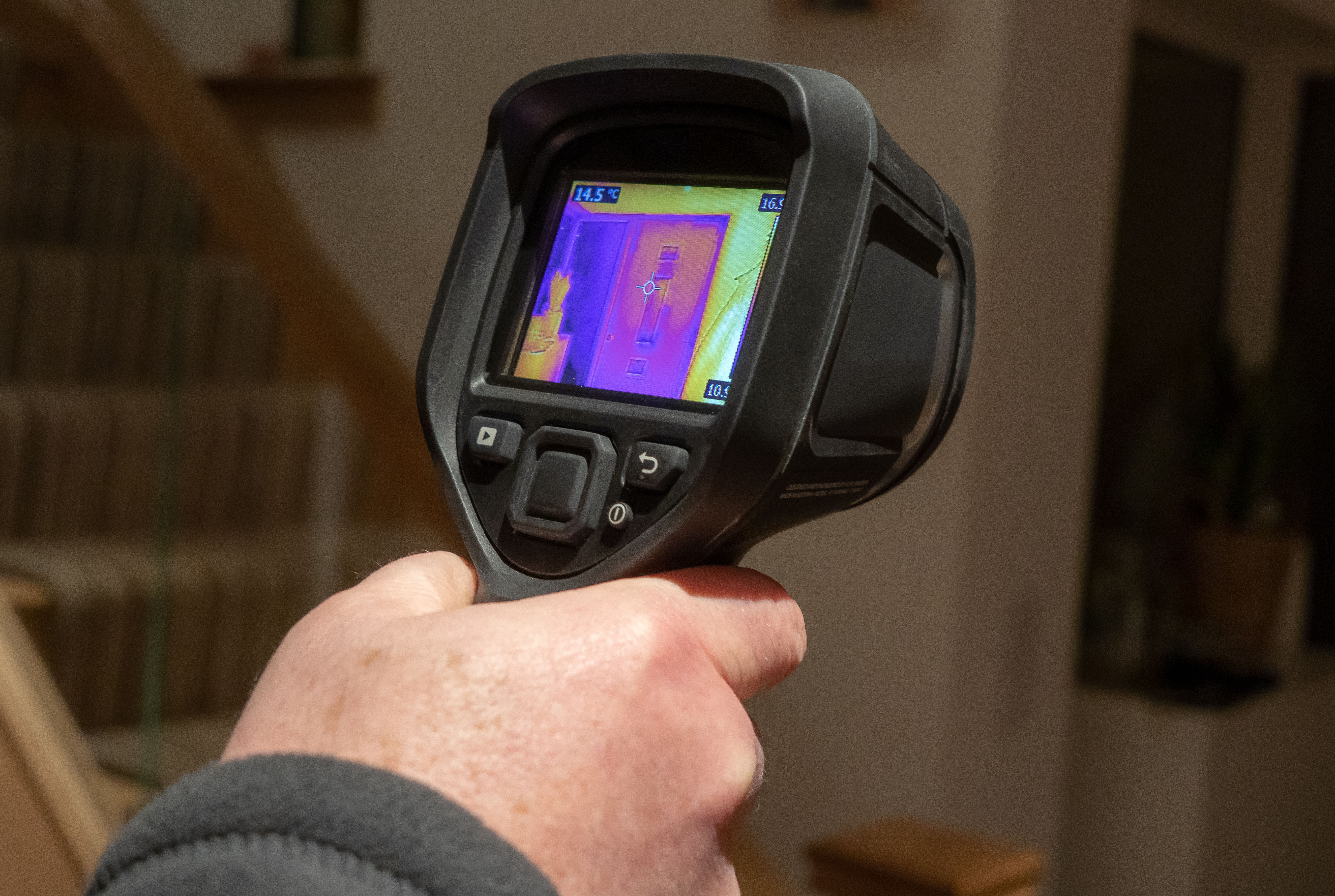
A blower door test shouldn’t take more than an hour, and most can be completed in less than 30 minutes. Expect the test to take longer once you start searching for leaks with thermal imaging or want to include sealing such leaks in the time estimate. The test doesn’t take much time and can’t be rushed, but it will take longer in large homes or those with many air leaks.

Yes, mini-split or ductless AC systems add value to a home and do not devalue it. They are an attractive feature for potential buyers, especially in older homes without existing ductwork, as they provide a practical air conditioning solution without the significant expense and hassle of installing traditional ducts. Ductless systems also eliminate issues associated with conventional ductwork, such as noise and the potential for pests. Furthermore, homeowners value energy-efficient solutions, and mini-splits offer high efficiency for both heating and cooling, plus zoned temperature control. This leads to lower energy consumption and reduced electric bills, which is a major selling point.

R-value measures an insulation material's thermal resistance, indicating its ability to resist heat transfer. A higher R-value signifies better insulation performance because the material is more effective at slowing heat flow. The R-value depends on the type, thickness, and density of the insulation material, such as fiberglass, foam, or cellulose. Each inch of insulation typically provides an R-value between 3 and 8. There is no single universal R-value; the optimal choice depends on your climate zone. Colder climates require a much higher R-value than warmer ones to maintain energy efficiency, keep the home warm in winter and cool in summer, and manage costs.

The Mapleton, IL homeowners’ guide to energy efficiency auditing services

From average costs to expert advice, get all the answers you need to get your job done.