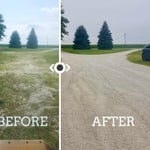
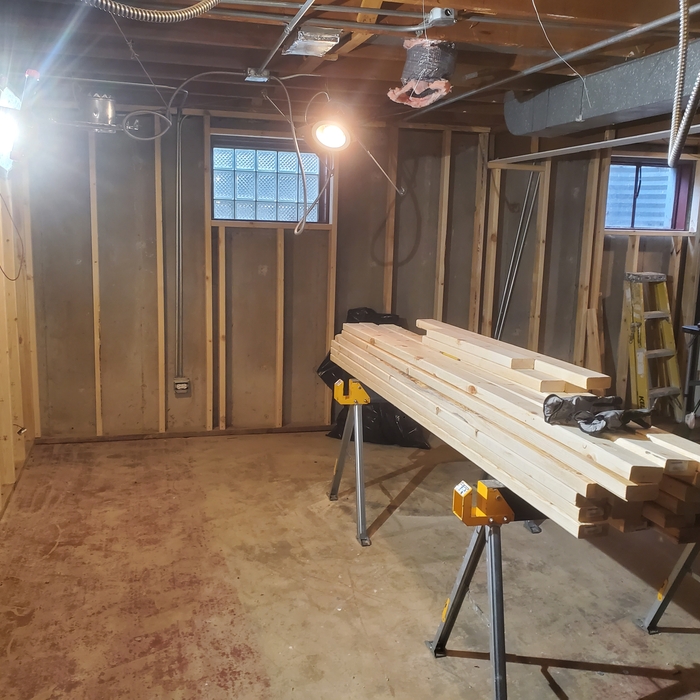
"Dylan was great to work with. I am very pleased with the job he did. I will probably have him come back next year to do more. Super friendly. Very professional."
Rockhard Construction is committed to excellence in every aspect of our business. We uphold a standard of integrity bound by fairness, honesty, and personal responsibility. Our distinction is the quality of service we bring to our customers. Accurate knowledge of our trade combined with ability is what makes us true professionals. Above all, we are watchful of our customers' interests, and make their concerns the basis of our business.
"Harold and team did an awesome job!! The quality is top notch!! Their price was really good and very competitive and the work comes with a 5 year warranty!"
" All went perfect! The price was slightly higher than a couple quotes I had, but the other guys didn't explain much of anything & seemed impatient about answering questions I had. Now, my roof looks great & since it's properly ventilated, my new shingles will last longer! Mike & his crew did a great job & were wonderful people to get to know. I am very greatful Mike & his crew were willing to drive from Moline, IL to Wilton, IA to do work for me. Talk about going the distance for your customer! Mike was on the job from start to finish. He came to give me an estimate & spent about an hour explaining what he was going to do and what the different products were that I asked about to use. I also asked for his opinion, which he gave & explained why. He was very patient in answering all the questions I had and never acted like he was in a hurry to leave. I am greatful he took the time to explain things to my understanding & satifaction without making me feel rushed. I was also impressed to learn that not only do the shingles have a great warranty on them, but Mike has an 8 yr. warrenty on his work as well! While doing the job, Mike & his crew worked well together & were quick, yet they paid attention to details. I was especially impressed when I looked out my window a few times, and saw that the guys that smoked would put their cigs. out & disposed of them in the trash & not all over my yard! Thanks guys! When the job was finished, Mike went around my home to double check everything to make sure that everything was cleaned up & finished correctly. My yard was as clean when they left as it was before they started! He made sure they got every nail they could find & every little scrap of paper, plastic, shingle, etc. that they could find. They also took extra precautions to check my driveway when ever I left or came home to make sure I didn't get nails in my tires. Job Very Well Done Guys! Any time I talked with Mike or his crew they were always polite & they were very friendly. Mike is a very respectable man & I would trust to hire him again in a heartbeat! I have some projects in the future I plan to do, & will definatly be calling him when I'm ready to do them. Thanks again, Mike! "
"It was one if the most stress free experiences I've had since being a property owner. I will use them for all my properties an refer them to all my friends. Thanks so much Maid Simple."
The cost to replace a driveway ranges from $8 to $15 per square foot, depending on factors that include material, size, and labor. If your driveway has deep cracks, potholes, or drainage issues (or if it’s simply past its prime), replacement might be the smarter investment over constant repairs. Resurfacing can be a cheaper alternative at $3 to $20 per square foot, but it won’t fix your driveway’s underlying problems.
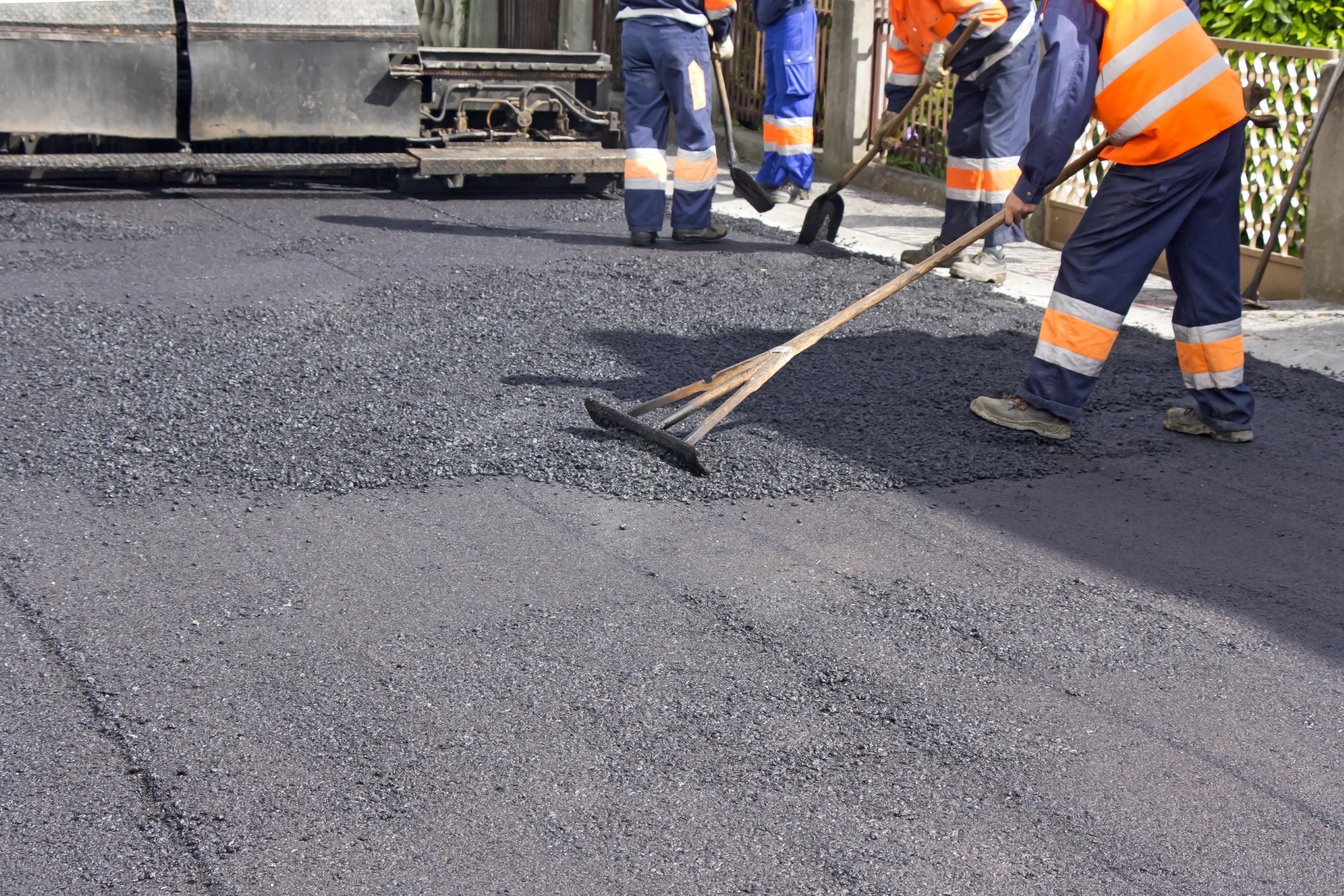
A solid driveway starts with the right asphalt mix, and for most homes, dense-graded hot mix asphalt (HMA) is the most recommended. It’s both durable and flexible, making it a reliable choice for residential use. A properly compacted 2-3 inch layer on a well-prepared crushed stone base will hold up for years. In areas with harsh winters or scorching summers, a slightly modified mix can help prevent cracking and rutting. No matter the climate, quality installation is just as important as the material itself, so hiring an experienced contractor ensures a smooth, long-lasting driveway built to last.
There’s no single best asphalt grade—it all comes down to where and how it’s used. Highways and heavy-traffic roads need something tough, like polymer-modified asphalt (PMA) or Stone Matrix Asphalt (SMA). Local roads and parking lots rely on the Performance Graded (PG) system, chosen based on climate. A PG 64-28 mix, for example, handles a broad temperature range while simpler, more cost-effective mixes are typically enough for residential driveways. The best grade of asphalt depends on traffic, weather, and your budget, which is why a professional’s input is always a smart move before making a decision.
Yes, it is possible to pave over an existing driveway, but whether it's the right choice depends on several factors. If the underlying structure of your current driveway is still strong, concrete or asphalt resurfacing can be a cost-effective way to prolong its life. However, if your driveway has significant issues like potholes, deep cracks, or other inconsistencies, it is best to remove the old driveway and start from scratch. Key factors to consider include the current driveway's condition, the compatibility of the new material, the added thickness and height, and the necessary surface preparation.
The average cost of 1,500 square feet of asphalt ranges from about $10,500 to $22,500, depending on location, thickness, base material, and how accessible the job site is to crews and equipment. Keep in mind that your asphalt material cost may vary depending on its type, ranging from porous asphalt to heated blacktop. Standard asphalt costs $7 to $13 per square foot.
The De Pue, IL homeowners’ guide to asphalt driveway services
From average costs to expert advice, get all the answers you need to get your job done.
Adding a new asphalt driveway to your home can boost its overall appearance and give homeowners a nice ROI down the line. But how long do asphalt driveways last, and what can you do to maximize their lifespans? Read this guide to find out.