Top-rated landscapers.

Get matched with top landscapers in Albion, IL

Enter your zip and get matched with up to 5 pros

Need a pro for your landscaping project in Albion, IL?

Select your specific project to find the pro for you.

Find Landscapers in Albion

Highline Excavation
New to Angi
Landscape - Minor Grading or ReslopingLandscape - Soil, Sand, Mulch and Rock Delivery

Serving Albion, IL and surrounding areas

Approved

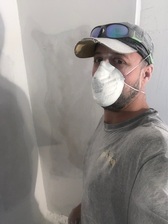
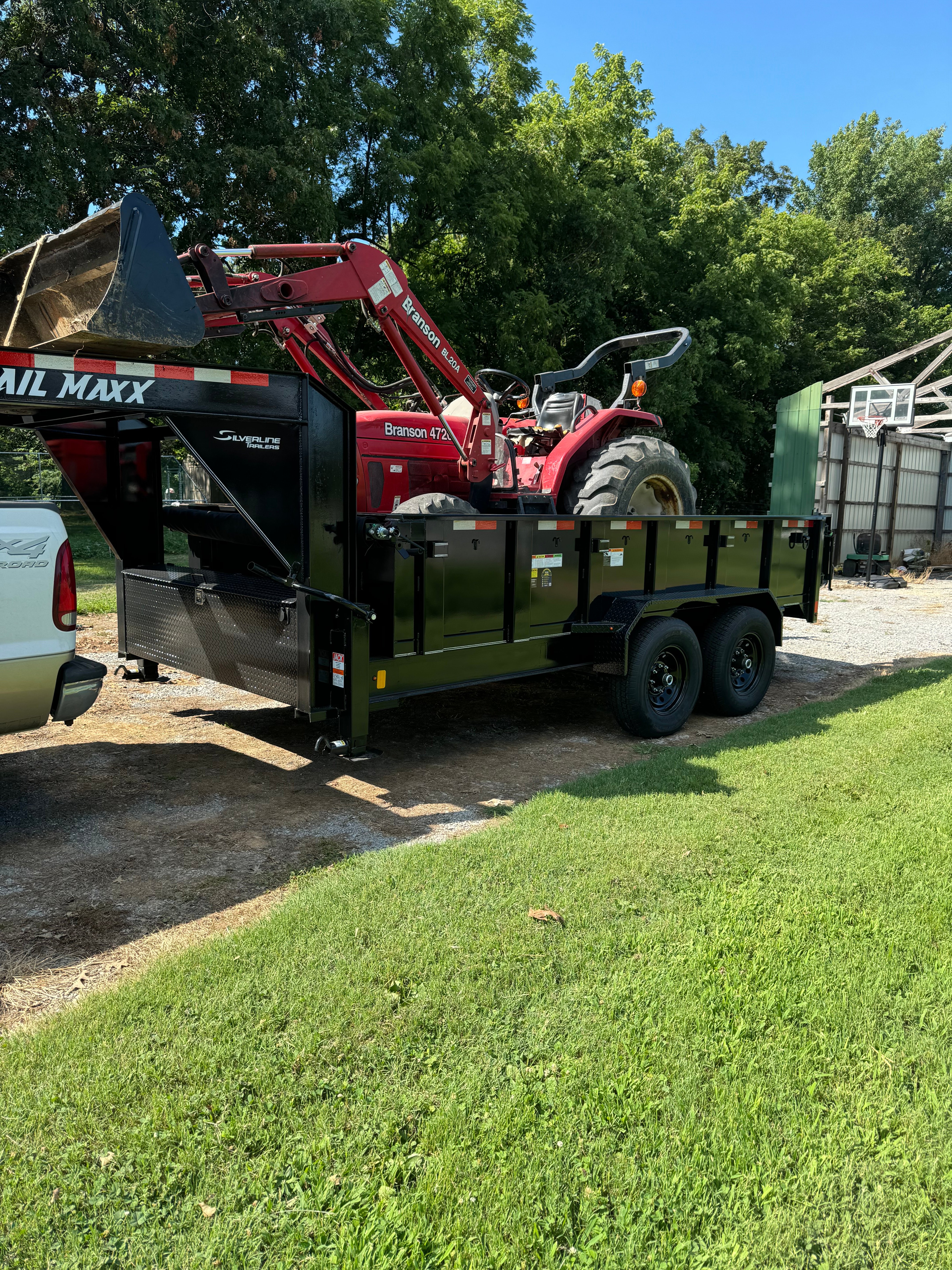
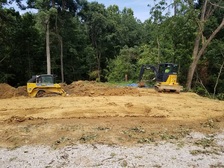
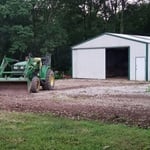
Hi, I'm Isaiah, owner of Highline Excavation. I provide dependable excavation services throughout Owensboro, Bowling Green, Henderson, Evansville, and the surrounding areas. Whether you need a building pad, grading/sloping, trenching, gravel driveway installation or repair, land clearing, small demolition, or junk removal, I show up on time, work hard, and treat every job like it's my own property. If you're looking for honest work, fair pricing, and someone who takes pride in doing the job right the first time, I'd love the opportunity to earn your business. Reach out for a free estimate!\n

1 neighbors recently requested a quote
Rooted Lawncare
5.0(
10
)
Lawn Care - Maintain and Mow a LawnLawn & Yard Waste Clean Up

Serving Albion, IL and surrounding areas

In business since 2025

Free estimates

Credit card accepted

"Rooted Lawncare not only did a fabulous job of making my yard look good, they made me feel like I matter. They were so kind and affordable, not to mention pet friendly when it came to pest control. I can't recommend them enough, I'll be a customer for life!"
Response time6 hrs
Response rate100%
1 neighbors recently requested a quote
...
Showing 1-10 of 91
Landscaping questions, answered by experts

The average cost for landscaping is around $3,500, but prices can range from as low as $200 for simple DIY projects to $14,000 or more for extensive work. Several factors influence the final price, including your geographic location, yard size, project scope, chosen materials, site preparation, and the type of landscaping involved. Professional landscaper labor costs typically range from $50 to $100 per hour.

For a smaller budget, you can focus on softscaping projects like adding mulch, flowers, and shrubs, which might only cost a few hundred dollars if you do the work yourself. A budget of around $5,000 could cover projects like a simple patio, new plants and tree trimming, or a water feature. More extensive hardscaping projects, such as pergolas, patios, and walkways, can push the budget to $14,000 or more. For example, a flower bed installation averages between $800 and $3,000, while landscape lighting installation can cost from $2,000 to $6,000.


Yes, weeds can still grow in decomposed granite. If properly compacted, it can act as a good weed suppressant, meaning you’ll only pull weeds occasionally. But no ground cover is completely weed-proof. To further prevent weeds, you can try spraying your decomposed granite with distilled white vinegar.
The primary disadvantages of xeriscaping are the high upfront cost and the significant labor required to establish it. A xeriscaping project can cost between $3,000 and $24,000 on average. Additionally, the resulting landscape will have less of a traditional green appearance, which may not appeal to everyone's personal taste and could potentially narrow your pool of buyers if you decide to sell your home. However, despite these initial drawbacks, the long-term benefits include saving water, time, and money on lawn maintenance.

If you’re hiring a landscaper to plant the garden of your dreams, you do not need to provide them with plants that you bought yourself from a nursery. While you certainly can provide your landscaper with plants, keep in mind that some nurseries provide discounts to landscaping companies, therefore potentially lowering your materials cost. Beyond the cost of the plants themselves, you need to have additional materials like topsoil and mulch for the project. Most likely, your landscaper can get a discount on these materials as well, so it’s worth speaking with them before making any large purchases.

The best time to plant a privet hedge is autumn, ideally October or early November. Fall is the best time to plant privet hedges because young plants need plenty of water to jump-start their growth, and it typically rains more during this season. However, you can also successfully plant privets in the spring.

The Albion, IL homeowners’ guide to landscaping services

From average costs to expert advice, get all the answers you need to get your job done.