Asbestos has many beneficial properties, including fire resistance, strength, and chemical resistance. It is also an excellent insulator, which is why it was used in pipe insulation and other building materials for decades. For all its benefits, asbestos is dangerous for human health, which is why it was eventually banned from use in certain products.
If asbestos is found, it is crucial to consult with a professional. They will provide recommendations for appropriate abatement actions, which may include safe removal, containment, sealing, or enclosure. All actions must be planned and executed in accordance with local regulations for handling asbestos.
Asbestos was most commonly produced and integrated into building products from the 1920s to the late 1980s. In reality, asbestos use should have ceased much sooner because asbestos was linked to cancer in studies produced as early as the 1950s. You can even extend that number past the 1980s due to stockpiled materials and because some countries treat asbestos use differently. It may also be found more in commercial applications than residential.
In the event of suspected or confirmed asbestos contamination on the body, it is imperative to take immediate measures to reduce health risks. To avoid further exposure, carefully remove contaminated clothing and shower thoroughly to remove any asbestos fibers. Seek prompt medical attention, and inform your healthcare professional about your suspected asbestos exposure. Since asbestos-related health issues can take years to surface, regular medical check-ups are advised for anyone with a history of exposure.
If you can locate building records, you may be able simply to see what type of tiles (or bonding agent) was used. Any flooring made between 1950 and 1989 more than likely contains asbestos. Asbestos tiles can also be slightly thicker than other tiles and often measure 9” x 9”, 12” x 12”, and 18” x 18. Black mastic was a commonly used adhesive that contains asbestos.
The Terreton, ID homeowners’ guide to percolation testing services
From average costs to expert advice, get all the answers you need to get your job done.
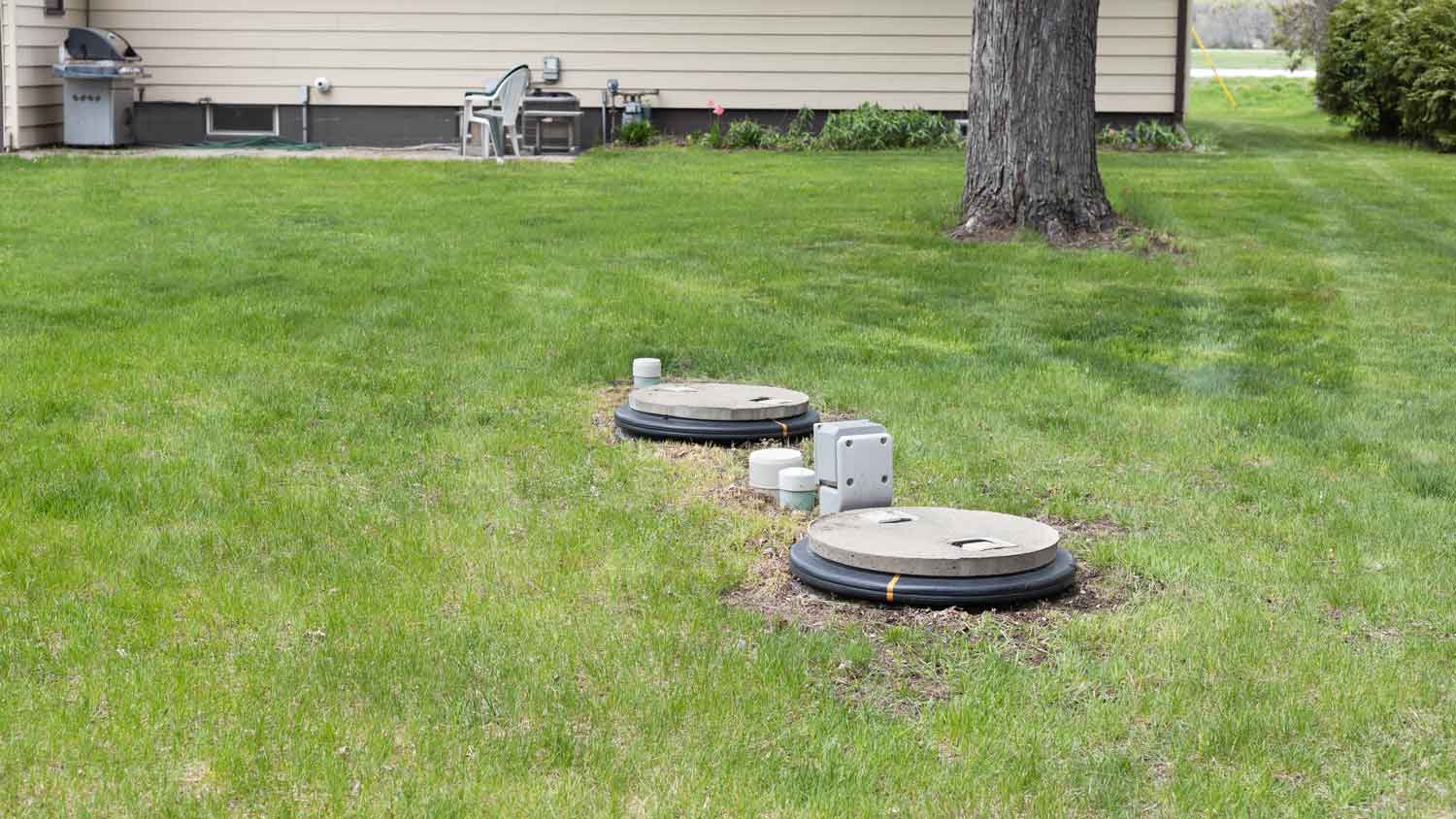
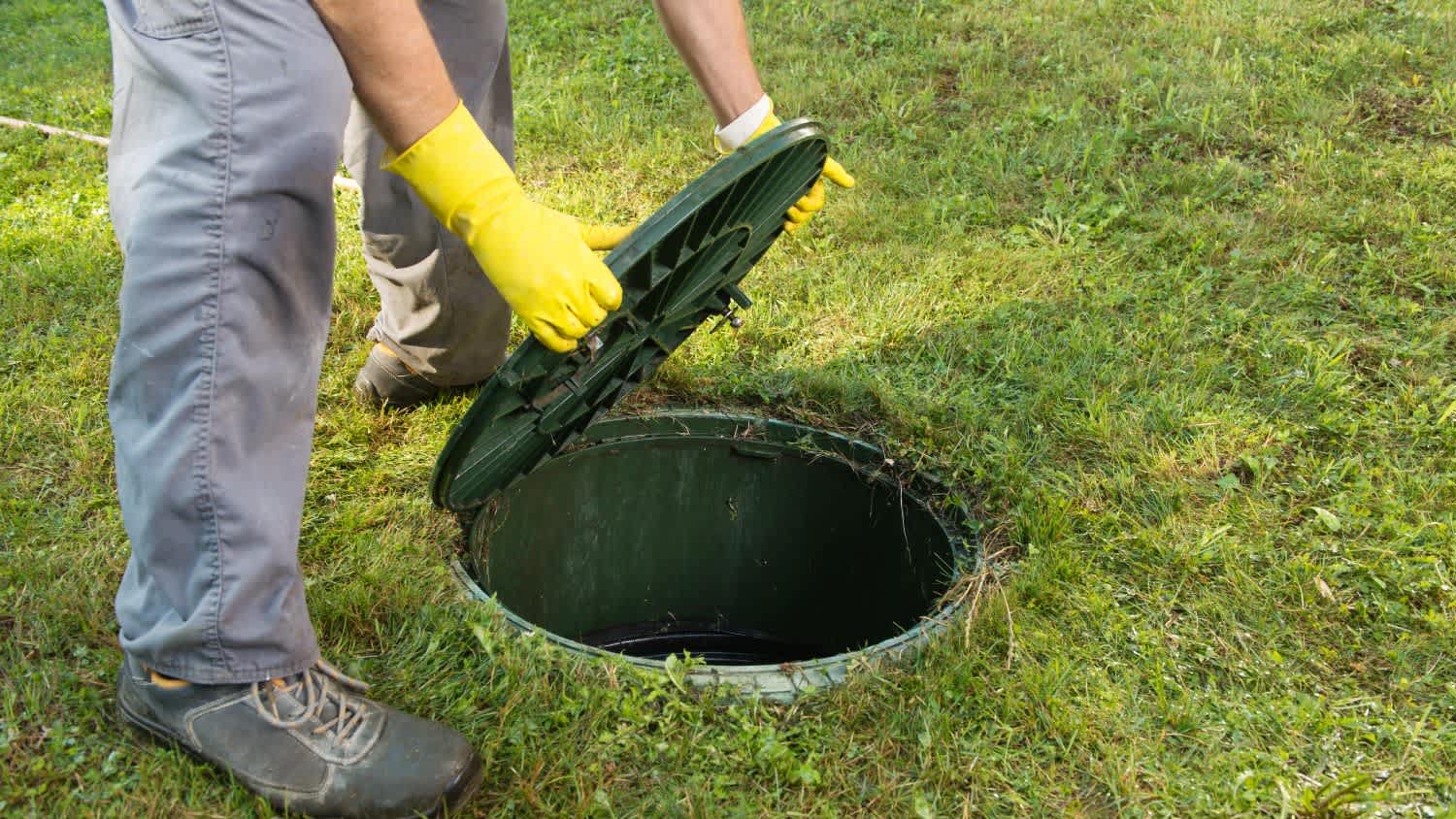
Most building projects and septic installations require soil testing to ensure proper drainage. Learn how much a perc test costs and what affects costs.
A perc test for septic analyzes the absorption rate of the soil where a tank is going to be installed. Learn more about the test, cost, and passing grades.