



Top-rated tree service pros.

Get matched with top tree service pros in Richfield, ID

Enter your zip and get matched with up to 5 pros

Need a pro for your tree service project in Richfield, ID?

Select your specific project to find the pro for you.

Find Tree service pros in Richfield

Avatar for HardscapePlus LLC
HardscapePlus LLC
4.8(
13
)
Tree Removal

Serving Richfield, ID and surrounding areas

Approved

In business since 2023

Free estimates

Emergency services offered

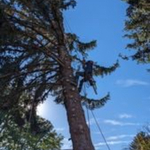
"We hired Hardscape Plus to cut down a large tree that had split from a storm. The tree was next to a highway that possibly would have fallen into it. Hardscape came out quickly and did an excellent job all the while giving an affordable price! I highly recommend them!"
Response time12 hrs
5 neighbors recently requested a quote

Recommended by58%of homeowners
Showing 1-10 of 30
Tree Service questions, answered by experts

Trees should be pruned every two to five years, depending on its age and type. Young trees should be inspected and pruned every two to three years. Mature trees should be inspected and trimmed every three to five years, and fruit trees should be pruned annually with a careful eye on seasonal growth. Evergreens typically don’t need pruning, unless branches or limbs are damaged, diseased, or harboring pests.

White vinegar does not kill ivy on trees because its acetic acid concentration is not high enough to overpower it. Vinegar is an effective herbicide for weeds and other plants, but not for the strength of most ivies, including poison ivy and English ivy. You should use an herbicide to kill ivy, such as one with glyphosate, imazapyr, or triclopyr.

A grafted tree is a tree grown by combining two trees. It takes expertise. Branches from grafted trees don’t grow strong roots. Save yourself the time and frustration by having an arborist help you with this advanced project.  

You can often tell if a tree is grafted because it will have a noticeable line. Above the line, the bark will look different than it does below the line. It’s most common with fruit trees.

No, homeowners insurance typically does not cover the cost of removing a dead, sick, or rotting tree that is still standing. Insurance is designed to protect against sudden and unexpected accidents, whereas a tree dying or rotting over time is considered a maintenance issue. Coverage usually only applies after a tree has fallen and caused damage to your property.

The best time to cut down a tree is during its dormant season, typically in winter or early spring, after all the leaves have fallen. Removing a tree during this period is advantageous for several reasons. Frozen ground helps secure the tree stump, protects the surrounding landscape from damage, and reduces the risk of the tree falling in an unintended direction. With the leaves gone, there is less risk of the tree's foliage getting tangled with other trees. Additionally, since this is often a slower season for tree services, you may be able to hire a professional at a lower rate. This dormant period is also the best time for tree trimming.

The Richfield, ID homeowners’ guide to tree services

From average costs to expert advice, get all the answers you need to get your job done.