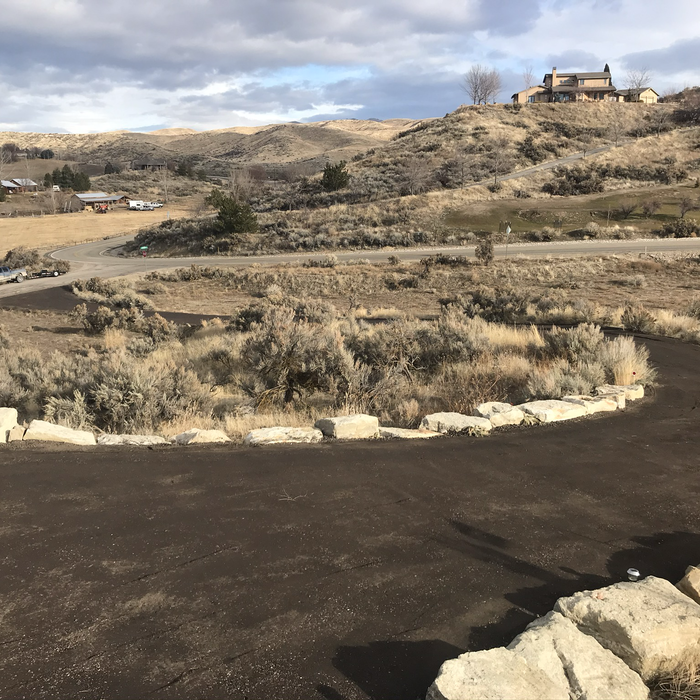

Top-rated driveway sealcoating pros.

Get matched with top driveway sealcoating pros in Greenleaf, ID

Enter your zip and get matched with up to 5 pros

Need a pro for your driveway sealcoating project in Greenleaf, ID?

Select your specific project to find the pro for you.

TRUSTED BY GREENLEAF, ID HOMEOWNERS

  • Average homeowner rating star icon4.5
    Average homeowner rating
  • Verified reviews icon79
    Verified driveway sealcoating reviews

Find Driveway sealcoating pros in Greenleaf

Avatar for DW Paving
DW Paving
5.0(
5
)
Asphalt SealingAsphalt Sealing- For Business

Serving Greenleaf, ID and surrounding areas

Approved

In business since 2018

Free estimates

Emergency services offered

"David was flexible with our needs and came in with a great bid. The team did very good work and met our schedule. I was very happy with the work and would use DW Paving again."
1
2
3
4
5

+145

Response time4 hrs
Response rate92%
Recommended by100%of homeowners
Showing 1-10 of 19
Driveway Sealcoating questions, answered by experts

The best time to seal a driveway is during periods of mild, dry weather, typically from late spring through early fall. For the sealant to bond and cure properly, it needs warm conditions. Avoid sealing in the winter when temperatures are too low.

For optimal results, follow these guidelines:

  • Temperature: Apply sealant when air and surface temperatures are consistently above a minimum of 50-55°F. The ideal range is often between 60°F and 80°F. Avoid applying sealer in extreme heat (above 90-95°F), as it can cause the sealant to dry too quickly and improperly.

  • Weather: Choose a time with no rain in the forecast for at least 24 to 48 hours after application. Rain can wash away the sealant before it has fully cured.

  • Timing and Cost: While spring and fall offer ideal temperatures, they are also the busiest seasons for driveway sealing companies, which may lead to higher costs due to increased demand. The best specific month will depend on your local climate.

When asphalt cures, it typically changes from a very dark black hue to a lighter, more matte gray color. Cured asphalt also won’t be tacky or sticky to the touch or emit any odors from the asphalt mix. Additionally, the surface of fully cured asphalt won’t deform under any pressure.

In general, crack fillers last for about two years on average. That timeline can be shorter if you have extremely harsh winters or longer if you live in a mild climate. Luckily, this product is pretty affordable at the hardware store (about $10 to $30) and easy to DIY, so redoing it every few years shouldn’t be too much of a hassle.

Regular maintenance will help you avoid costly repairs and early replacement. Clean the driveway surface with a stiff brush and water at least twice yearly, and remove any weeds that try to take root. Additionally, every two to five years, apply a sealcoat—this protects the driveway against damaging UV rays and keeps it looking like new.

Though they may look similar, tar and bitumen come from different sources. Bitumen is a petroleum product—extracted during crude oil refining—and is mostly made up of hydrocarbons. Tar comes from burning down organic materials like coal or wood. Bitumen is strictly oil-based, while tar is a mix of compounds from natural sources. Both are used as binders in paving; however, bitumen is the standard for today’s asphalt. Tar use has mostly faded out of road construction.

The Greenleaf, ID homeowners’ guide to driveway sealcoating

From average costs to expert advice, get all the answers you need to get your job done.