"Review Absolutely outstanding service! They did an amazing job on my yard, and the attention to detail really shows. Everything looks clean, sharp, and well taken care of. They were professional, friendly, reliable, and clearly take pride in their work. I?m extremely happy with the results and would highly recommend them to anyone looking for someone who does great work. Five stars without a doubt! ?????"
"Miller and his colleagues were able to do a lot of things quickly. Along with everything else, they also grabbed some old furniture that I needed help moving to the curb. They took several cares to make sure nothing was damaged during the move, including wrapping the furniture, turning off all the lights, and packaging the picture frames."
I provide dependable moving, hauling, and junk removal services with a focus on being on time, careful with your belongings, and getting the job done efficiently. I can help with apartment and home moves, furniture and appliance pickup, loading and unloading, cleanouts, and general hauling jobs. I come prepared with the right equipment and take pride in providing friendly, reliable service at a fair price.
In some cases, it’s more cost-effective in the long run to replace a garbage disposal, but it depends on the specific issue you’re having and the age of your disposal. You should ask a garbage disposal repair tech for a quote to repair your appliance and then see if it would be more worthwhile to replace it. Additionally, garbage disposals last for around 15 years, so if you know your appliance is reaching that age, it’s likely better to pay for a new garbage disposal rather than sink money into repairs.
The most common garbage disposal size in the U.S. is 1/2 horsepower. This size is ideal for households with three or fewer people or those that don't produce much food waste. Although 1/2 horsepower can't handle the typical food waste load for a household of four (which is about 250 pounds of food waste annually) as effectively as 3/4 horsepower, it remains the most common size of garbage disposal on the market.
These appliances certainly increase the number of things allowed down the drain, but they’re not foolproof. There are several items you shouldn’t put in your garbage disposal, according to manufacturers and technicians. Don’t put coffee grounds down the drain. The same goes for eggshells, potato peels, hard foods, onion skins, and any dry, expandable food. Most importantly, never put grease or oils down the drain.
If your garbage disposal powers up and you can hear it hum, but the arms inside aren’t moving, the problem might be a stubborn clog, a build-up of grease, or a jam of the impeller plate. To troubleshoot these, ensure your unit is off and disconnected from its power source before checking inside the drain or attempting to manually rotate the impeller arms or plate from the underside of the unit. A hex wrench can help.
While the drain connection for a garbage disposal is nearly universal and fits standard sink drain holes of 3 1/2 to 4 inches, the size of the disposal unit itself is not. You must have enough space in the cabinet underneath your sink to accommodate the disposal's housing. A larger model may not fit in a compact cabinet or if the existing plumbing is arranged in an unusual way. Before buying a new garbage disposal, measure the available space under your sink. If you are replacing an old unit, it's often easiest to choose a new model of a similar size.
The Craigmont, ID homeowners’ guide to garbage collection services
From average costs to expert advice, get all the answers you need to get your job done.
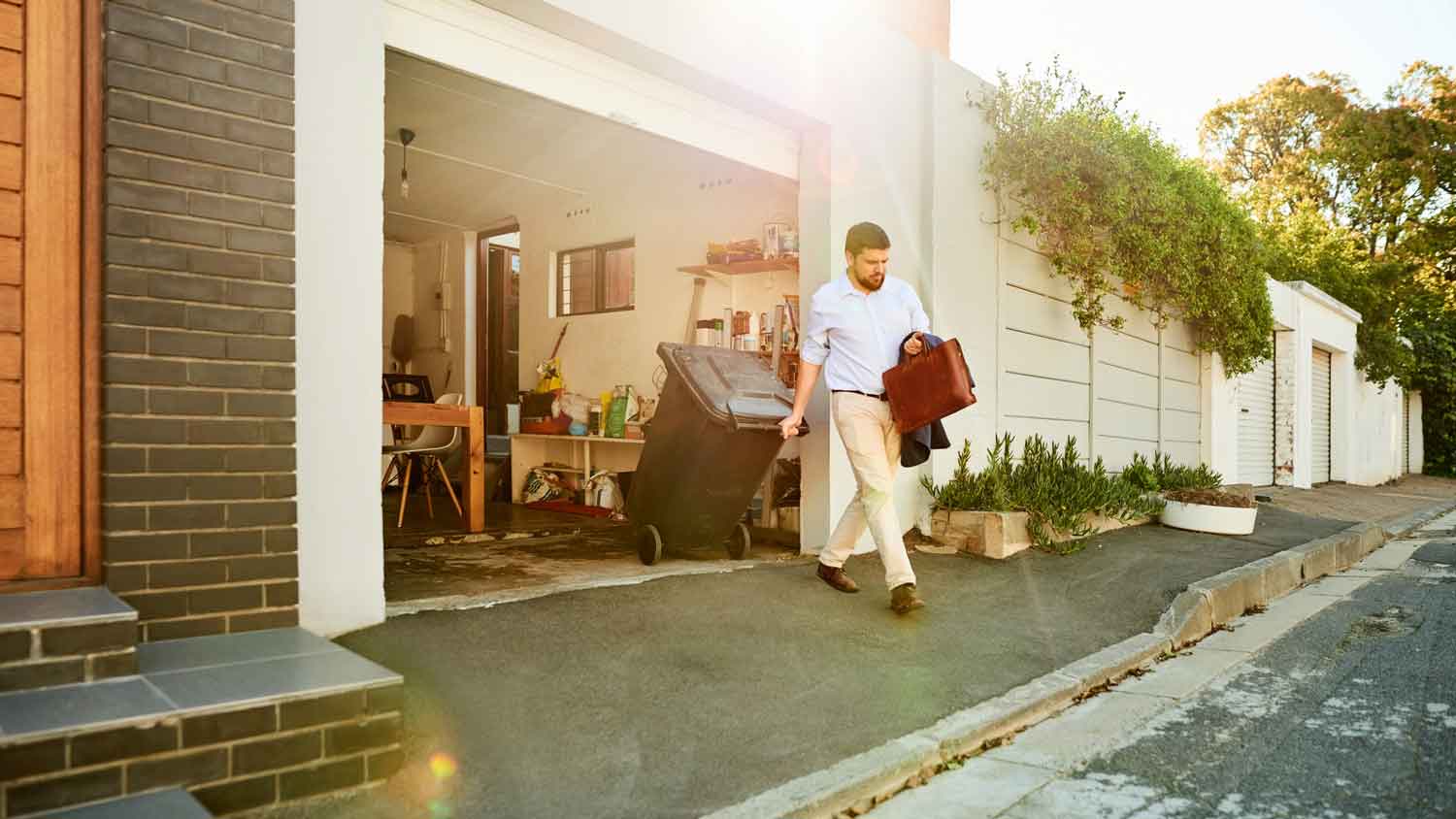
Garbage day has come and gone and your stuff still sits waiting on the curb. If you're wondering why your trash didn't get picked up, here's how to figure out what happened.
If your home is brimming with things you don’t need, find out about your options when it comes to how to get rid of trash, from junk collection to recycling.
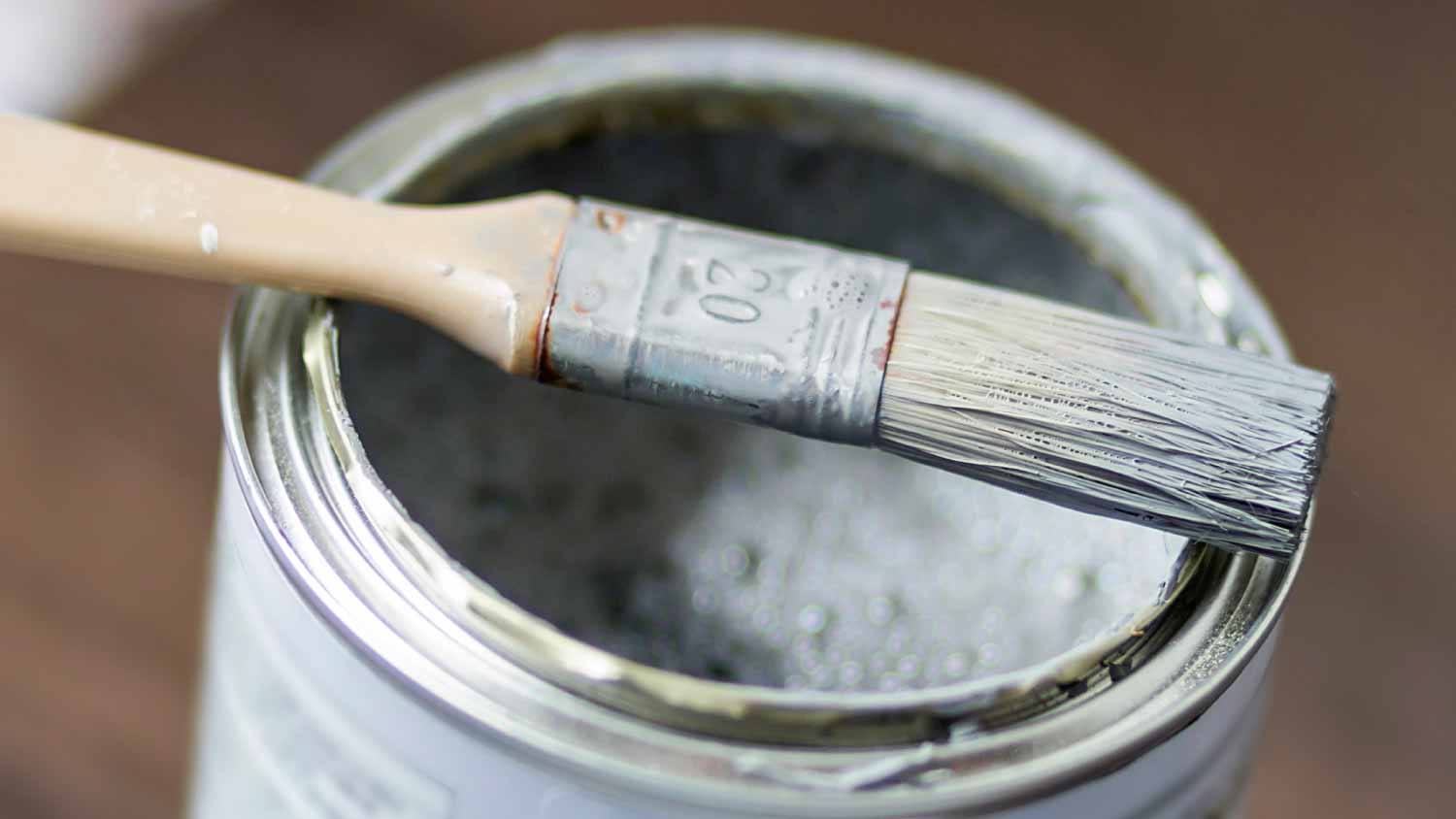
Need to get rid of old paint but not sure where to turn? Learn who disposes of old paint to avoid illegal dumping fees and prevent damage to the environment.