We have a single mission: Complete Customer Satisfaction! We have consistently focused on the needs of our customers, providing personalized attention and a stress-free experience.\nYou will find us to be competitively priced with close attention to the details.\nOur reputation is based on service, safety, and quality, regardless of how large or small the job.\nWe look forward to building a lasting relationship and guarantee your satisfaction!\n
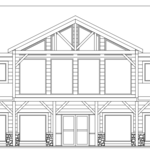
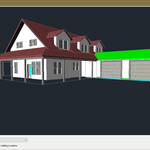
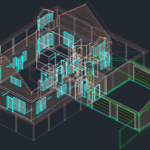
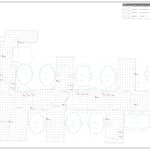
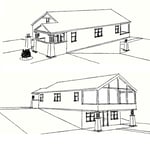
Terraform Development & Design LLC, delivers expert permit-ready architectural plans and drafting services nationwide. With 8+ years of experience and hundreds of clients across all 50 states, we create code-compliant residential and commercial construction documents that get approved fast and built right.\nFrom site plans, floor plans, elevations, structural & foundation drawings to MEP coordination, full construction sets, 3D renderings, interior design, solar PV layouts, and precise material takeoffs - we handle it all. Fast 4-6 week turnaround, 3 design revisions included, free revisions for city redline changes, transparent pricing (starts at $2,000), and direct partnerships with licensed engineers for stamps in every state.
"I was really under the gun due to a prior Architectural firm not performing their duties per building plan codes. Not only were the plans incomplete but the City Plan Reviewer states(The Worst plans he’s ever seen) they will not make adjustments unless there is an additional charge for Thousands.
Evaluation’s saved my clients and drew our project per code, along with Engineering in less time then they quoted. I highly recommended them, Especially Kirsten. You went above and beyond trying to coordinate this project. The staff was very professional and I will use them on all my projects.
Sincerely,
Frank B
BCM Builders"
MS Drafter is an experienced drafting service firm located in Orofino, Idaho. With over 20 years of experience, there is no residential drafting or design task they cannot handle. Please call directly for a free quote!
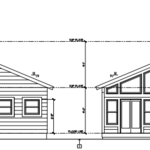
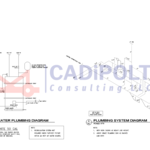
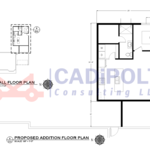
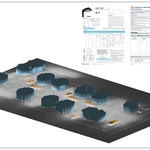
At CADiPOLT, we're dedicated to streamlining and enhancing your design and planning processes with a comprehensive suite of services tailored for various industries. Our commitment is to transform your visions into tangible outcomes through precision, expertise, and innovation. Discover how our specialized services can elevate your project.\n- Drafting and Design Services\n- Plan and Detail Drawings\n- CAD Outsourcing
EEI has been in business for 6 years. With offices in Reno NV, Carlsbad CA, and Camarillo CA EEI provides Environmental, Engineering and Architectural services. If you need Engineering or Architectural services please send an e-mail to [email protected]. A complete company profile can be seen at www.eeitiger.com, or call us in Reno at (775) 746-1980 to discuss how we can assist you.
\nWe are committed to excellence in every aspect of our business. We uphold a standard of integrity bound by fairness, honesty and personal responsibility. Our distinction is the quality of service we bring to our customers. Accurate knowledge of our trade combined with ability is what makes us true professionals. Above all, we are watchful of our customers interests, and make their concerns the basis of our business.\n
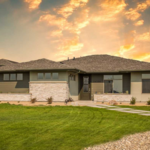
At TR Home Design, we can take care of all of your design needs. Our expertise extends to every room in your home and we will customize the plans to fit your needs. Call today for a free estimate and let us show you how to make your building dreams come true!
We are a locally owned and operated company. We value honesty and integrity in all aspects of our business. We offer a variety of home improvement services that are customized to each individual project. We pride ourselves on the quality of our work, as well as our commitment to outstanding results. We look forward to building lasting relationships with our clients and guarantee your satisfaction!
Structural Engineering questions, answered by experts
Through proper drainage solutions and compacting the foundation soil.
A structural engineer's report provides a professional assessment of a property's structural condition. It typically includes an evaluation of the foundation, key structural elements like roof trusses, floor joists, studs, beams, and rafters. The report will also contain a detailed description of the engineer's findings, often supported by photographs, and provide recommendations to correct any identified issues. Depending on the scope of the inspection, it might also include an assessment of property drainage, potential issues from environmental conditions like extreme weather or tree placement, and an estimated time and cost for any recommended repairs.
Costs depend on unit complexity, labor, wall mounting needs, and additional accessories like floating shelves.
Structural engineers can perform various inspections on different structures in your home. These inspections usually include a report detailing the engineer’s findings and recommendations for repairs so you can determine your next course of action for repairs, replacements, or new builds.
Some of the most common structural engineering reports include:
Full home inspection: $350–$1,000
Foundation: $300–$800
Load-bearing walls: $300–$1,000
Roof: $150–$600
Chimney: $200–$500
The essential difference between an architect and an engineer is that architects typically focus more on the aesthetic design of buildings, although not without consideration for the structural integrity of the building. Engineers focus more on the structural, technical, and practical aspects of whether and how an architectural design can be built as drawn. You may need to hire both types of professionals if you’re designing and building a new home.
The Bruneau, ID homeowners’ guide to structural engineering services
From average costs to expert advice, get all the answers you need to get your job done.
The cost of a structural engineer is easily justifiable given the value they bring to the table. Use this guide to see what hiring your professional will total.
Spotting deep foundation cracks or sagging floors? Learn about structural engineering costs, serious warning signs, and how to hire the right local pro.
It can be hard to choose the right pro for any job, but it matters. Learn how to hire a structural engineer who'll get the job done right from start to finish.