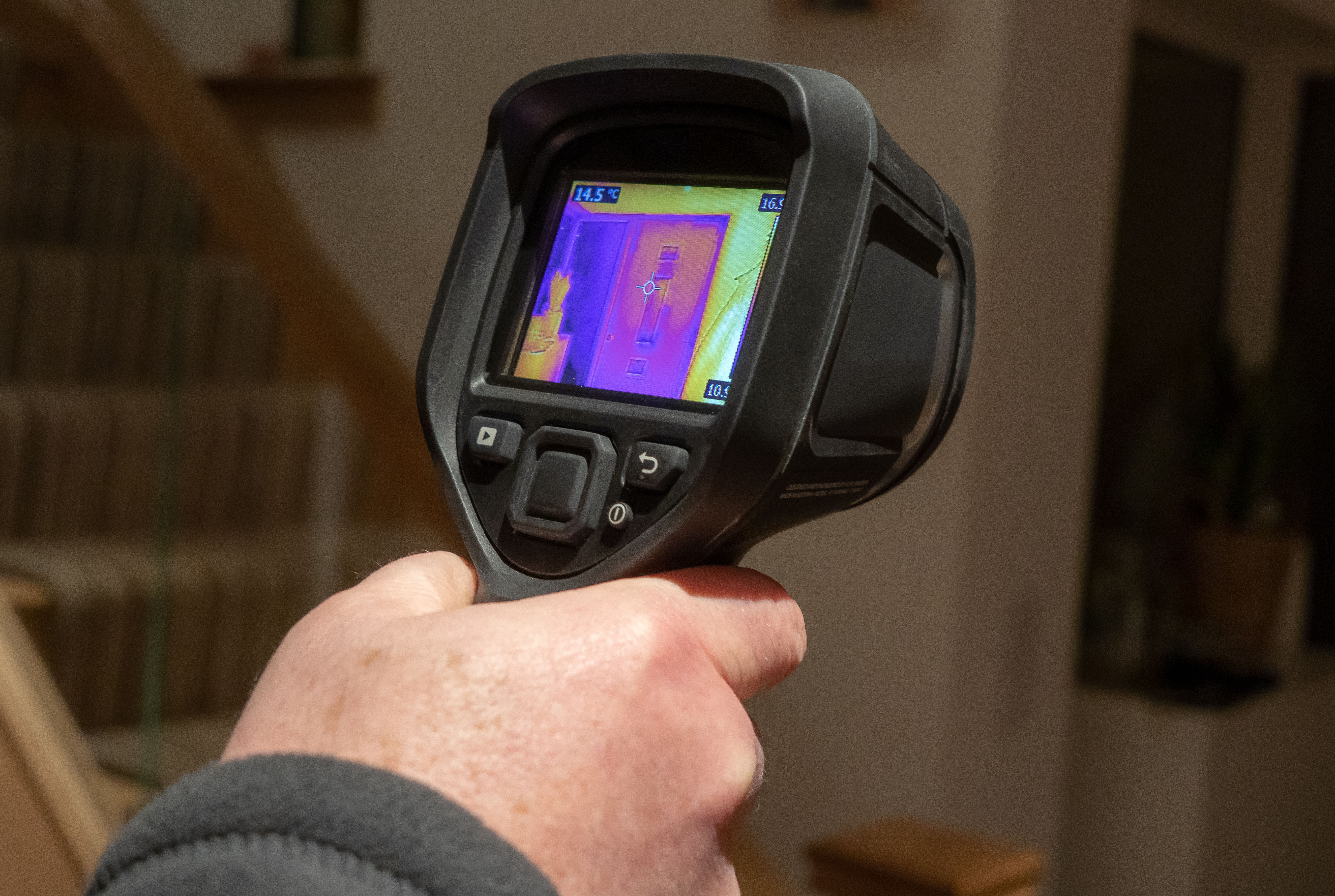






Top-rated energy efficiency auditors.

Get matched with top energy efficiency auditors in Walker, IA

Enter your zip and get matched with up to 5 pros

Need a pro for your energy efficiency auditing project in Walker, IA?

Select your specific project to find the pro for you.

Find Energy efficiency auditors in Walker

Avatar for WireOne, LLC
WireOne, LLC
4.3(
143
)
Home Energy Audit

Serving Walker, IA and surrounding areas

Approved

In business since 2010

Free estimates

Credit card accepted

"Updated bathroom electrical during remodeling. They came the day after I called them for an estimate for 1 hour of work and completed it immediately. Also gave me an estimate for a household generator. I would hire them again."
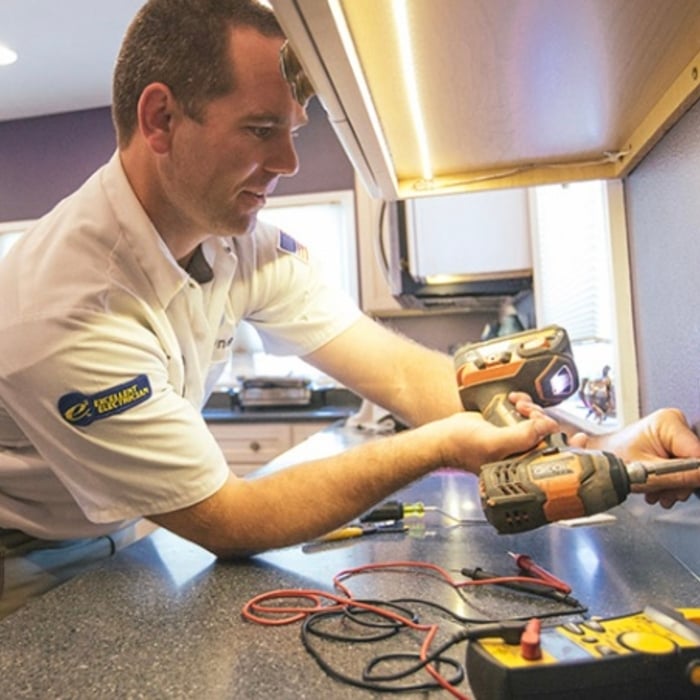
Cabling
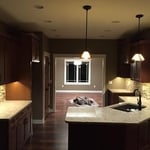
Under Cabinet Lighting
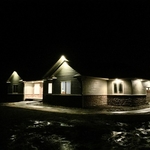
Exterior
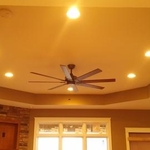
Can lights and Fan
Outlets

+5

82 neighbors recently requested a quote
Recommended by94%of homeowners

Energy Efficiency Auditing questions, answered by experts

You can check your home's humidity in a few ways. A simple option is to use a hygrometer, which you can find at a hardware or big box store. Your smartphone may also have an app that can measure humidity. Modern thermostats, particularly smart thermostats, are also able to measure humidity levels.

To find a reputable home energy auditor, start by researching local companies that offer the service and check their reviews, methods, and certifications. The most reputable professionals are often Home Energy Professional (HEP)-certified by the Building Performance Institute (BPI). You can also consult the Department of Energy’s certified list of energy auditors or use a state licensing tool to review local guidelines and ensure you are hiring a certified professional for your area.

To determine the right size generator for your house, you should calculate the total wattage of the appliances and devices you want to power during an outage. List all essential items, note their start-up wattages, and add them together.

Here are some typical wattage requirements for common appliances:

  • Refrigerator: 600 watts

  • Large dehumidifier: 700 watts

  • Large window air conditioner: 1,400 watts

  • Water heater: 3,000 to 4,500 watts

  • Electric furnace: 5,000 to 25,000 watts

A 7,500-watt generator might be sufficient for essentials like a refrigerator, freezer, well pump, and lighting circuits. However, for high-demand items like a water heater or furnace, a whole-home generator is a better choice. A portable generator may be enough if you only need to power a few critical items.

While home square footage can offer a rough estimate, it is not always a reliable indicator. For reference, here are some typical generator sizes based on square footage:

  • 1,000 sq ft: 6–9 kW

  • 1,500 sq ft: 7–10 kW

  • 2,000 sq ft: 10–14 kW

  • 2,500 sq ft: 12–16 kW

  • 3,000 sq ft: 16–20 kW+

For the most accurate sizing, consult a professional who can calculate your home's peak and average power consumption and recommend the optimal generator.

Homeowners may qualify for an HVAC tax credit if they install an ENERGY STAR®-certified HVAC system that exceeds the energy efficiency minimum standards:

  • Split-System AC: 16 SEER2

  • Packaged AC: 15.2 SEER2 and 11.5 EER2

  • Ducted Split Heat Pump: 15.2 SEER2, 7.8 HSPF2, and 11.7 EER2 

  • Packaged Heat Pump: 15.2 SEER2, 7.2 HSPF2, and 10.6 EER2

  • Mini-Split System: 16 SEER2, 9 HSPF2, and 12 EER2

You can claim up to 30% of the cost of the job, subject to maximums.

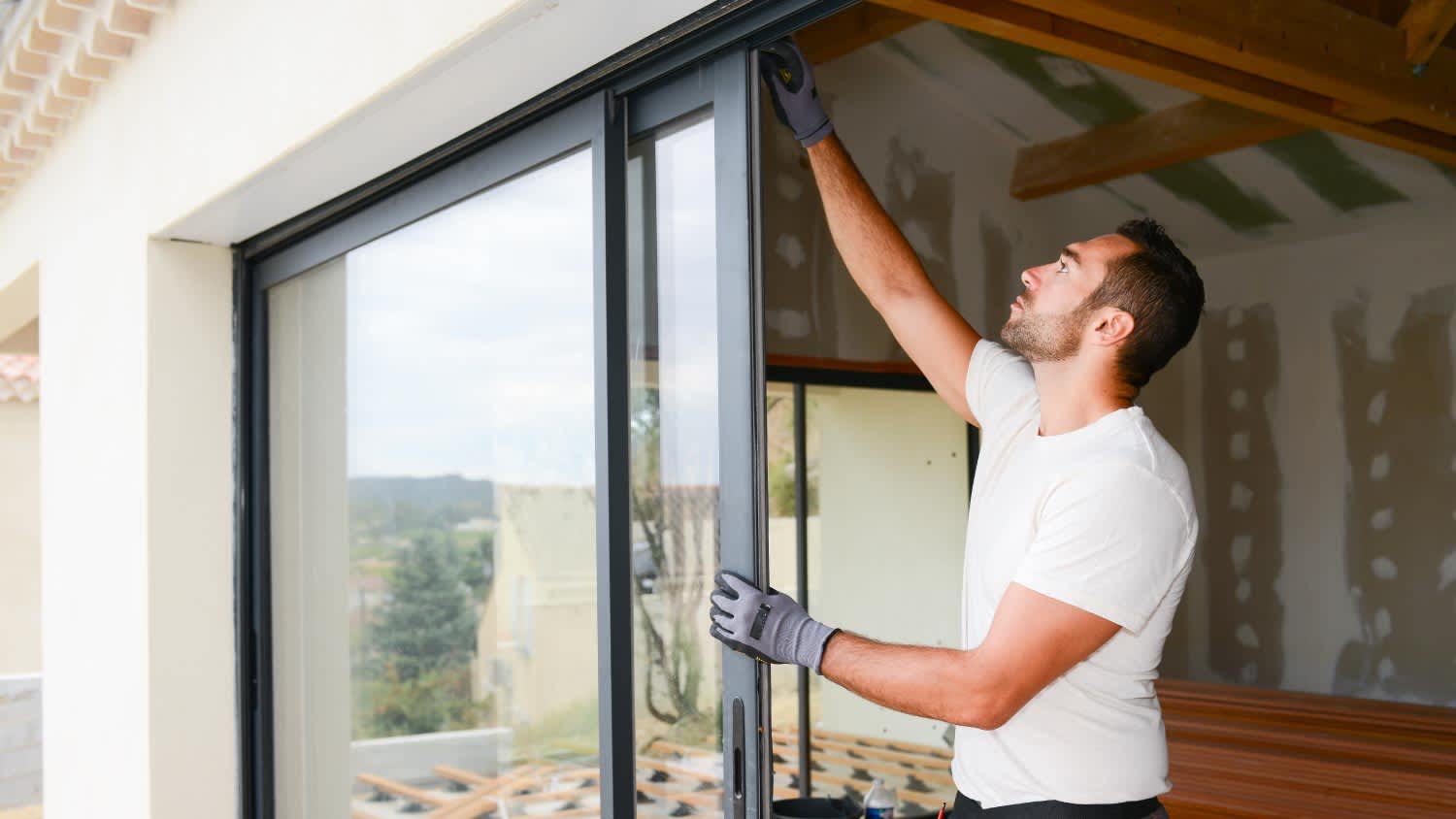
Replacing a window frame will improve your home’s energy efficiency if the old frame is cracked or damaged in a way that allows unconditioned air from the outside into your living space or if you upgrade to a more energy-efficient window frame material. Aluminum is the least energy-efficient window frame material, followed by vinyl and wood. Fiberglass and composite frames are the most energy-efficient.

The Walker, IA homeowners’ guide to energy efficiency auditing services

From average costs to expert advice, get all the answers you need to get your job done.