


Top-rated fence painters.

Best fence painters near Stuart, IA

Enter your zip and get matched with up to 5 pros

Need a pro for your fence painting project in Stuart, IA?

Select your specific project to find the pro for you.

TRUSTED BY STUART, IA HOMEOWNERS

  • Average homeowner rating star icon4.8
    Average homeowner rating
  • Verified reviews icon22
    Verified fence painting services reviews

Top-Rated Fence painters in Stuart - Updated Nov 2026

No results for Fence painter in

Try adjusting your search criteria.
Fence Painting FAQs, answered by experts

An exterior paint job typically lasts between 5 and 10 years, though this can range from 3 to 17 years depending on several factors. The longevity is influenced by the quality of the paint and primer, the quality of the application, the local climate, and the type of surface being painted. For example, paint on wood siding may need to be redone every 3 to 7 years, while painted brick can last up to 17 years. Aluminum siding often needs repainting every 5 years.

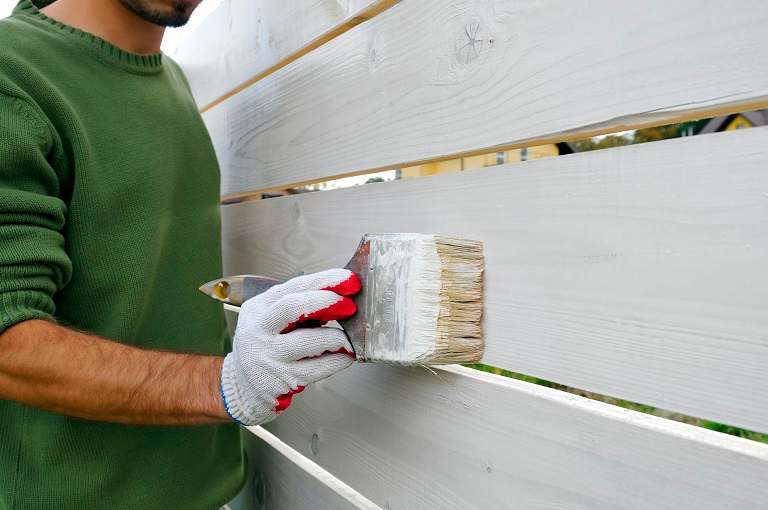
Your tool of choice ultimately comes down to personal preference. Many DIYers prefer applying stain with a lint-free rag, but others stick with a paint brush or a roller. Wipe the stain and work it into the wood, working with and against the grain. If you’re applying multiple coats, allow the stain to dry for around four hours between coats.

Staining or sealing a cedar deck or fence is highly recommended to extend its lifespan and protect it from the elements. While cedar is naturally resistant to mold and mildew, it is not impervious to damage from moisture, sun exposure, splintering, fading, and rot over time. Applying a protective finish creates a shield that preserves the wood's strength and appearance, potentially extending its life by five to 10 years.

When choosing a finish, it's helpful to understand the difference between a sealer and a stain. A sealer sits on top of the wood, whereas a combination stain and sealer soaks into the top layer. Because it penetrates the wood, a stain generally offers better protection against UV damage and rot and lasts significantly longer. For the best results that also preserve the wood's natural color, consider using a near-translucent stain.

To maintain protection, plan on reapplying the stain or sealer every two to three years, either as a DIY project or by hiring a professional.

Oxygen bleach uses hydrogen peroxide as a base and won’t harm wood when using it as a cleaner. On the other hand, chlorine bleach breaks down wood at the cellular level and causes irreversible harm. Although you may not see immediate damage to wood after exposing it to chlorine bleach, its strength and integrity are now compromised.

Limewash and whitewash are two techniques used to give brick a light, matte finish, but they differ in composition, application, and permanence. The best choice depends on your aesthetic goals and the specific surface.

Composition

  • Limewash: A natural and environmentally friendly option made from limestone, water, and sometimes pigments. It is breathable and soaks into porous surfaces like brick.

  • Whitewash: Traditionally made from lime, water, chalk, and binders, but a similar look can be achieved with watered-down white paint. It is paint-based and sits on top of the surface.

Appearance and Finish

  • Limewash: Provides a natural, textured appearance that allows the brick's character to show through. It offers a more traditional finish.

  • Whitewash: Creates a softer, more opaque finish, often used for a rustic or shabby-chic style.

Application and Permanence

  • Limewash: Is semi-permanent and can be removed, making it a good choice if you might want to change the look in the future. It requires more skill to apply and cannot be used on previously painted brick.

  • Whitewash: Is a more permanent solution. It is more forgiving to apply and can be used on painted brick. However, because it sits on the surface, it can trap moisture.

Ultimately, if you want a breathable, natural, and reversible finish for unpainted brick, limewash is a great option. If you need a more permanent, opaque coating that can be applied over painted surfaces, whitewash is the better choice. Whitewashing may also be more economical, costing approximately $1.40 to $4.20 per square foot.

The Stuart, IA homeowners’ guide to fence painting services

From average costs to expert advice, get all the answers you need to get your job done.