







Top-rated lead testing and removal specialists.

Get matched with top lead testing and removal specialists in Lone Tree, IA

Enter your zip and get matched with up to 5 pros

Need a pro for your lead testing and removal project in Lone Tree, IA?

Select your specific project to find the pro for you.

Find Lead testing and removal specialists in Lone Tree

Avatar for Milledge Construction
Milledge Construction
5.0(
9
)

Serving Lone Tree, IA and surrounding areas

Approved

Free estimates

Warranties offered

Credit card accepted

"Excellent. No problems and the work was very efficient and quick. They were in and out in just a couple hours and left no trace of a mess what so ever. Very pleased with the overall installation"
Radon mitigation system
Radon Detection & Reduction Project

+56

Response time1 day
48 neighbors recently requested a quote
Recommended by100%of homeowners
Lead Testing and Removal questions, answered by experts

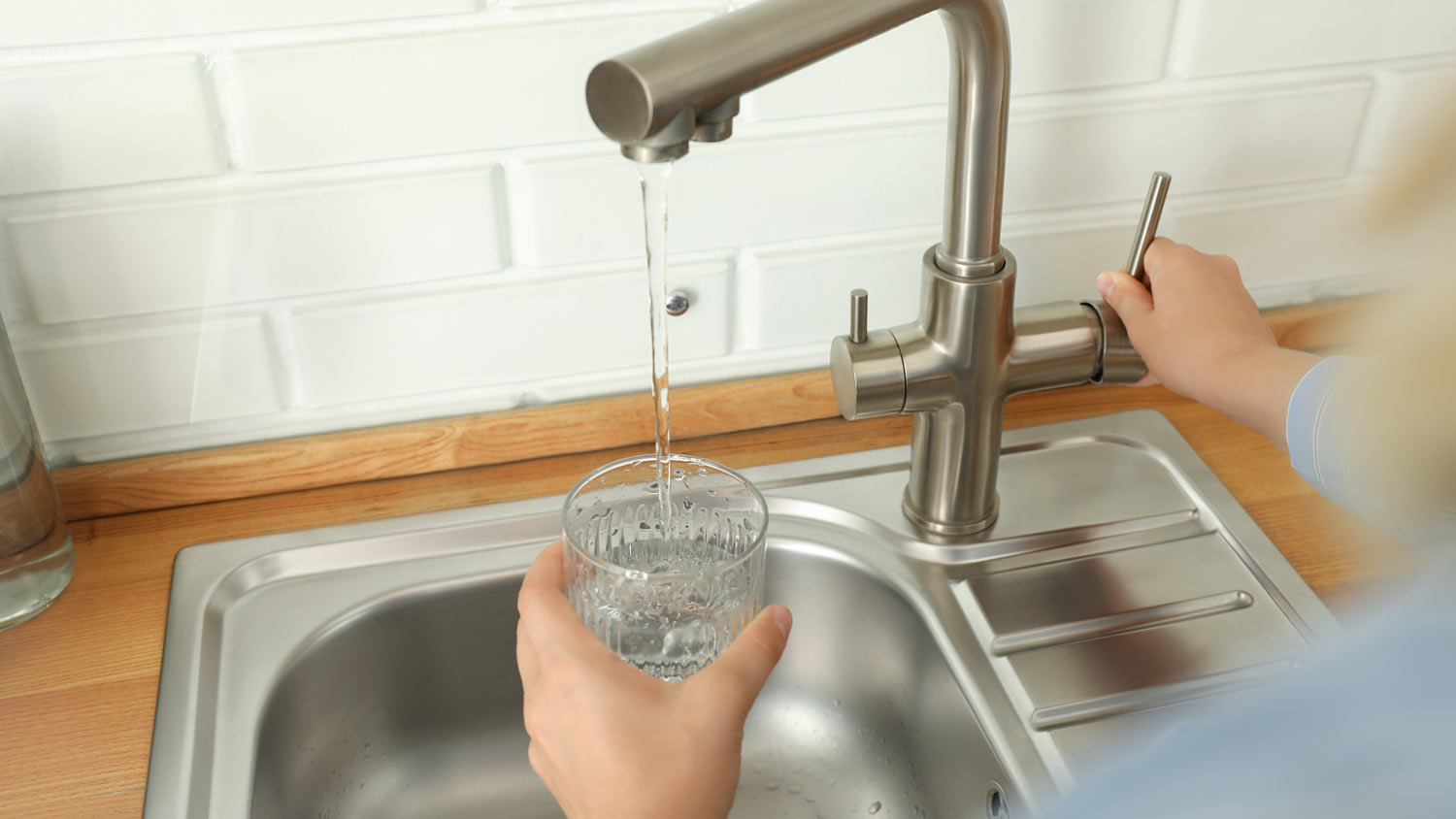
Iron sediments from rusty pipes are not likely to cause health problems. While a glass of yellow-hued water is off-putting, it is generally safe to drink yellow water in the short term. But you certainly want to address this problem. In the meantime, switching to bottled water until the yellow water issue is resolved is a good idea. 

At-home lead tests can provide accurate results if used correctly, and if the kits are reputable and certified. They vary in sensitivity and methodology, influencing their accuracy. Follow instructions meticulously, ensuring proper sample collection and test execution. While they can detect elevated lead levels, for precise confirmation or if results are concerning, consider professional testing or lab analysis for comprehensive accuracy and guidance on addressing any issues.

No. Standard homeowners insurance does not cover any kind of lead remediation, focusing instead on sudden, unpreventable events like fires and theft. Many insurance companies will specifically exclude lead paint removal, since it tends to be an expensive and unavoidable project. The exception is if the lead surface is damaged during a covered event (like a flood) and homeowners insurance pays its replacement.

A lead paint inspection is a thorough examination and assessment of a building or structure to determine the presence of lead-based paint. Lead-based paint was commonly used in buildings before 1978 when its health hazards were fully understood. Lead is toxic and can pose health risks, particularly to young children and pregnant women. Getting a lead paint inspection means finding a lead paint inspector to examine the surfaces of the building—such as walls, ceilings, doors, windows, and other painted areas—and identify the presence of lead-based paint.

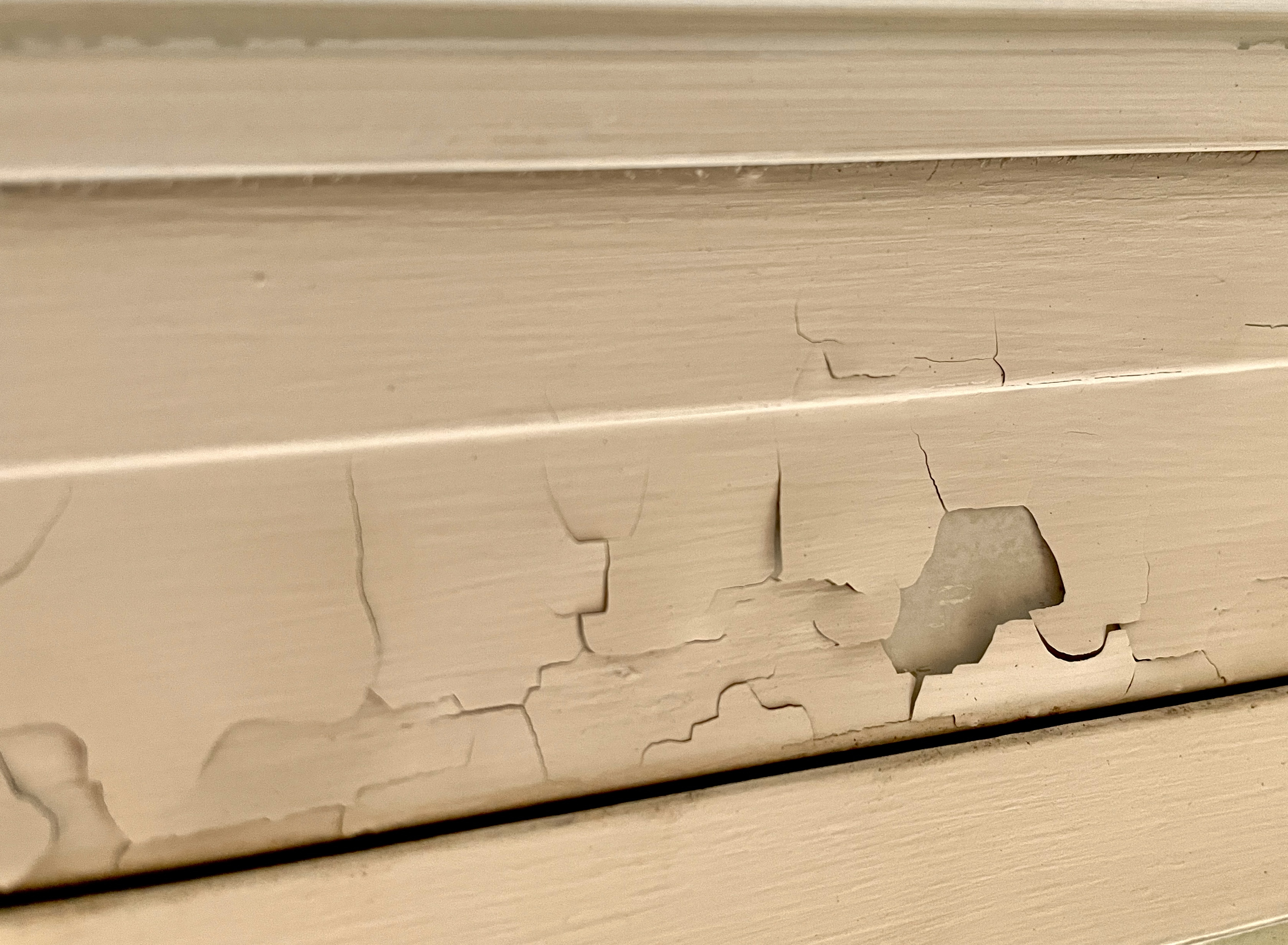
If your house was built before 1978 and you’re noticing cracking or peeling paint, a lead paint inspection is a good idea. A lead paint inspection gives you accurate information about the presence, location, and condition of lead-based paint in your home. This information is essential for making informed decisions about lead paint removal to ensure your safety and health and that of your family. If your inspector finds lead, you’ll need to take steps to manage or remove the lead-based paint and comply with laws and regulations.

The Lone Tree, IA homeowners’ guide to lead testing and removal services

From average costs to expert advice, get all the answers you need to get your job done.