




Top-rated energy efficiency auditors.

Best energy efficiency auditors near Leon, IA

Enter your zip and get matched with up to 5 pros

Need a pro for your energy efficiency auditing project in Leon, IA?

Select your specific project to find the pro for you.

Top-Rated Energy efficiency auditors in Leon - Updated Nov 2026

Terry's Quality Concrete
New to Angi
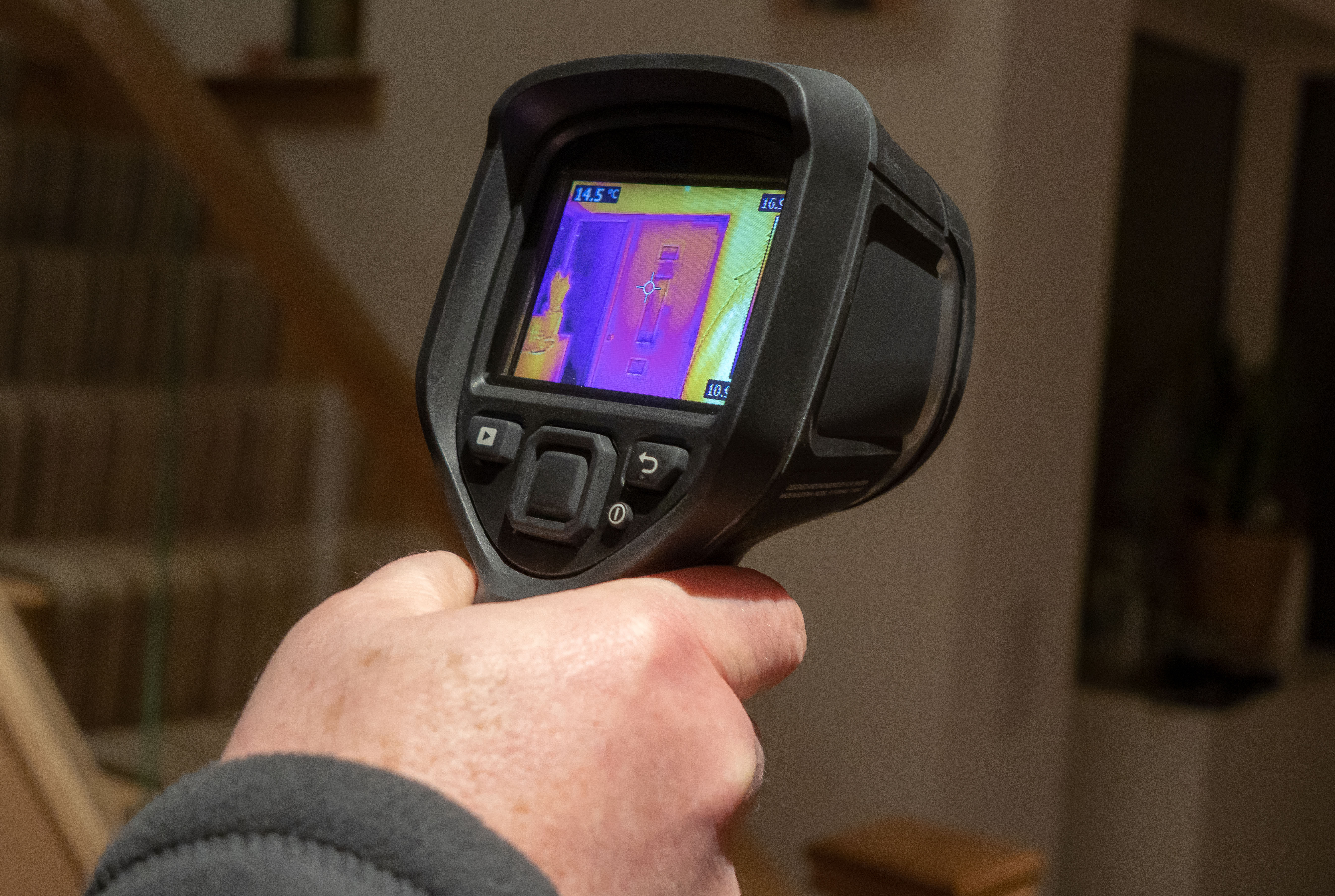
Home Energy Audit

Serving Leon, IA and surrounding areas

In business since 2011

Free estimates

Credit card accepted

Dr. Energy Saver Des Moines is the local Dr. Energy Saver serving Des Moines, Ames, West Des Moines, Ankeny, Urbandale, Marshalltown, Fort Dodge, Johnston, Indianola, Clive, and surrounding areas. \n \nWe offer homeowners energy efficient products and services to optimize the home's energy use and lower the home's utility bills. \n \nWe can provide you with efficient lighting, replacement windows and doors, water heaters, insulation, air sealing, better your water conservation, renewable energy sources, and much more to help you save money. \n \nWe've helped hundreds of homeowners pay less for energy bills by making their homes more energy efficient. Our comprehensive home energy efficiency solutions are customized to fit your specific needs. \n \n

Energy Efficiency Auditing FAQs, answered by experts

The number one culprit of high energy bills is older appliances, especially fridges and freezers that are left on all the time. These two appliances tend to last a long time, which is good, but it also means that newer models are usually significantly more energy-efficient due to upgraded technology. The second most common reason for a high bill is heating and air conditioning.

While you can perform many routine home maintenance jobs yourself, it’s often a good idea to bring pros in for certain tasks. HVAC maintenance, fireplace and chimney inspections, foundation repairs, and roof inspections and repairs should be handled by professionals who know what to look for and can safely perform repairs. You may also find it helpful to hire a local house cleaning service to help with deep cleaning.

To determine the right size generator for your house, you should calculate the total wattage of the appliances and devices you want to power during an outage. List all essential items, note their start-up wattages, and add them together.

Here are some typical wattage requirements for common appliances:

  • Refrigerator: 600 watts

  • Large dehumidifier: 700 watts

  • Large window air conditioner: 1,400 watts

  • Water heater: 3,000 to 4,500 watts

  • Electric furnace: 5,000 to 25,000 watts

A 7,500-watt generator might be sufficient for essentials like a refrigerator, freezer, well pump, and lighting circuits. However, for high-demand items like a water heater or furnace, a whole-home generator is a better choice. A portable generator may be enough if you only need to power a few critical items.

While home square footage can offer a rough estimate, it is not always a reliable indicator. For reference, here are some typical generator sizes based on square footage:

  • 1,000 sq ft: 6–9 kW

  • 1,500 sq ft: 7–10 kW

  • 2,000 sq ft: 10–14 kW

  • 2,500 sq ft: 12–16 kW

  • 3,000 sq ft: 16–20 kW+

For the most accurate sizing, consult a professional who can calculate your home's peak and average power consumption and recommend the optimal generator.

Yes, energy-efficient options such as LEDs and solar-powered lights are available. These alternatives consume less electricity, resulting in lower utility costs. They are also more environmentally friendly due to their reduced carbon footprint and longer lifespan.

DIY is possible with basic tools. Professional audits provide comprehensive assessments and tailored recommendations.

The Leon, IA homeowners’ guide to energy efficiency auditing services

From average costs to expert advice, get all the answers you need to get your job done.









