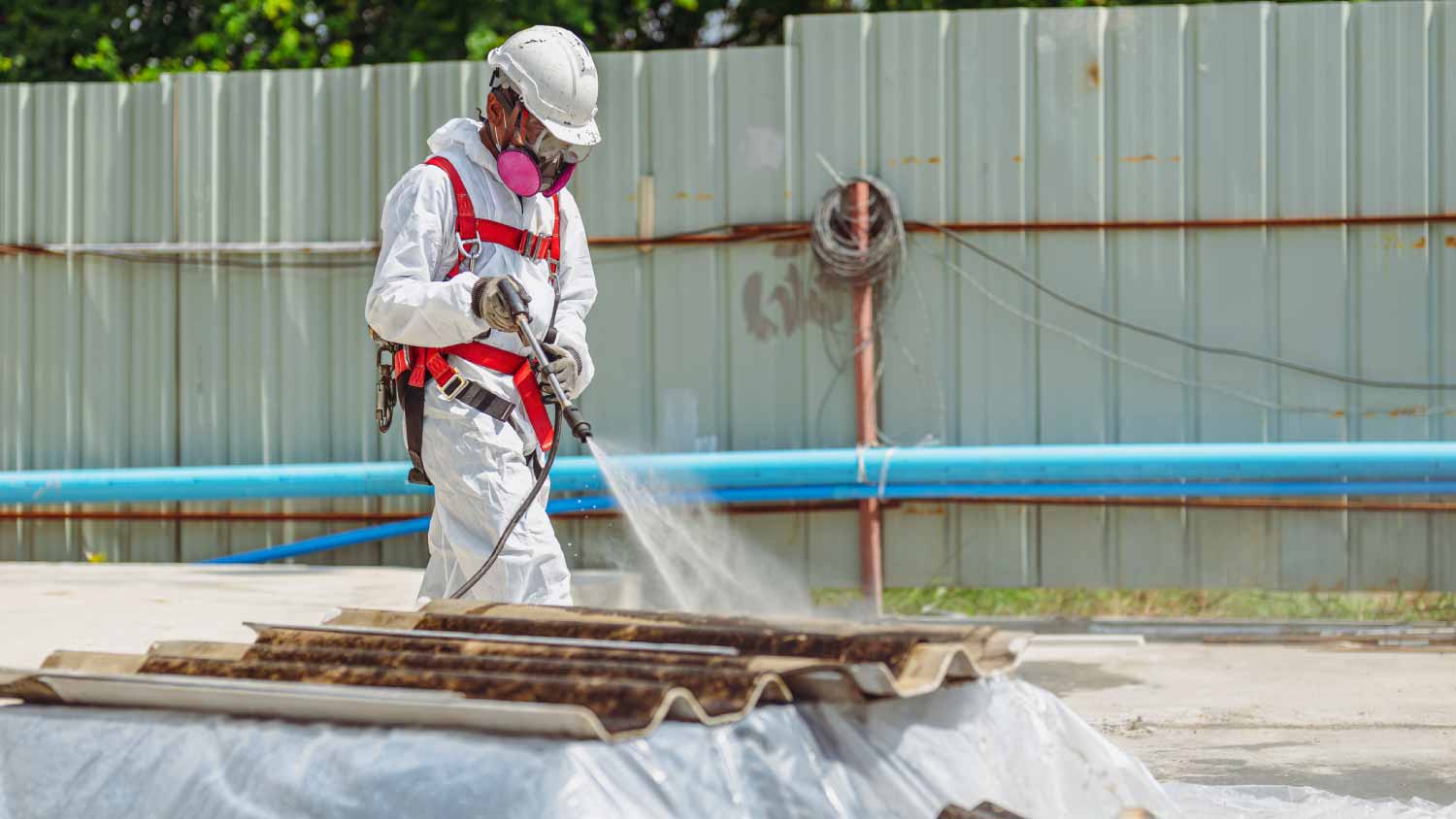
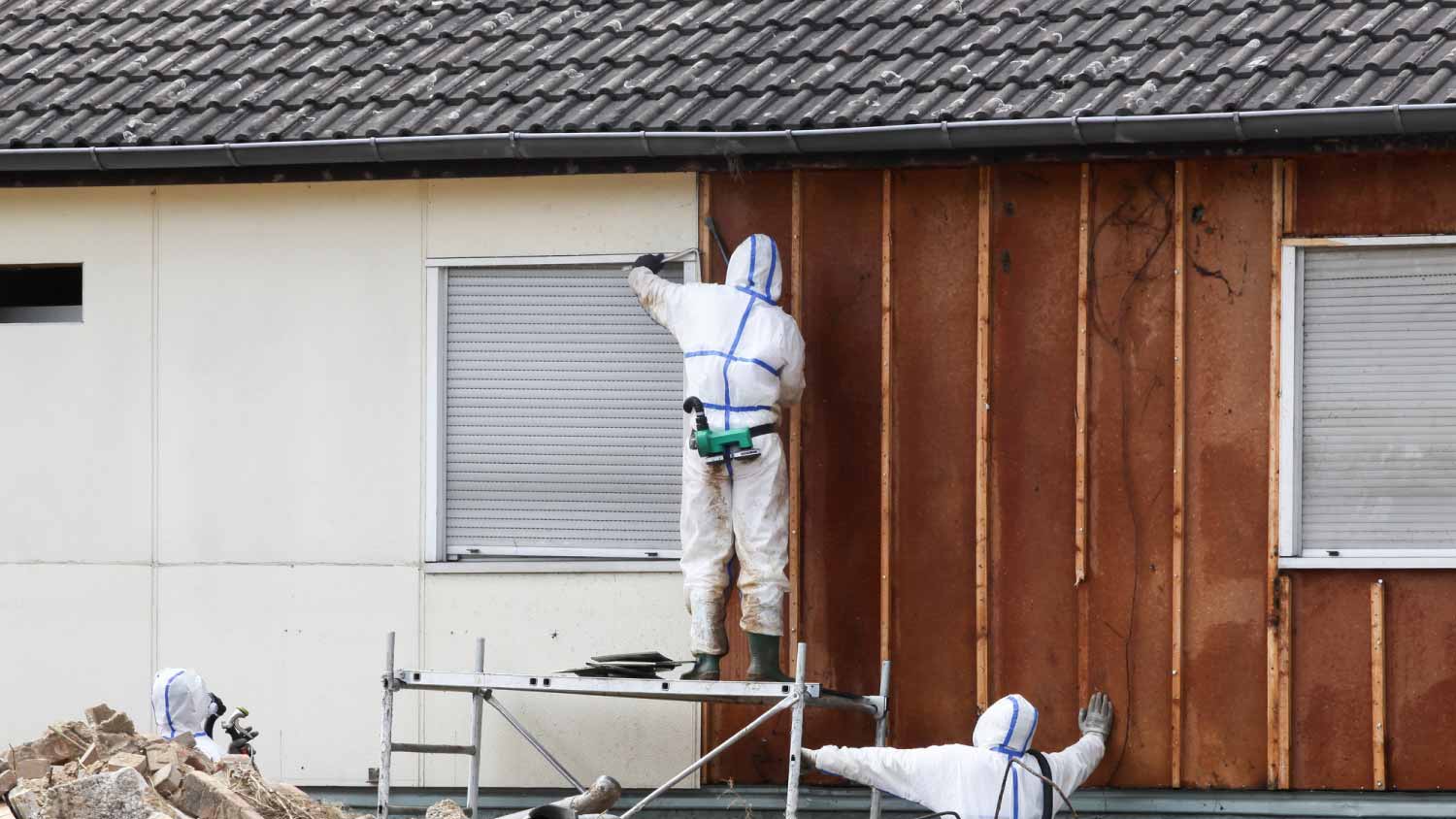
Top-rated asbestos removal specialists.

Best asbestos removal specialists near Lansing, IA

Enter your zip and get matched with up to 5 pros

Need a pro for your asbestos abatement project in Lansing, IA?

Select your specific project to find the pro for you.

Top-Rated Asbestos removal specialists in Lansing - Updated Nov 2026

Asbestos Removal FAQs, answered by experts

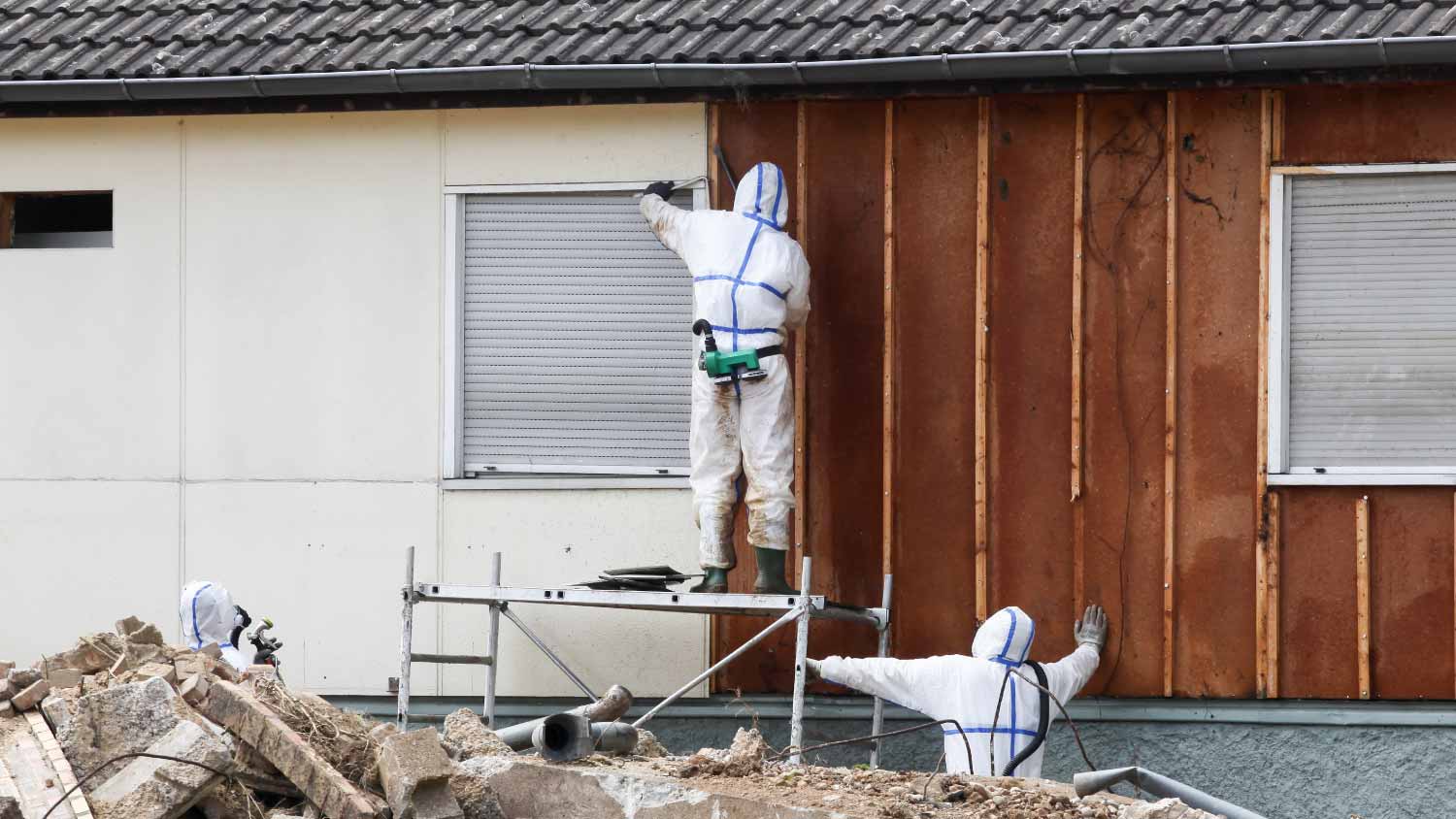
Since the EPA partially banned asbestos in 1989, it is no longer used to manufacture new siding in the United States; production had largely ceased by the early 1980s. Many other countries, such as Canada, Iceland, and Denmark, also have bans on asbestos. However, asbestos siding is still present in many homes built before the late 1980s. The only definitive way to know if your siding contains asbestos is to have it professionally lab-tested.

When asbestos fibers become airborne, they enter a person's respiratory system. These fibers scar and damage the lungs and often lead to serious cancers like mesothelioma. Like many dangers in the house, asbestos isn’t easy to see when it could be causing serious damage. The amount of time exposed, combined with the person’s tolerance for asbestos inhalation and the amount inhaled, will all contribute to health problems.

According to the Environmental Protection Agency (EPA), hazardous waste is generally classified into four main categories:

1. Characteristic Wastes: These exhibit at least one of four hazardous traits: ignitability (flammable, like gasoline), corrosivity (can rust or decompose materials, like car batteries), reactivity (unstable and can explode, like aerosol cans), or toxicity (harmful when ingested, like lead-based paint).

2. Listed Wastes: These are specific wastes from manufacturing and industrial processes that the EPA has officially designated as hazardous. They include byproducts from processes that use solvents, pesticides, and other chemicals.

3. Universal Wastes: These are commonly generated hazardous items that are subject to streamlined regulations. Examples include batteries, pesticides, mercury-containing equipment (e.g., bulbs), and some lamps.

4. Mixed Wastes: This category includes waste that contains both hazardous and radioactive components, making it subject to regulation by both the EPA and the Nuclear Regulatory Commission.


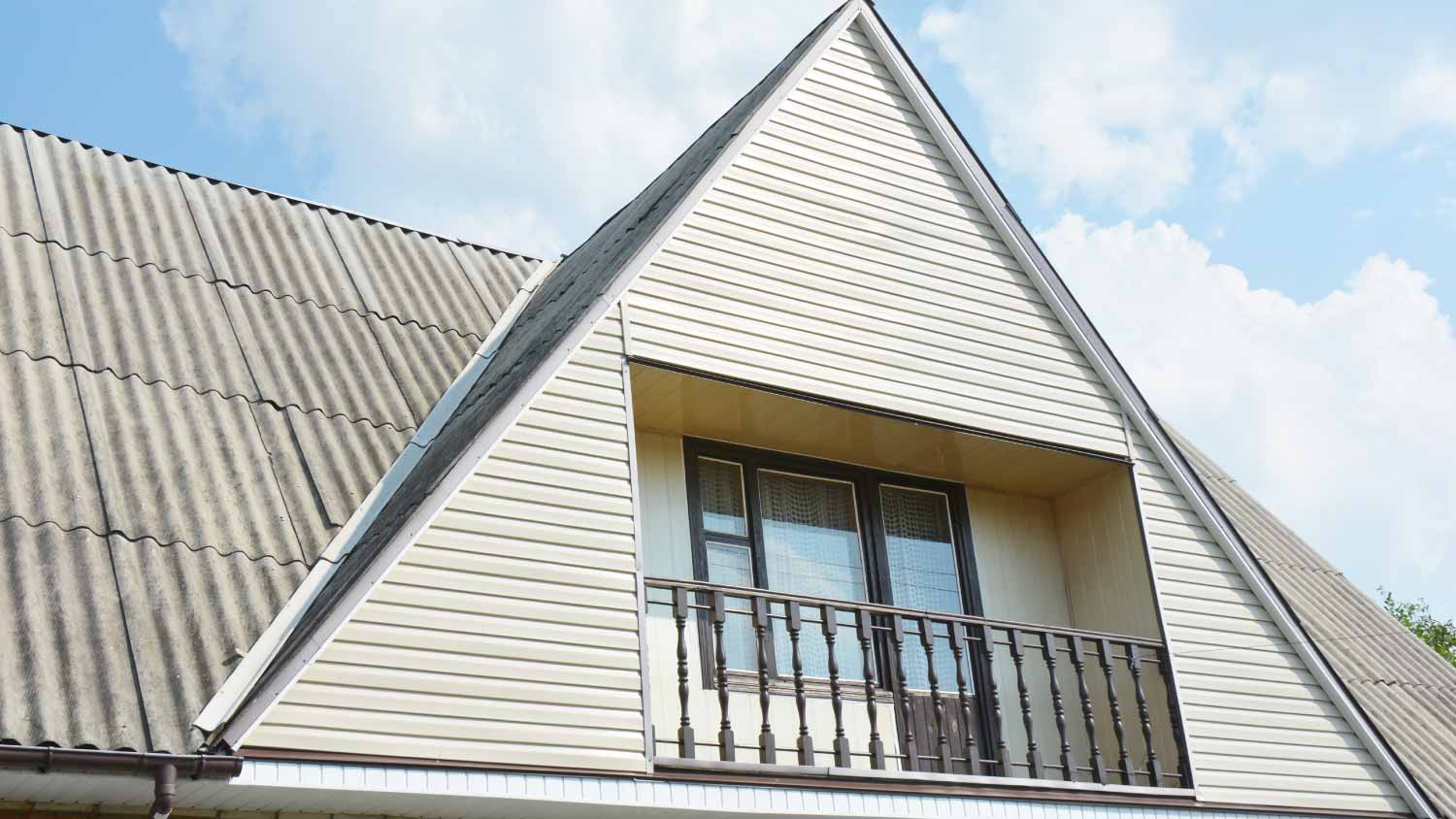
You can cover asbestos siding with another type of siding, such as vinyl, however, this may not be the best option. Covering the asbestos siding may disturb it, releasing fibers into the air. The covered siding can also be disturbed at a later date, such as by a new homeowner who is unaware of its presence.

If you decide to cover the siding, be sure to work with a professional and follow any local building codes and requirements. It may be the case that removing the asbestos siding is the better option, rather than covering it over. 

If you suspect exposure to asbestos, prioritize seeking medical advice by informing your healthcare provider about the potential exposure with clear details about the circumstances that led to the exposure. Regular health check-ups and screenings if you work in high-risk industries or live in a home with asbestos are essential for early detection of any asbestos-related conditions. You should also consider consulting occupational health experts or legal professionals for guidance on potential next steps and preventive measures.

The Lansing, IA homeowners’ guide to asbestos removal services

From average costs to expert advice, get all the answers you need to get your job done.