








Top-rated structural engineers.

Get matched with top structural engineers in Janesville, IA

Enter your zip and get matched with up to 5 pros

Need a pro for your structural engineering project in Janesville, IA?

Select your specific project to find the pro for you.

Find Structural engineers in Janesville

Avatar for Konak Engineering
Konak Engineering
4.9(
8
)

Serving Janesville, IA and surrounding areas

In business since 2004

Free estimates

"Aaron was very prompt in calling us and getting something scheduled so he could come take a look at the issue we have with our home . We feel comfortable moving forward now that Aaron has taken a look and provided some resources that we can contact.. Would recommend."
Response time1 day
Recommended by100%of homeowners
Structural Engineering questions, answered by experts

According to the Earthquake Country Alliance—a public and private alliance in California that works to improve earthquake and tsunami readiness—reports that unreinforced masonry, such as stone, bricks, and hollow clay tiles, is more susceptible to earthquake damage. The mortar between bricks isn’t as stable as other building materials and methods.

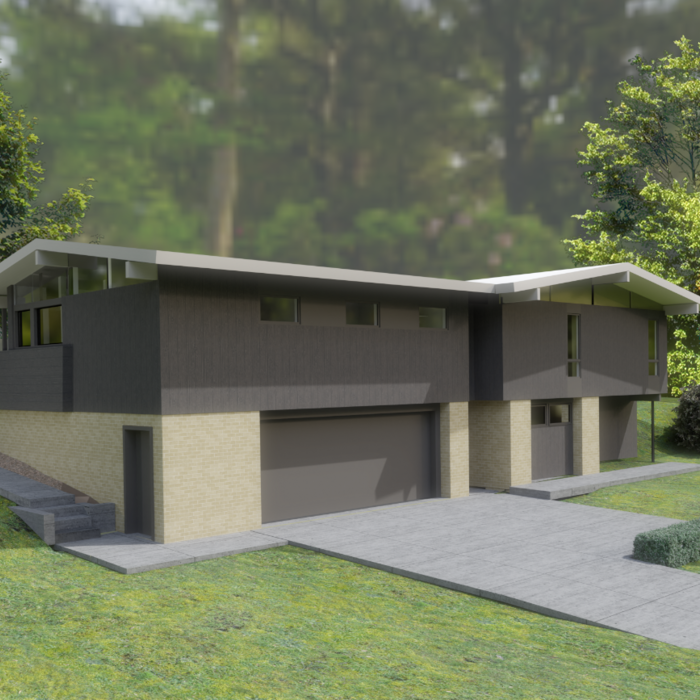
A split-level home is one that has several staggered floors connected by short staircases, while a split floor plan separates the primary bedroom from the rest of the bedrooms. Split floor plans are most often found in single-story homes, while split-level homes are always at least two stories.

The average cost to hire a structural engineer is about $550, with prices generally ranging from $200 to $1,500. Structural engineers may charge a flat rate, by the project, by square footage, or an hourly rate, which is typically between $100 and $250. Many jobs, such as inspections and structural calculations, are billed at a flat rate, which often falls between $300 and $800. The final cost depends on several factors, including the project's type, scope, size, complexity, ease of access for inspection, and your geographic location.

In framing, studs are placed at 16-inch intervals to coincide with the typical spacing of wall materials such as drywall or plywood. This spacing is called "on-center" and is necessary for maintaining structural stability and efficient use of materials. The 16-inch spacing also helps to distribute the weight evenly across the building's structure. For those looking to cut material costs and improve energy efficiency, 24-inch stud spacing can be employed through a method called "advanced framing". This requires careful planning and adherence to local building codes to ensure structural integrity.

Indications include cracks in walls, uneven floors, and sticking doors or windows that suggest foundation movements.

The Janesville, IA homeowners’ guide to structural engineering services

From average costs to expert advice, get all the answers you need to get your job done.

What do you need done? We’ll find top pros.
  • 🌱 "Mow a small front yard"
  • 🛠 "Fix a leaking pipe under the sink"
  • 🏠 "Repair shingles on an asphalt roof"