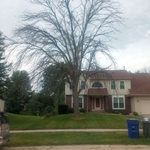
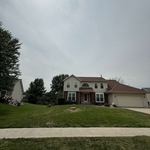
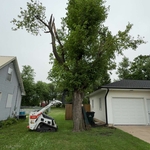
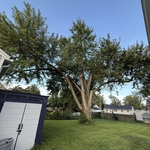
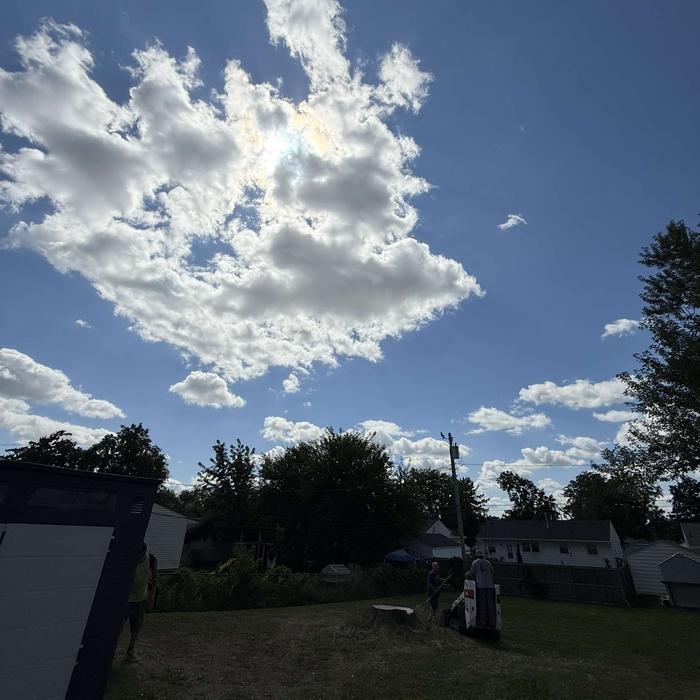
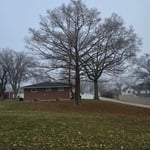
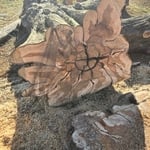
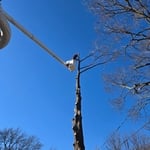
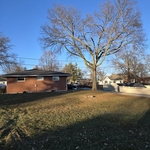
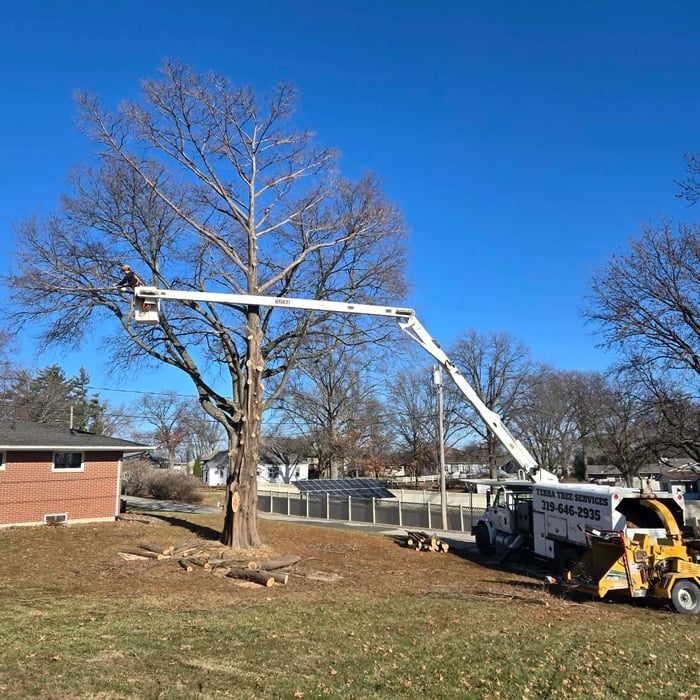
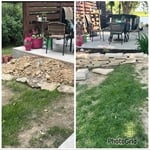
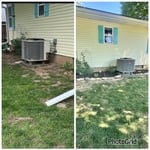
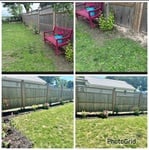
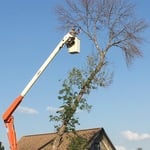
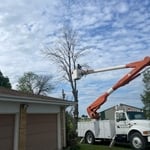
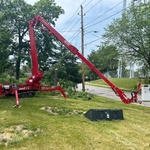
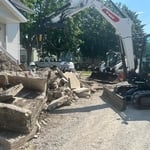
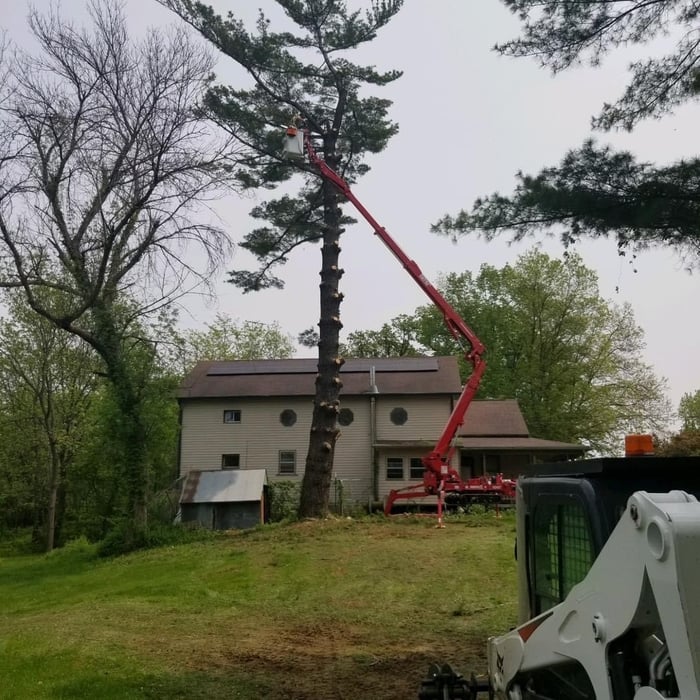
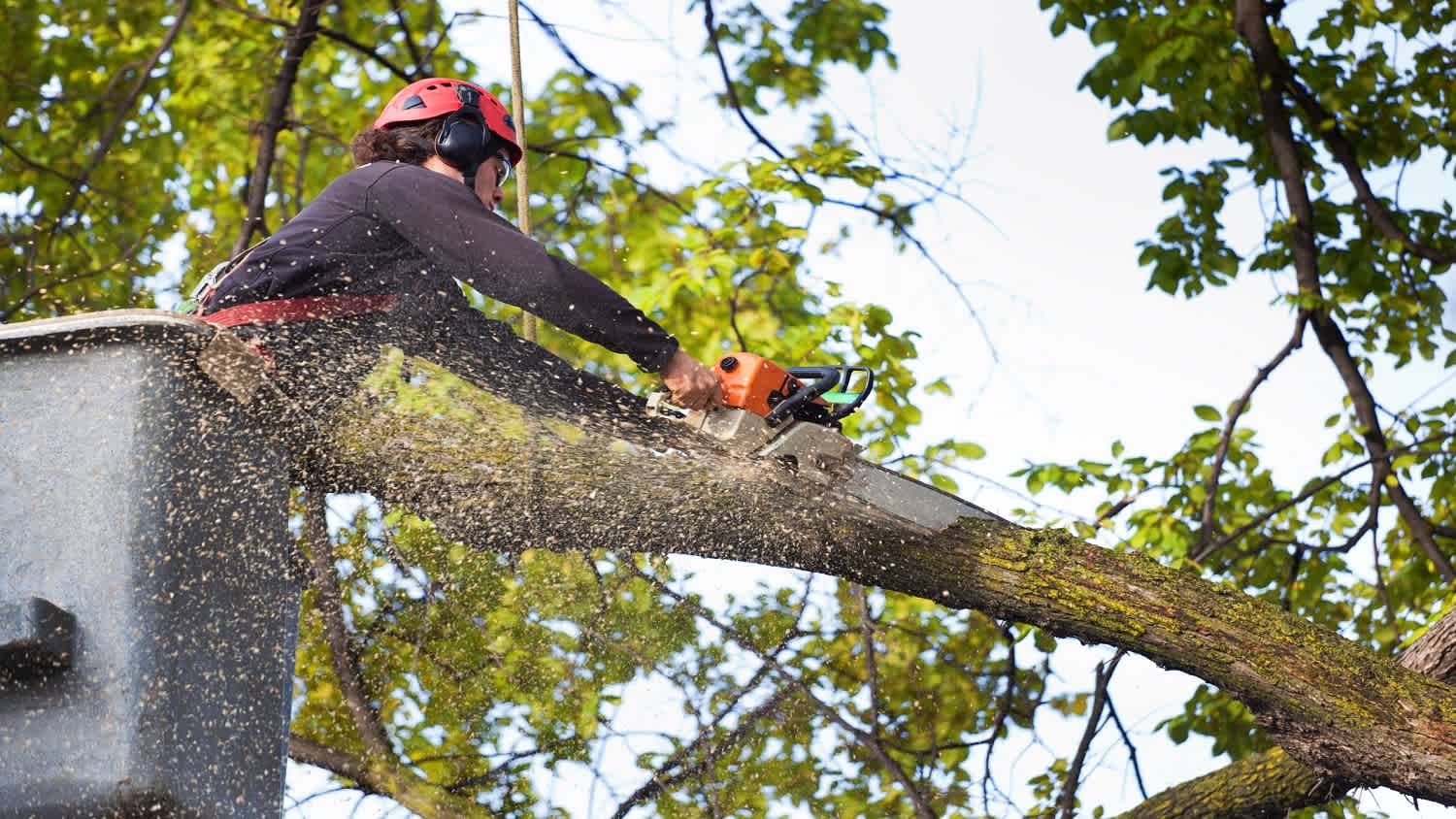
At Erlacher’s Tree Service, we protect your property and enhance your landscape. As a family-owned and operated tree care company right here in Cedar Rapids, we treat your yard with the exact same respect we give our own. From precision trimming of hard-to-reach limbs to complete, safe removals of hazardous trees, our family brings meticulous attention to detail to every single branch.\n\n
"DA is great. He is talented, friendly and very conscientious. He knows what he is doing when it comes to tree removal and management. I would recommend him to anyone. and his prices are very reasonable."
"Mr. Vargas has also mowed our lawn. He has both mowed and removed snow for us for 5 years. He always does a good job. He is prompt and polite and he does a thorough job. He has at times come up to 10:00 pm to make sure he gets all of his customers taken care of."
We pride our company on reliability, great communication, integrity, and quality work. We are experts in our trade and will do our best to keep you as educated as we can on your particular task or project. We look forward to earning your business!
"They showed up and made my yard look way better. Very reasonable and very hard workers. I will definitely hire them more often when I need more work done."
"The Exceptional Edge technicians were very professional and meticulous how maneuvered around to trim my shade tree. I was very impressed how they removed the stump and all the tree limbs without tearing up my yard. Their service was excellent and they have the latest equipment technology."
Big Richard Tree Service is a locally owned and operated tree care company serving Cedar Rapids and communities throughout Eastern Iowa. We specialize in tree removal, tree trimming and pruning, stump grinding, emergency storm cleanup, lot clearing, and hazardous tree takedowns.\n\nOwner Ricardo Larios built this company on hard work, honesty, and second chances. Every job is done with integrity, attention to detail, and respect for your property. We're licensed, bonded, and insured, and we offer free on-site estimates with same-week scheduling in most cases.\n\nWhether you need routine trimming, storm damage cleanup, or removal of a dangerous tree, our crews deliver professional results and full cleanup. Serving Cedar Rapids, Iowa City, Coralville, North Liberty, Hiawatha, Marion, and surrounding areas.\n\nCall (319) 508-3694 or visit https://www.bigrichardstreeservice.com for a free estimate.\n
On grafted trees, tree suckers will grow from the root stock, not the branches grafted onto it. Therefore, the leaves and characteristics of the suckers aren’t the same as the tree because they are different varieties. Root stock has more hardiness, strength, or drought tolerance than its grafted limbs, so if the suckers are from fruit or flowers, it might be different than the main part of your tree.
Common signs that a tree is rotting include dead branches, a leaning trunk, peeling or cracked bark, leaf discoloration, and the presence of fungi. If you notice any of these signs, it’s best to hire an arborist near you to inspect your tree and determine if it can be saved or if it needs to come down.
Salt, herbicide, light deprivation, boiling water, and burning can all help dissolve a tree stump. You can also bury the tree stump in soil or mulch to help it rot naturally. Killing a tree stump prevents future regrowth, but you may also remove it by digging it out or grinding it.
In the short term, you’ll have a lot of fallen trees to deal with. Tree removal services costs typically start at $200 per tree and increase based on species and size. Then, you’ll have to deal with the loss of trees: That means a loss of shade and a greater risk of rain runoff and erosion. Also, you’ll miss out on the health and aesthetic benefits of having trees on your property, which could even affect the resale value of your home.
That being said, cutting down a tree it’s not always a bad idea. Trees growing too close to rooftops can present fire hazards or debris problems. You may need to remove diseased or dying trees to prevent future issues.
Transplanting a palm tree is a similar process except for a couple of important differences. First, their root ball doesn’t need to be as large as a “true” tree, which makes them a bit easier to dig up and move around. Second, they struggle more with taking root and staying upright in a new location, so it’s important to give them extra support when staking.
The Hills, IA homeowners’ guide to tree services
From average costs to expert advice, get all the answers you need to get your job done.
Tree inspections can ensure your trees stay healthy and safe, preventing costly damage. Learn how much tree inspections cost and what can affect the price.
How much does an arborist cost? This guide explains the cost of different services, ongoing expenses, and other factors to consider when hiring an arborist.
Follow these tips to learn how to find a good tree removal service. Doing a little research can help you save time and money when you need to say goodbye to your trees.
You suspect that the leaning oak tree in the back needs to come down, but can you just handle it yourself? Here are the pros and cons of calling a tree service.