








Top-rated woodworkers.

Get matched with top woodworkers in Gilbert, IA

Enter your zip and get matched with up to 5 pros

TRUSTED BY GILBERT, IA HOMEOWNERS

  • Average homeowner rating star icon4.5
    Average homeowner rating
  • Verified reviews icon22
    Verified woodworking services reviews

Find Woodworkers in Gilbert

Avatar for DMF Construction, LLC
DMF Construction, LLC
5.0(
10
)

Serving Gilbert, IA and surrounding areas

Approved

In business since 2020

Free estimates

Small jobs welcome

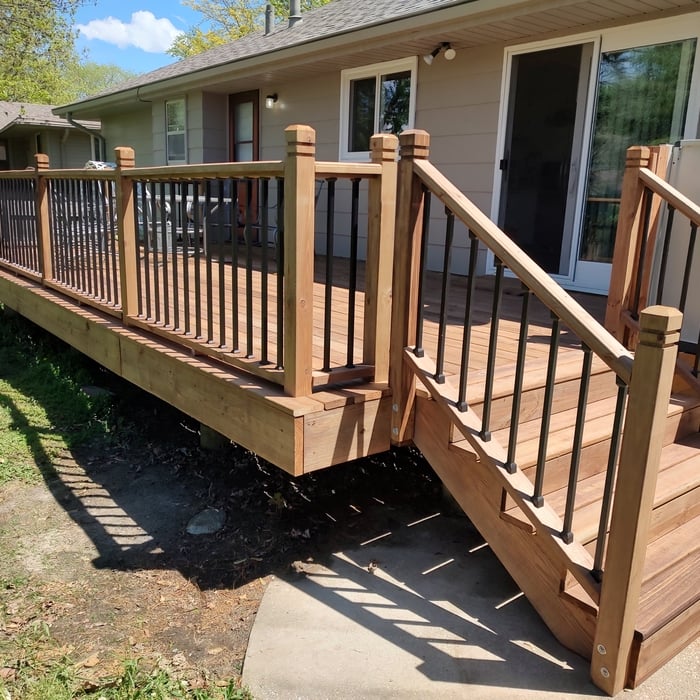
"Derek was amazing to work with. His work is top-notch and he has excellent communication skills. He built our deck quickly and was prompt to clarify any changes to the original plan that were necessary to obtain my approval. I plan to hire him again for additional work!"
Door Interior Install
Door Interior Installation
Door Interior Install
Window Installation
Window Installation

+2

Response time2 days
3 neighbors recently requested a quote
Recommended by60%of homeowners
Avatar for 777 Remodeling, Renovations & Repairs LLC
777 Remodeling, Renovations & Repairs LLC
4.6(
10
)

Serving Gilbert, IA and surrounding areas

Approved

Super Service Award Winner

In business since 2024

Free estimates

Emergency services offered

"This contractor was amazing. This is just one of the many projects he has done in my home. Communication has been on point. The work that has been done is top notch. He was always on time and available to answer my questions. The price point for projects was well with in my range. His willingness to work with me and making changes to the plan was great."
Response time2 days
2 neighbors recently requested a quote

Avatar for Field carpentry
Field carpentry
5.0(
1
)

Serving Gilbert, IA and surrounding areas

Approved

Free estimates

Warranties offered

Small jobs welcome

"Exceptional work and a true professional. Highly recommend and would happily hire Codey again. Codey helped us complete a partially finished basement office by adding trim and casing around two doors and an egress window, installed a bifold closet with trim/casing, and added baseboards around the room. His work was clean and detailed and the room looks great due to this. He also fixed several issues from a previous contractor along the way, including resizing a door cutout that was too small, adjusting another door that never closed properly, and installed a header for the closet that a previous contractor did not. Overall his work was exceptional, he was transparent on all aspects of the project, very polite, and completed ahead of schedule. Highly recommend."
...
Showing 1-10 of 109
Woodworking questions, answered by experts

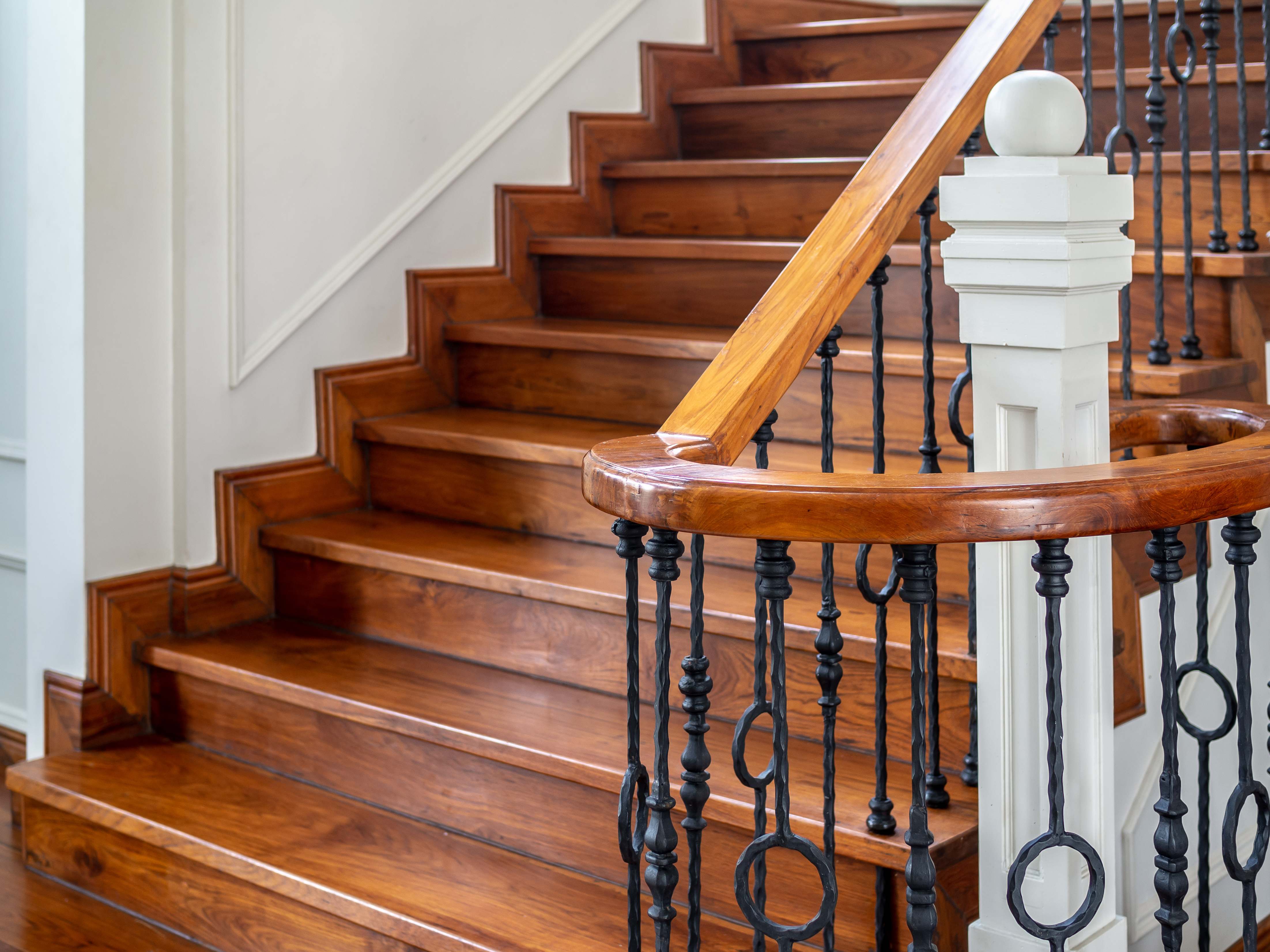
Many people, including professionals in the field, use baluster and spindle interchangeably to describe the vertical components of a railing (or technically, a balustrade). However, there are subtle or distinct differences, depending on who you ask. The most common interpretation is that spindles are thin or delicate versions of balusters.

Floor joists provide support and stability to the flooring installed above them, whether it be hardwood, tile, or carpet. They’re essentially horizontal beams that hold up the subfloor and everything that lies on top of it. Floor joists also help evenly distribute weight across their structure so that it’s shared between walls, beams, and your foundation.

Many modern homes have soffits, but older ones don’t, and you may be wondering why. Older homes have eaves that extend further beyond the home and help to circulate air, negating the need for a soffit. This style of building has faded away, therefore, modern homes need separate soffit installation. Modern soffits are more efficient than this older style and require less material to construct, saving homeowners money.

Balusters provide vertical support to make sure your stair railing and/or deck is as sturdy and safe as possible. These spindles help hold up the railing so people walking up or down stairs have something strong to hold onto. They can also act as a unique design element if they’re custom-made to suit a specific style or size requirement.

Yes, you can find ceiling joists using simple tools if a stud finder isn't available.

Using a hammer requires patience and a keen ear. Gently tap the ceiling in a grid pattern, listening for sound changes. A hollow sound indicates space between joists, while a solid, dull thud suggests a joist. Mark the location with a pencil and confirm by tapping from different angles.

Alternatively, you can use a nail, but this method will leave small holes. You'll feel increased resistance when the nail hits a joist. Mark the spot and repeat the process every 16 or 24 inches to map the joist locations. This method is considered less reliable than using a stud finder.

The Gilbert, IA homeowners’ guide to woodworking services

From average costs to expert advice, get all the answers you need to get your job done.