




Top-rated deck staining pros.

Get matched with top deck staining pros in Fruitland, IA

Enter your zip and get matched with up to 5 pros

Need a pro for your deck staining project in Fruitland, IA?

Select your specific project to find the pro for you.

TRUSTED BY FRUITLAND, IA HOMEOWNERS

  • Average homeowner rating star icon4.8
    Average homeowner rating
  • Verified reviews icon16
    Verified deck staining services reviews

Find Deck staining pros in Fruitland

Avatar for Parceros Construction LLC
Parceros Construction LLC
4.9(
15
)
Exterior Home or Structure - Paint or StainExterior Home or Structure - Paint or Stain: LargeExterior Home or Structure - Paint or Stain: Medium

Serving Fruitland, IA and surrounding areas

Approved

In business since 2017

Free estimates

Emergency services offered

"Not only did we find a great contractor but made new friends. I was very happy to find someone to get some repairs and painting done before winter. Very satisfied with the job. We will hire again for more repair and painting. Laura and Orlando were a delight to work with."
Drywall:Mount Pleasant, IA
Interior Painting: Cedar Rapids, Iowa.
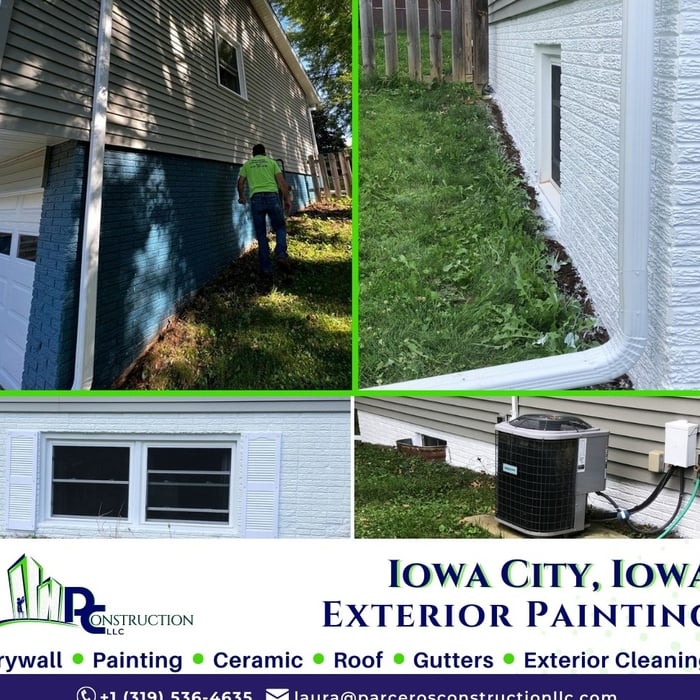
Painting - Exterior: Wilton, Iowa
Painting - Exterior: Iowa city, Iowa

+236

Response time3 days
Response rate100%
2 neighbors recently requested a quote
Showing 1-10 of 26
Deck Staining questions, answered by experts

A wood deck requires annual cleaning and regular inspections for loose or broken boards, nails, and screws. It should be refinished by applying a stain or sealer every two to three years to protect the wood from water damage, rot, mildew, and sun fading. The exact frequency can depend on the climate and the deck's exposure to sun and moisture. If your deck is painted, it will need repainting approximately every 10 years. Signs that your deck needs refinishing include faded, splintering, or warping boards.
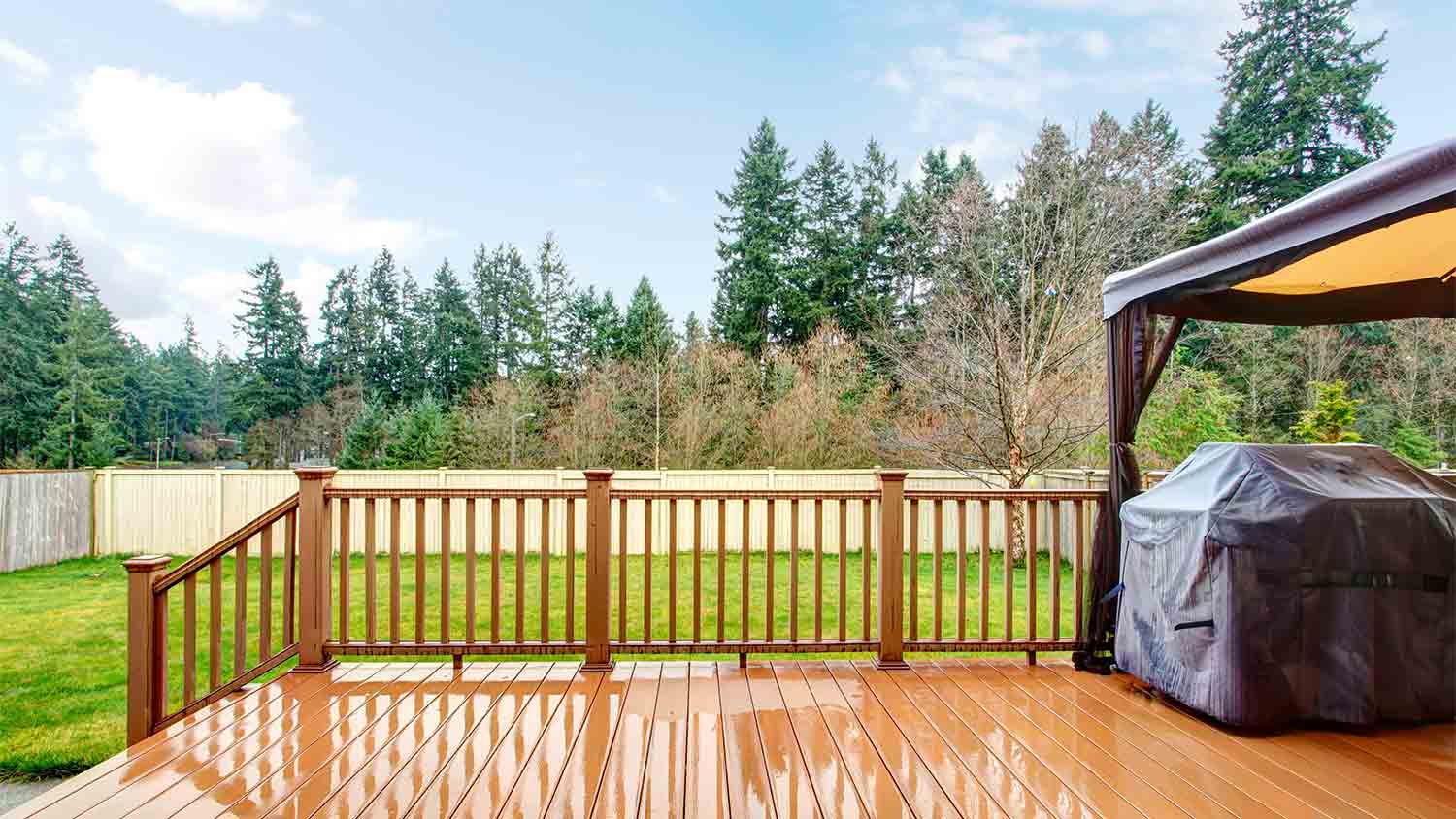
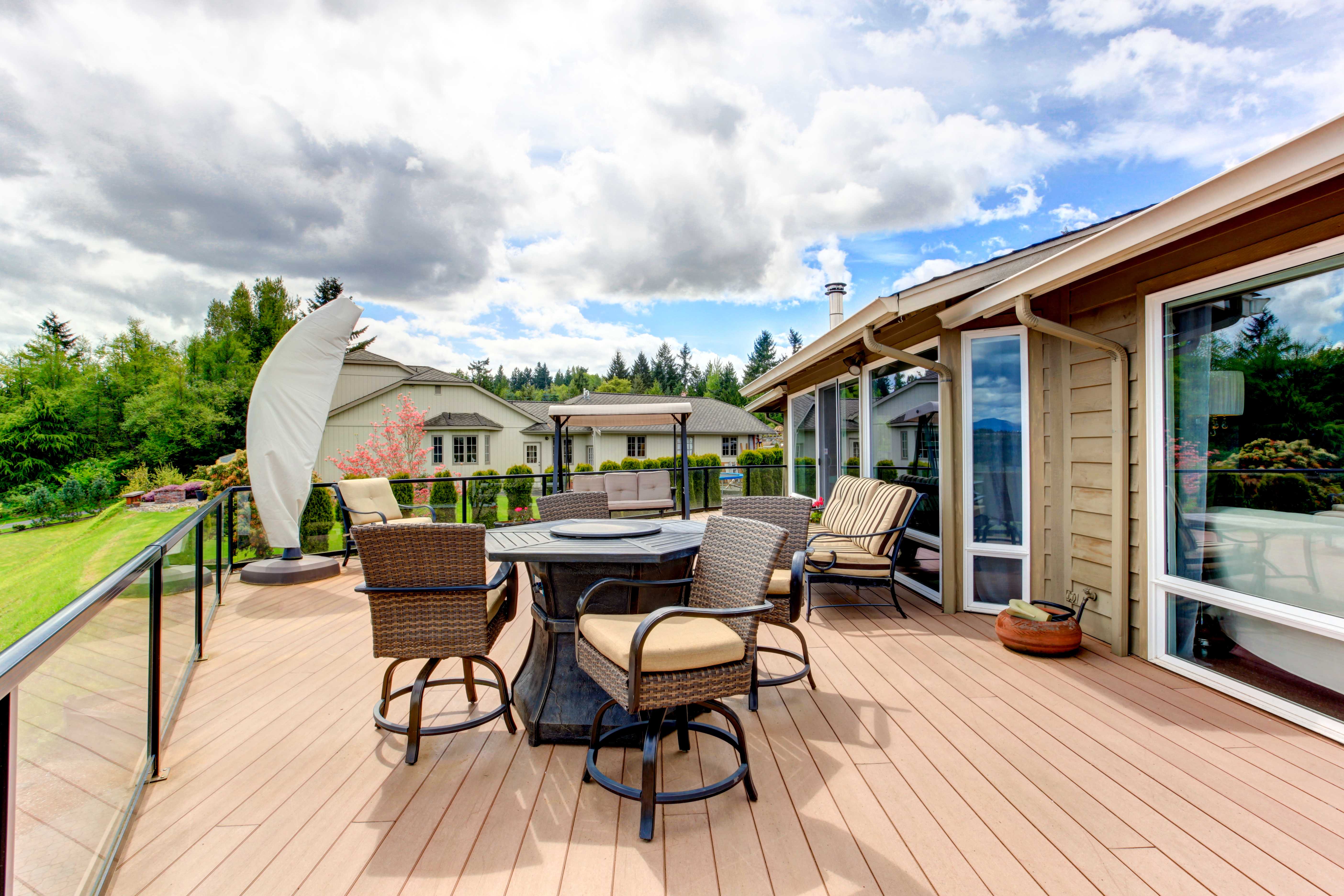
Whether to paint or stain a deck depends on your personal preference for appearance and budget. Stain provides a natural look with a range of undertones, is typically less expensive, and may only require one coat, but it does not last as long as paint. Paint offers a sleeker finish with a virtually unlimited color palette. Both options will protect your deck from outdoor elements like rain, snow, and general wear and tear.

Various kinds of substances and deck preservatives act as protective coatings for wood to prevent rot, which is caused by water getting into the wood and creating cracks and splits. Stains, paints, and sealants are the three best options to protect your wood, but there are also oils, varnishes, and waxes available. You’ll need to reapply sealant at least once per year, and you should inspect your wood deck regularly to look for signs of damage or general wear and tear.

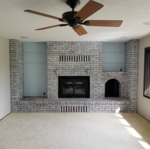
Limewash and whitewash are two techniques used to give brick a light, matte finish, but they differ in composition, application, and permanence. The best choice depends on your aesthetic goals and the specific surface.

Composition

  • Limewash: A natural and environmentally friendly option made from limestone, water, and sometimes pigments. It is breathable and soaks into porous surfaces like brick.

  • Whitewash: Traditionally made from lime, water, chalk, and binders, but a similar look can be achieved with watered-down white paint. It is paint-based and sits on top of the surface.

Appearance and Finish

  • Limewash: Provides a natural, textured appearance that allows the brick's character to show through. It offers a more traditional finish.

  • Whitewash: Creates a softer, more opaque finish, often used for a rustic or shabby-chic style.

Application and Permanence

  • Limewash: Is semi-permanent and can be removed, making it a good choice if you might want to change the look in the future. It requires more skill to apply and cannot be used on previously painted brick.

  • Whitewash: Is a more permanent solution. It is more forgiving to apply and can be used on painted brick. However, because it sits on the surface, it can trap moisture.

Ultimately, if you want a breathable, natural, and reversible finish for unpainted brick, limewash is a great option. If you need a more permanent, opaque coating that can be applied over painted surfaces, whitewash is the better choice. Whitewashing may also be more economical, costing approximately $1.40 to $4.20 per square foot.

Provided conditions are ideal, staining an entire deck should take as little as a couple of hours and up to a couple of days to apply and cure. Additional procedures, like sealing a deck or using additional treatments, may extend the project by a few additional days.

The Fruitland, IA homeowners’ guide to deck staining services

From average costs to expert advice, get all the answers you need to get your job done.