






Top-rated landscapers.

Get matched with top landscapers in Fremont, IA

Enter your zip and get matched with up to 5 pros

Need a pro for your landscaping project in Fremont, IA?

Select your specific project to find the pro for you.

Find Landscapers in Fremont

Avatar for Titan Excavating, LLC
Titan Excavating, LLC
5.0(
25
)
Designer - LandscapeLandscape - Minor Grading or ReslopingLandscape - Minor Grading or Resloping - For Business+5 more

Serving Fremont, IA and surrounding areas

Approved

In business since 2020

Free estimates

Emergency services offered

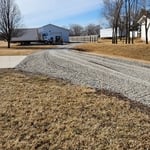
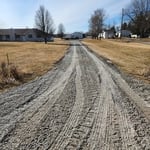
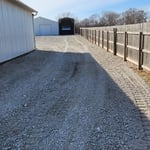
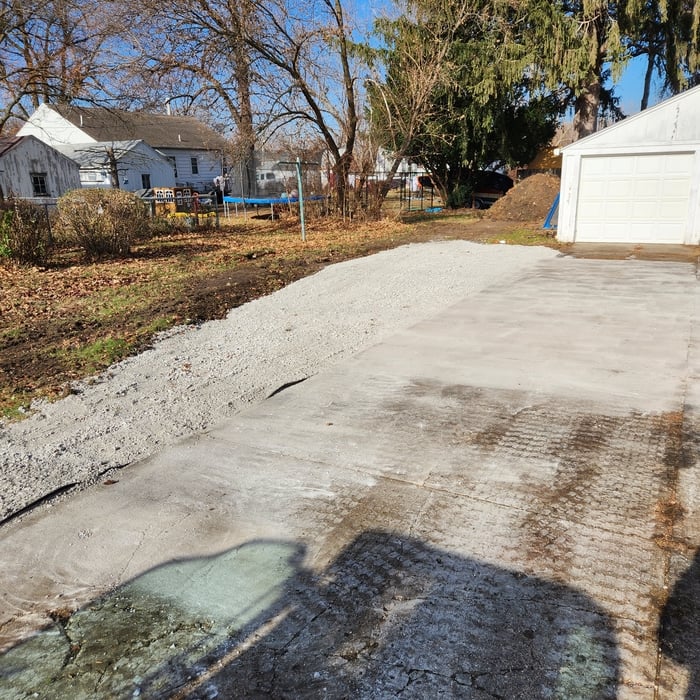
"They arrived on time as scheduled. The dirt delivered was excellent quality and not full of large clumps ! It was easy to spread in the yard. I have had dirt delivered in the past, but never the quality of Titan"

Parking
Drive
Drive
Drive
Parking

+25

Response time9 hrs
11 neighbors recently requested a quote
Recommended by80%of homeowners

Avatar for Bernd's Pond
Bernd's Pond
5.0(
11
)
Architect - LandscapeDesigner - LandscapeDrywell - Construct or Rebuild+8 more

Serving Fremont, IA and surrounding areas

In business since 2012

Free estimates

Emergency services offered

"He started from a couple of ideas that I wanted in a pond and created the pond of my dreams. He added lights that I just love. We enjoy our pond during the day,but really love to sit at night and watch the Koi swim. We don't need to go on vacation to relax, we just go outside to be by the pond."
Additional Photos
Additional Photos
Additional Photos
Additional Photos
Additional Photos

+20

Recommended by100%of homeowners
...
Showing 1-10 of 68
Landscaping questions, answered by experts

Grass is the most popular and safest option for planting over a septic drain field, but you can also plant small flowering plants and other lightweight plants that don’t have woody or deep roots. Avoid trees and bushes within 10 feet of the field, as the woody roots can crack the perforated pipes. You should also avoid planting vegetable or fruit gardens over your drain field, as a leak from the pipes could contaminate the soil and put anyone who eats the produce at risk.

If you don’t like the way your empty drainage ditch looks, reach out to a local landscaping professional to discuss your options. They may be able to liven it up with plants, stones, bushes, or other decorative elements. You can also add your own landscaping, but you should first make sure that it won’t block your ditch or prevent it from operating effectively.

Yes, you can absolutely transplant bushes instead of removing them completely. The success depends on the size of the bushes, their age, and the transplanting season. Ideally, transplant during the dormant season (late fall or winter). Dig out the entire root system in one piece, fill the new hole with fresh soil and mulch, and water thoroughly after planting.

The average cost for landscaping is around $3,500, but prices can range from as low as $200 for simple DIY projects to $14,000 or more for extensive work. Several factors influence the final price, including your geographic location, yard size, project scope, chosen materials, site preparation, and the type of landscaping involved. Professional landscaper labor costs typically range from $50 to $100 per hour.

For a smaller budget, you can focus on softscaping projects like adding mulch, flowers, and shrubs, which might only cost a few hundred dollars if you do the work yourself. A budget of around $5,000 could cover projects like a simple patio, new plants and tree trimming, or a water feature. More extensive hardscaping projects, such as pergolas, patios, and walkways, can push the budget to $14,000 or more. For example, a flower bed installation averages between $800 and $3,000, while landscape lighting installation can cost from $2,000 to $6,000.

While you can leave roots in the ground, if you don’t want the shrub to regrow again over time, it’s best not to leave any roots behind. Ensure you remove as much of the shrub as possible, including the root ball and any main roots you can see, to prevent new growth. Some gardeners opt for using a chemical treatment to prevent the stump from growing back, but this can kill beneficial microorganisms living in your soil.

The Fremont, IA homeowners’ guide to landscaping services

From average costs to expert advice, get all the answers you need to get your job done.