

Top-rated landscapers.

Get matched with top landscapers in Washington, IA

Enter your zip and get matched with up to 5 pros

Need a pro for your landscaping project in Washington, IA?

Select your specific project to find the pro for you.

Find Landscapers in Washington

Avatar for Adam Exterior Design
Adam Exterior Design
New to Angi
Designer - LandscapeLandscape - Soil, Sand, Mulch and Rock DeliveryLandscape Curbing - Install+1 more

Serving Washington, IA and surrounding areas

Approved

In business since 2020

Free estimates

Small jobs welcome

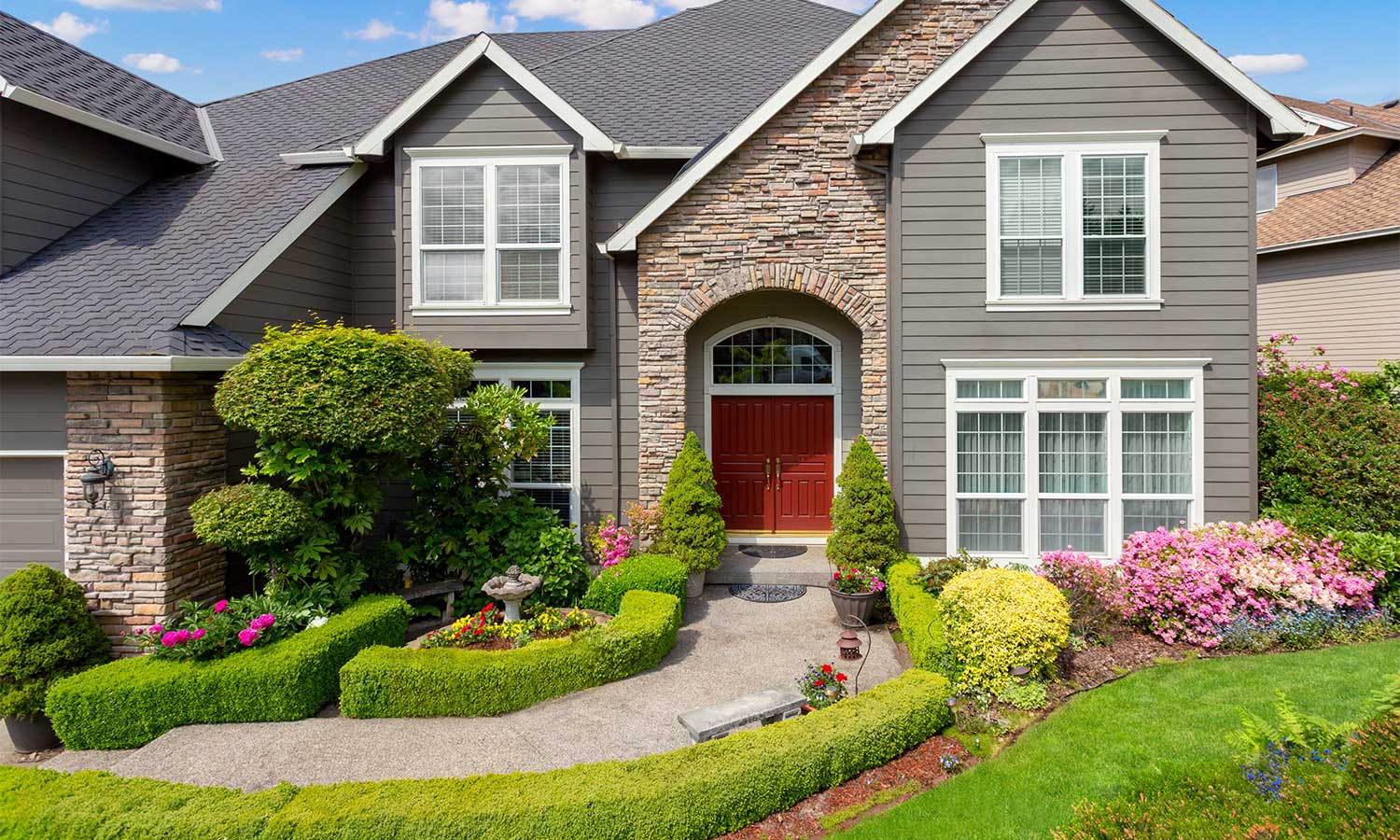
Adam Exterior Design is here to make your home and yard look it's best with curb appeal. From landscaping design to decorating your garden to bringing the spark back out of your home. We have you covered. We work efficiently with your plans in mind to ensure your happiness with the result every time. We also love putting our input in to open up options. We look forward to hearing from you. Give us a call today!

Response time5 days
...
Showing 1-10 of 86
Landscaping questions, answered by experts

It depends. Smaller, younger trees take longer to mature, but they're more resilient, their roots don't get as damaged during transplanting, and they recover faster. Plus, they're much more affordable to plant, and it's possible to DIY the planting. 

On the other hand, mature trees produce fruit faster and provide more shade and privacy immediately. Ideally, a small or medium tree is the better choice if you can wait a few years for it to mature. But if you need immediate maturity, a larger tree is the only option.

It’s usually best to buy plants from a local greenhouse or nursery yourself, but landscapers are also a reliable option. First, you can choose exactly what plants you want based on their appearance rather than relying on your landscaper to choose. Additionally, while it’s more time-consuming to go buy the plants yourself, you’ll often save money because landscapers charge for delivery and may upcharge the plants. You can also speak to a professional at a nursery to ensure you understand how to care for your plants and get the most long-term value.

If you use the wrong plants for your gardening zone, you’ll likely get less than desirable yields from them. In some cases, your plants can even die. It’s important to ensure that your plants are able to survive in your hardiness zone before getting them into the ground.

Grass is the most popular and safest option for planting over a septic drain field, but you can also plant small flowering plants and other lightweight plants that don’t have woody or deep roots. Avoid trees and bushes within 10 feet of the field, as the woody roots can crack the perforated pipes. You should also avoid planting vegetable or fruit gardens over your drain field, as a leak from the pipes could contaminate the soil and put anyone who eats the produce at risk.

Yes, you can absolutely transplant bushes instead of removing them completely. The success depends on the size of the bushes, their age, and the transplanting season. Ideally, transplant during the dormant season (late fall or winter). Dig out the entire root system in one piece, fill the new hole with fresh soil and mulch, and water thoroughly after planting.

The Washington, IA homeowners’ guide to landscaping services

From average costs to expert advice, get all the answers you need to get your job done.