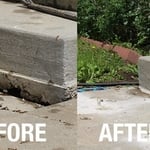
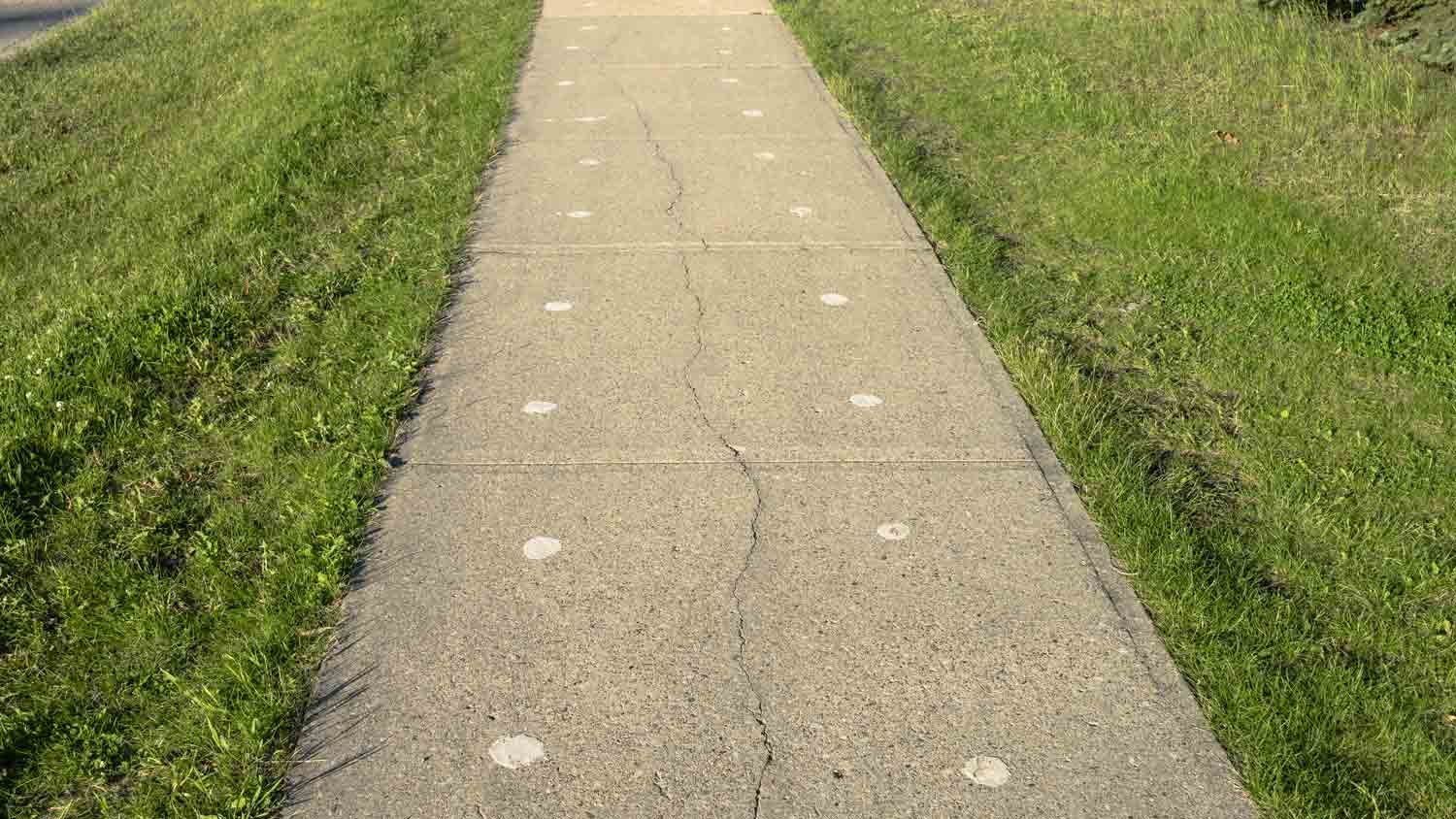
"They did great. The entire surface was level and free from tripping hazards. It is important to have them seal the cracks because there will be water from snow melt and the concrete will move. This will get you the 5 yr warrantee just in case."
J's Excavating & Landscaping is committed to excellence every aspect of our business. We uphold a standard of integrity bound by fairness, honesty and responsibility in all of our jobs. We are a locally owned and operated business with more than 3 years of experience serving Randalia, IA and surrounding areas. There is no job too big, or too small for our team. Call today and let us put our experience to work for you!
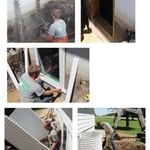
"Dug holes in garage slab to connect plates from outside to inside with threaded rod and filled holes with concrete. My task was to use large wrench they provided to tighten the nuts on the outside after concrete had time to set. One wall was over 1/2 inch from slab before tightening and the other was over 1/4 inch. After a few weeks I had the gap for both too small to measure. Over 6 months later and all is well. Very professional job."
I’m a very dedicated person and take pride in my work, I’m very focused on msking my customers satisfied, and always finish the job with a happy customer,
We pride our company on reliability, great communication, integrity, and quality work. We are experts in our trade and will do our best to keep you as educated as we can on your particular task or project. We look forward to earning your business!
Trenching and boring are two distinct methods for installing underground utilities. Trenching involves digging a channel using equipment like an excavator, trencher, backhoe, or shovel. While it is a simpler process, it causes significant disruption to the surface, landscaping, and surrounding ecosystems.
Boring, also known as directional boring, is a less invasive alternative that uses a drill to create a tunnel for utility lines without disturbing the surface. This method is more precise and is ideal for installations that need to go underneath buildings, roads, or bodies of water. Although boring is less disruptive, it is generally more expensive than trenching.
It restores concrete, prevents replacement cost disruptions, reduces trip hazards, and provides stability at a lower cost.
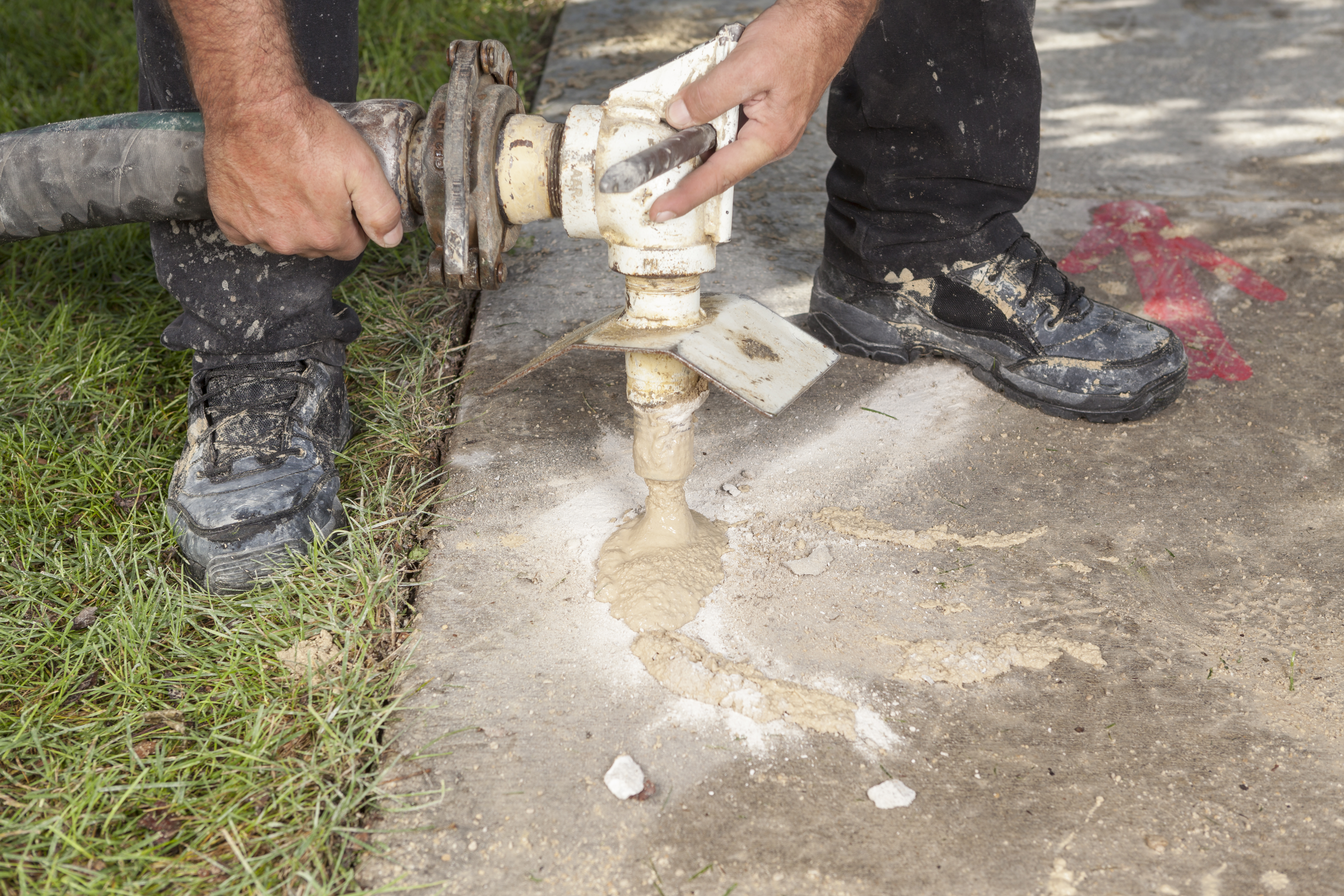
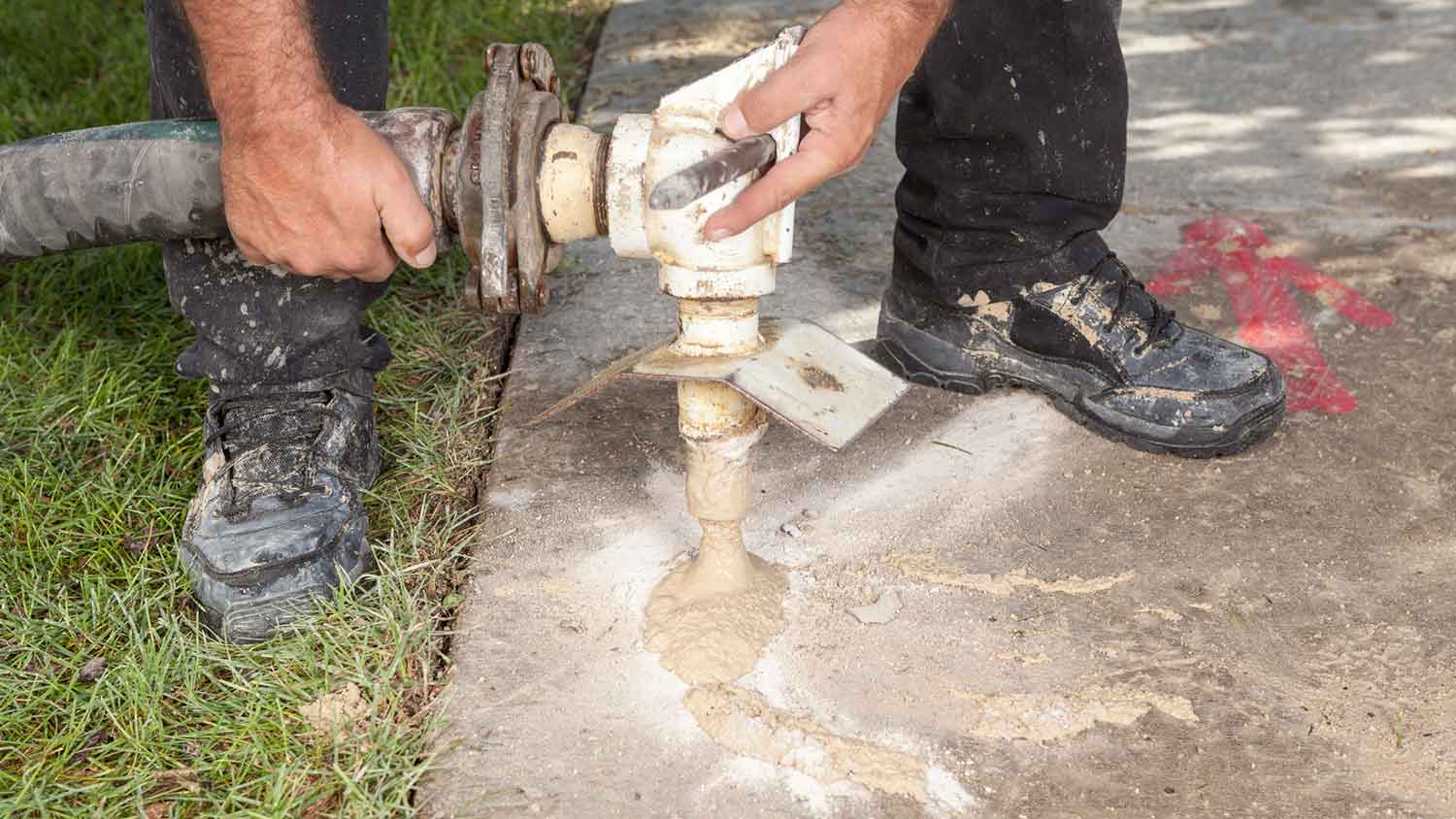
Polyjacking and mudjacking can both be effective solutions for sinking concrete, but they have key differences. Polyjacking, which uses expanding polyurethane foam, is often considered a better option because the foam is significantly lighter than the cementitious material used for mudjacking. This reduced weight puts less pressure on the underlying soil and lowers the risk of future sinking. Polyjacking is suitable for any sinking concrete slab, while mudjacking is typically only recommended for non-structural concrete, such as sidewalks, patios, pool decks, and driveways. The primary drawback of polyjacking is its cost, which can be up to four times higher than mudjacking—as much as $25 per square foot compared to a maximum of about $6 per square foot for mudjacking.
Most houses are expected to settle over time, but foundation sinking of more than a few inches or uneven sinking of more than an inch for every 20 feet is cause for concern. Any significant or uneven sinking should be assessed by a professional to determine the cause and perform any necessary repairs.
Polyjacking can be a permanent solution to sunken concrete if you also address the underlying issue—like poor drainage—at the same time. The polyurethane material itself can last as long as or even outlast the concrete you’re lifting it with. Your sunken concrete issue will likely return if you don’t couple polyjacking with proper drainage to prevent future soil movement and sinking.
The Fort Atkinson, IA homeowners’ guide to concrete mudjacking services
From average costs to expert advice, get all the answers you need to get your job done.
DIY mudjacking is an advanced task, but learning how to raise a concrete slab is great to know for many scenarios. Let's take a look at how to DIY mudjack.
Sunken concrete can be a structural issue, but a professional can easily repair it. Ask these concrete injection leveling and mudjacking questions before you hire.