





Top-rated weed maintenance pros.

Get matched with top weed maintenance pros in Colfax, IA

Enter your zip and get matched with up to 5 pros

Need a pro for your weed maintenance project in Colfax, IA?

Select your specific project to find the pro for you.

TRUSTED BY COLFAX, IA HOMEOWNERS

  • Average homeowner rating star icon4.4
    Average homeowner rating
  • Verified reviews icon73
    Verified weed maintenance services reviews

Find Weed maintenance pros in Colfax

No results for Weed maintenance pro in

Try adjusting your search criteria.
Weed Services questions, answered by experts

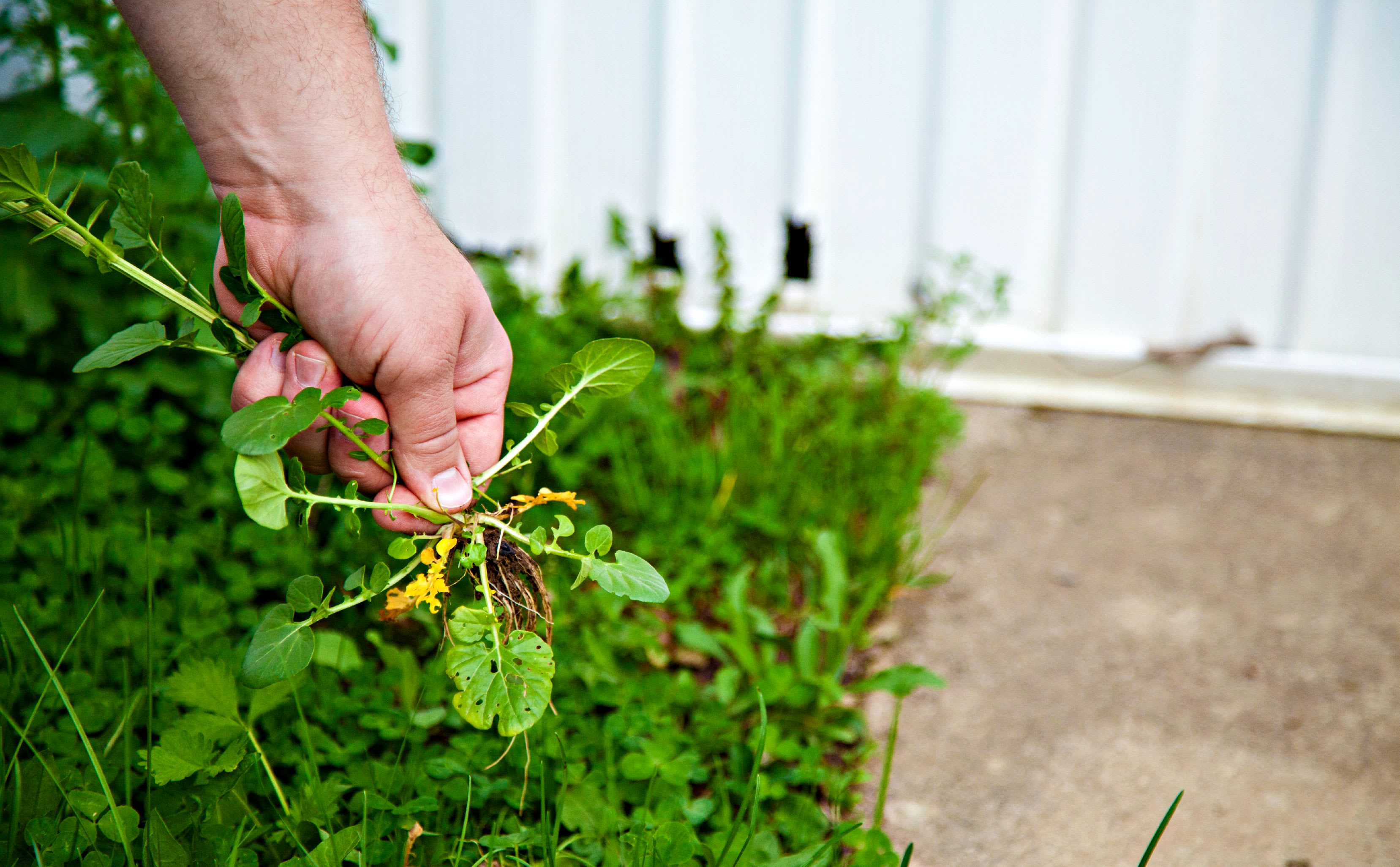
A spot herbicide for weed control is effective at killing crabgrass and not grass, but it depends on the type of herbicide. Always check the label to ensure that your herbicide is safe for grass but tough on crabgrass. Overall, spot treatment is ideal because it puts fewer herbicides into the soil, which can damage the soil. If you’re wanting a natural remedy to crabgrass that also won’t harm surrounding grass, you can also hand-remove crabgrass or even pour boiling water or 5% vinegar over crabgrass as a spot treatment.

Look for a broadleaf herbicide, one that has been formulated specifically for dandelions and is considered grass-safe.

The hydroseed mix—known as a slurry—helps grass seed take root in many ways. Water combines with the mulch, allowing the grass seed to stay moist while grounded in the soil. The extra fertilizer then provides the boost the seed needs to flourish. In just a few weeks, you'll be ready to break out the lawnmower again.

There are organic herbicide options that will kill grass but not flowers, including white vinegar or a dish soap solution. Commercial selective herbicides can also target grass over other plants, but read the instructions carefully to avoid damaging your garden. Herbicides that kill grass but not flowers usually include ingredients like clethodim and sethoxydim. Otherwise, your best bet will be to weed by hand.

Too much clover in your lawn can indicate several issues with your soil. Clover can thrive in soils with abnormally high pH, low-cut grass, and low nitrogen. Amending these issues can push clover out for good.

Hardy perennial clover loves the low nitrogen and compact conditions that often come with poor, infertile soils. But other factors also contribute to a clover explosion, including drought conditions, cool temperatures, under fertilization, and over-irrigation. You’ll need to evaluate all these elements when planning to kill off the clover.

The Colfax, IA homeowners’ guide to weed maintenance services

From average costs to expert advice, get all the answers you need to get your job done.