
Top-rated sonic cleaning pros.

Get matched with top sonic cleaning pros in Camanche, IA

Enter your zip and get matched with up to 5 pros

Need a pro for your sonic cleaning project in Camanche, IA?

Select your specific project to find the pro for you.

Find Sonic cleaning pros in Camanche

Avatar for River City Power Wash
River City Power Wash
4.5(
4
)
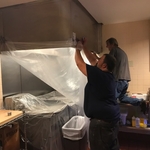
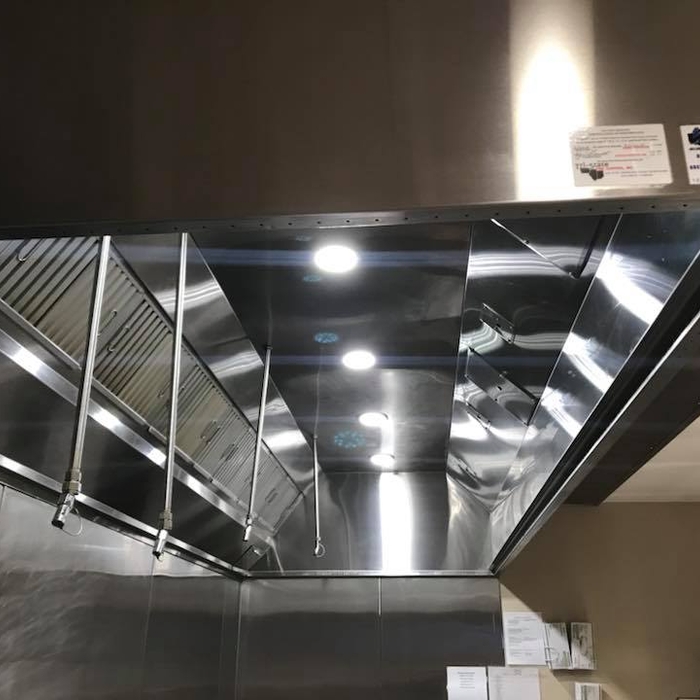
Range & Hood - Clean - For Business

Serving Camanche, IA and surrounding areas

Approved

In business since 2015

Free estimates

Credit card accepted

"We use Scott and his crew for commercial hood cleaning, they go above and beyond, on-time and reliable. The staff are very nice and knowledgeable. My favorite part about using them is once they are done you would never know they had been there they CLEAN UP after themselves!"
Hood 5
Hood 4
Hood 1
Hood 2
Hood 3

+1

Response time1 day
2 neighbors recently requested a quote
Recommended by100%of homeowners
Avatar for Shine Bright cleaning
Shine Bright cleaning
New to Angi
Maid ServiceOne Time Interior House Cleaning

Serving Camanche, IA and surrounding areas

Approved

Free estimates

Emergency services offered

Small jobs welcome

Hi, my name is Myla, owner of Shine Bright cleaning. Though my business is brand new I have invested over 10 years in perfecting the art of expert housekeeping in all environments be it residential or commercial. I am not too good to clean and clean right.

...
Showing 1-10 of 86
Sonic Cleaning questions, answered by experts

You should avoid using a pressure washer on any surface or item that could be damaged by the high-pressure spray, as some materials are too delicate to withstand the force.

Key items and surfaces to avoid include:

  • Electrical Components: Never pressure wash electrical systems, as water can cause short-circuits and create a safety hazard. This includes utility meters, breaker boxes, electrical outlets, generators, and HVAC or air conditioner units.

  • Delicate and Fragile Materials: Fragile items can crack, shatter, or be stripped by the pressure. Avoid pressure washing windows, glass, light fixtures, shingled roofs (especially asphalt), and stucco.

  • Painted, Stained, or Sealed Surfaces: Unless your goal is to strip the finish, do not pressure wash painted surfaces, stained wood (like decks), or anything with a protective seal that could be stripped away. Be especially cautious with older surfaces that may contain lead paint.

  • Soft Woods and Certain Decking: Delicate surfaces like softwood, composite decking, and antique or wooden patio furniture can be etched or damaged. If you must wash wood, use a lower-powered pressure washer with a wide-angle nozzle to prevent damage.

  • Living Things: Never use a pressure washer on people, pets, or plants. The force can cause serious injury and will destroy landscaping.

An improper DIY roof cleaning could cause leaks by damaging the roofing material. Things like using too much water pressure on the shingles or applying a harsh cleaning solution could cause damage. If you do enough damage, you could harm the ability of the shingles or other roof materials to keep water out of your home.

Leaving a significant amount of snow on your roof can be risky. Most roofs are designed to handle about 20 pounds per square foot of snow, but exceeding this limit can lead to a roof collapse. A collapse can cause severe damage to your home and belongings and poses a physical danger to anyone inside. Furthermore, heavy snow accumulation increases the risk of ice dams, which can cause leaks and water damage to your roof, attic, and interior walls.

The average cost to clean a roof is around $500, but prices can fall between $150 to $1,000 or more. The size and complexity of your roof are the most significant cost factors, as larger roofs and those with various bump-outs and gables will increase your cost. Your roof material will also make a difference. An asphalt roof will require more labor, as your professional will need to be careful not to damage the shingles. A metal roof can stand up to more intense scrubbing and shouldn’t take as long to clean.

Soft washing chemicals typically consist of a mix of sodium hypochlorite (or a chemical component of bleach) and water. While sodium hypochlorite and bleach are often thought to be the same thing, there is one small but key difference between the two: sodium hypochlorite comes in powdered rather than liquid form, which means that it’s also more concentrated and more effective from less product overall.

The Camanche, IA homeowners’ guide to sonic cleaning services

From average costs to expert advice, get all the answers you need to get your job done.