







Top-rated asphalt driveway pros.

Best asphalt driveway pros near Kamuela, HI

Enter your zip and get matched with up to 5 pros

Need a pro for your asphalt driveway service project in Kamuela, HI?

Select your specific project to find the pro for you.

Top-Rated Asphalt driveway pros in Kamuela - Updated Nov 2026

Awai & Sons Concrete
New to Angi
Concrete Driveways & Floors - Install- For BusinessConcrete Driveways - Install

Serving Kamuela, HI and surrounding areas

Approved

In business since 2010

Free estimates

Offers commercial services

We pride our company on reliability, great communication, integrity, and quality work. We are experts in our trade and will do our best to keep you as educated as we can on your particular task or project. We look forward to earning your business! Book with us online or feel free to give us a call today!

Response time2 days
Avatar for SP2 Construction LLC
SP2 Construction LLC
5.0(
1
)
Concrete Driveways & Floors - Install- For BusinessConcrete Driveways - Install

Serving Kamuela, HI and surrounding areas

In business since 2020

Free estimates

Credit card accepted

"I needed someone to put up some fencing around my property. Sean and his crew did an awesome job! They were efficient and finished the job in a timely manner. I’d definitely use SP2 construction again in the future"
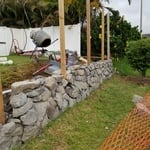
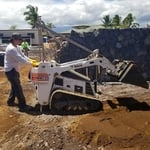
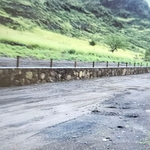
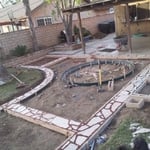
Additional Photos
Additional Photos
Additional Photos
Additional Photos
Response rate100%
Recommended by100%of homeowners
Showing 1-10 of 24
Asphalt Driveways FAQs, answered by experts

Asphalt is not a type of concrete. While both are a common type of pavement, asphalt is composed of aggregates (like sand and gravel) and bitumen; concrete is a mixture of cement, aggregates, and water. Here are some of the key differences between asphalt and concrete driveways.

The dimensions of a driveway apron vary based on local building codes, the width of your driveway, and the distance between the driveway and the road. On average, aprons range from 12 to 24 feet wide and 8 to 18 feet long. Typically, the end of the apron connected to the driveway matches its width—such as 10 to 12 feet for a single-car driveway—while the end at the street flares out to allow cars to turn in and out more easily. In some areas, you may not be responsible for the portion of the apron that extends beyond the sidewalk, but this depends on local laws.

While some areas may allow for a slope of up to 20%, this is often the maximum slope for driveways, with a few exceptions of up to 25%. Other regions may have a maximum of 12%, 15%, or 18%, so check with your local building department to ensure you’re laying a driveway that is up to code for your location.

By grading and compacting the base soil, ensuring proper drainage and stability.

The answer to whether or not you need to get a permit before you start your driveway can vary widely based on local ordinances and the scope of your driveway ideas. In most urban and suburban areas, a permit is needed before building a new driveway to ensure that a homeowner is using safe materials and proper drainage practices while designing and constructing a new driveway. In some rural areas, a homeowner may not be required to apply for a permit. When building a new driveway on your own, always check with your local building department to see if you need to request a permit. When hiring a driveway contractor, verify that the right permits are being used before driveway construction begins.

The Kamuela, HI homeowners’ guide to asphalt driveway services

From average costs to expert advice, get all the answers you need to get your job done.