
Top-rated lead testing and removal specialists.

Best lead testing and removal specialists near Hilo, HI

Enter your zip and get matched with up to 5 pros

Need a pro for your lead testing and removal project in Hilo, HI?

Select your specific project to find the pro for you.

Top-Rated Lead testing and removal specialists in Hilo - Updated Nov 2026

Ohana Environmental Construction Inc.
New to Angi
Toxic Lead - Abatement

Serving Hilo, HI and surrounding areas

In business since 1996

Free estimates

Credit card accepted

Ohana Environmental Construction, Inc. is experienced in hazardous material removal in the Honolulu, HI region. We handle asbestos removal, black mold removal, and more. Get an inspection from a member of our team today and find out more about what we can do to make your home or business as safe as it can be. Please get in touch with our staff to schedule an estimate or an inspection. We'll take great care of you!


Lead Testing and Removal FAQs, answered by experts

Yes, testing professionals typically provide reports with recommendations for safe lead removal.

According to the Environmental Protection Agency (EPA), hazardous waste is generally classified into four main categories:

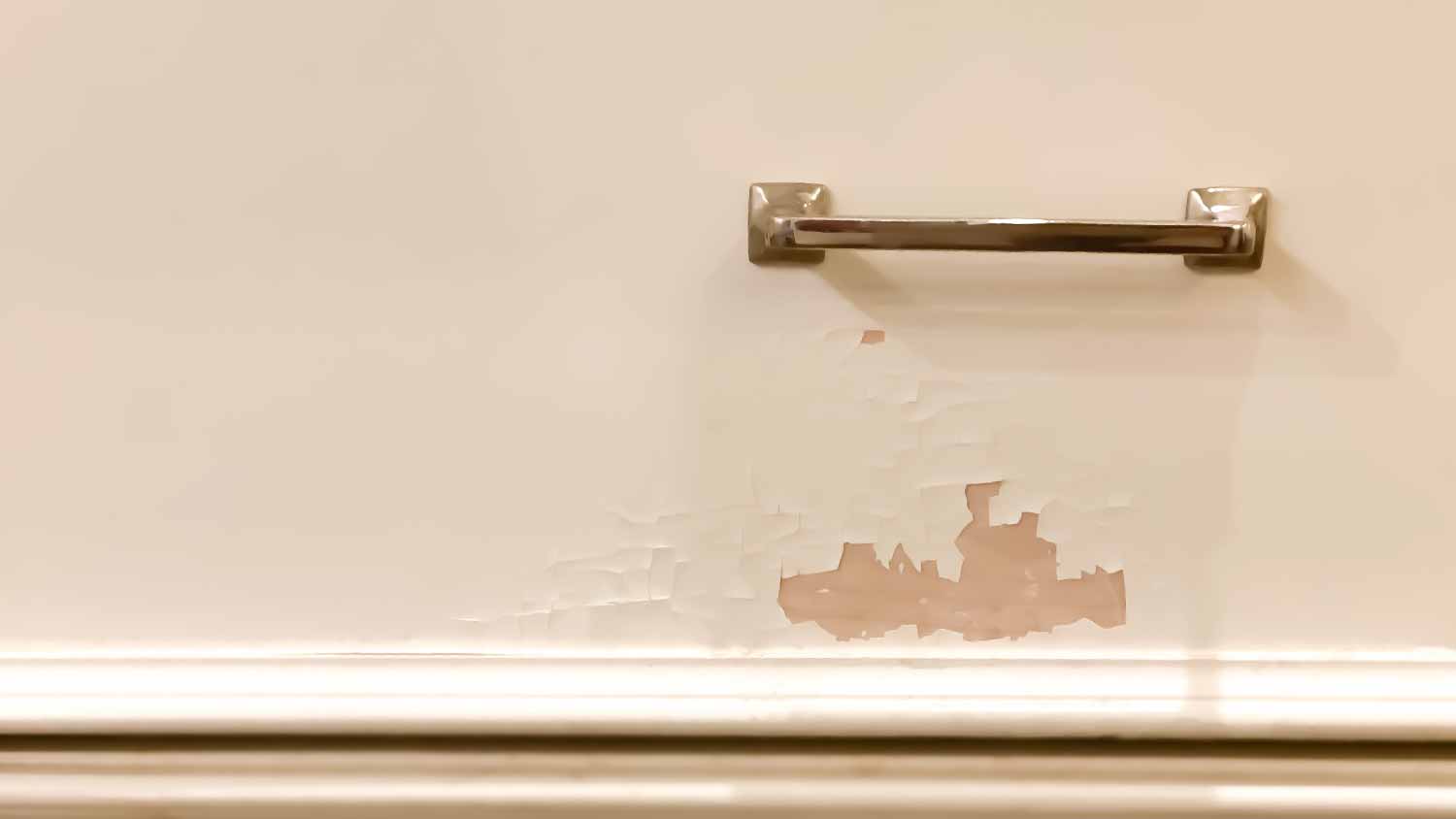
1. Characteristic Wastes: These exhibit at least one of four hazardous traits: ignitability (flammable, like gasoline), corrosivity (can rust or decompose materials, like car batteries), reactivity (unstable and can explode, like aerosol cans), or toxicity (harmful when ingested, like lead-based paint).

2. Listed Wastes: These are specific wastes from manufacturing and industrial processes that the EPA has officially designated as hazardous. They include byproducts from processes that use solvents, pesticides, and other chemicals.

3. Universal Wastes: These are commonly generated hazardous items that are subject to streamlined regulations. Examples include batteries, pesticides, mercury-containing equipment (e.g., bulbs), and some lamps.

4. Mixed Wastes: This category includes waste that contains both hazardous and radioactive components, making it subject to regulation by both the EPA and the Nuclear Regulatory Commission.

No, a standard home inspection includes the basics and does not offer lead paint testing. Professional lead paint inspectors need specific licenses to perform these inspections, which not all home inspectors have. If you suspect lead paint in the home you are about to purchase, you will need to pay separately to have that done. If the findings come back positive, you may be able to negotiate with the buyer to cover the cost of the removal.

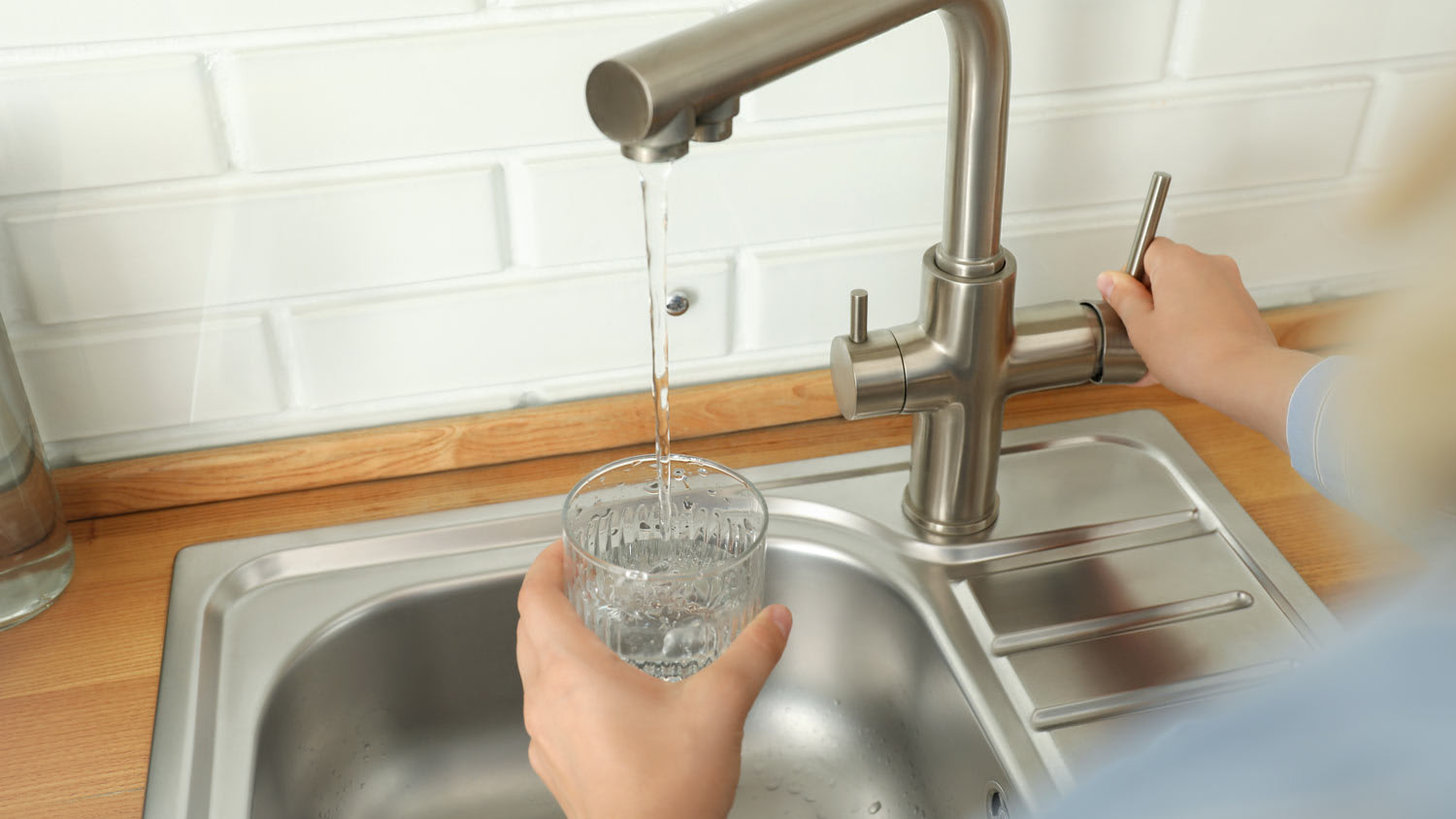
With regular testing, treatment, and maintenance, water from a community well should be safe to drink. Unfortunately, the EPA does not regulate private wells, and contamination can happen. 

If you have doubts about the quality and safety of your drinking water, you have options for testing. You can pick up kits from your local home supply store or harvest samples and send them to a local testing facility. To get the most complete water quality testing and system diagnosis, seek a local well professional. They know what to test for and can recommend and implement a longer-lasting solution.

Some of the signs that could mean your water is contaminated, such as cloudiness or bubbliness, could also be non-problems that don’t affect your water’s potability. However, if your water smells or tastes strange, it’s a good idea to stop drinking it and test it immediately. If your well water is contaminated, the best way to discover that is to test it.

The Hilo, HI homeowners’ guide to lead testing and removal services

From average costs to expert advice, get all the answers you need to get your job done.