
Top-rated generator install pros.

Get matched with top generator install pros in Captain Cook, HI

Enter your zip and get matched with up to 5 pros

Need a pro for your generator install project in Captain Cook, HI?

Select your specific project to find the pro for you.

Find Generator install pros in Captain Cook

Avatar for Ultimate Electric LLC
Ultimate Electric LLC
4.3(
6
)
Fixed Generator - InstallFixed Generator - RepairGenerator - Install+4 more

Serving Captain Cook, HI and surrounding areas

Approved

In business since 2005

Free estimates

Emergency services offered

"Best electric company in Kona! I’m absolutely blown away by the level of professionalism and dedication Ultimate Electric provided me on many of my renovation projects. 100% satisfied with Daniel and his crew. He is always on time every time, consistently fast, easy to deal with and fairly affordable. I highly recommend!"
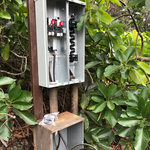
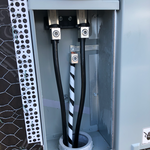
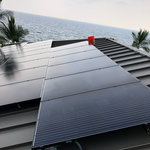
Additional Photos
Additional Photos
Additional Photos
Additional Photos
Additional Photos

+34

4 neighbors recently requested a quote
Recommended by100%of homeowners
Big Patriot Home Remodeling
New to Angi
Generator - Install - For Business

Serving Captain Cook, HI and surrounding areas

In business since 2020

Free estimates

Emergency services offered

Big Patriot Home Remodeling is committed to excellence in every aspect of our business. We uphold a standard of integrity bound by fairness, honesty, and personal responsibility. Our distinction is the quality of service we bring to our customers. Accurate knowledge of our trade combined with ability is what makes us true professionals. Above all, we are watchful of our customers' interests and make their concerns the basis of our business.

Response time20 mins
Generator Install questions, answered by experts

Yes, in most municipalities, you will need a permit to install a permanent home generator, including emergency backup, partial-home, and whole-home models. Because these installations involve significant alterations to your home's electrical system and produce exhaust fumes, local governments often require a permit or inspection for safety purposes. A generator permit typically costs between $50 and $250, depending on your location. Your electrician or certified installer can usually handle the permitting process for you, but you will be responsible for the cost. It's a good practice to confirm with your installer that they will pull all necessary permits before work begins.

Carbon monoxide emissions aren’t only dangerous to human life, but they also harm our planet. While natural gas generators emit lower levels of CO than other fuel sources, there are still ways to reduce emission levels. For example, shop around for an eco-friendly generator that complies with current emission standards. Also, make sure your generator is serviced regularly to avoid CO buildup. 

While natural gas generators are costly, they’re a great option for standby power due to the reliability of natural gas as a fuel source. Unlike other fuels, natural gas is delivered through underground pipes, making outages extremely rare and less likely to be affected by the elements. As long as the area isn’t prone to earthquakes, they offer an unlimited supply of natural gas that doesn’t degrade over time or require storage in tanks.

Generators are safe to use as long as they are installed and operated correctly according to the manufacturer's recommendations. The most critical safety tips are to never use a portable or fuel-powered generator inside an enclosed space due to the risk of lethal carbon monoxide poisoning; always operate it outdoors where fumes can dissipate away from your home. Additionally, never attempt to connect a generator to your home’s electrical panel yourself—hire a professional to ensure the setup meets safety standards. Finally, avoid overloading the generator by not connecting more appliances than it is rated for, as this can damage your equipment or cause a fire.

Sizing a generator is a careful process that requires calculating the electrical load of your entire house. You have to take into account every device you want to use and their wattage requirements, plus the wattage needed to start them, and look for a generator that can safely run all that at around 80% capacity.

In more practical terms, a small home can run on a 10,000-watt generator (and if you only want to power a few key appliances, much less than that). A mid-sized home may need something between 15,000 and 22,000 watts. Larger homes require 25,000 watts or more. 

The Captain Cook, HI homeowners’ guide to generator installs

From average costs to expert advice, get all the answers you need to get your job done.