



Top-rated pressure washers.

Get matched with top pressure washers in Shellman, GA

Enter your zip and get matched with up to 5 pros

Need a pro for your pressure washing project in Shellman, GA?

Select your specific project to find the pro for you.

Find Pressure washers in Shellman

...
Showing 1-10 of 101
Pressure Washing questions, answered by experts

You should avoid using a pressure washer on any surface or item that could be damaged by the high-pressure spray, as some materials are too delicate to withstand the force.

Key items and surfaces to avoid include:

  • Electrical Components: Never pressure wash electrical systems, as water can cause short-circuits and create a safety hazard. This includes utility meters, breaker boxes, electrical outlets, generators, and HVAC or air conditioner units.

  • Delicate and Fragile Materials: Fragile items can crack, shatter, or be stripped by the pressure. Avoid pressure washing windows, glass, light fixtures, shingled roofs (especially asphalt), and stucco.

  • Painted, Stained, or Sealed Surfaces: Unless your goal is to strip the finish, do not pressure wash painted surfaces, stained wood (like decks), or anything with a protective seal that could be stripped away. Be especially cautious with older surfaces that may contain lead paint.

  • Soft Woods and Certain Decking: Delicate surfaces like softwood, composite decking, and antique or wooden patio furniture can be etched or damaged. If you must wash wood, use a lower-powered pressure washer with a wide-angle nozzle to prevent damage.

  • Living Things: Never use a pressure washer on people, pets, or plants. The force can cause serious injury and will destroy landscaping.

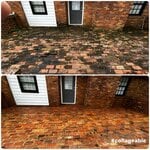
Yes. You can pressure wash pavers. However, you risk damaging them if you use too much pressure or get too close. Use a PSI of 1,500 and spray the water at least 24 inches away from the surface.

This process doesn’t necessarily require soap or detergent, but it definitely helps. You can get by with just using water, but remember, brick requires a lower-than-average pressure level when compared to concrete, so forgoing detergent increases the time it takes to spot clean stains and debris once you finish with the pressure washer. Brick is especially porous, so the less water you use on it, the better.

While DIY power washing is possible, professional services ensure thorough cleaning, proper pressure levels, and avoidance of surface damage.

Brick takes longer to dry than less porous materials like concrete. If you are waiting to spot clean, a full day of mild weather should do the trick. If you are waiting to paint or apply a finish or sealant, give it three to four days to ensure the brick is absolutely dry as a bone. You don’t want any residual moisture whatsoever before laying down paint or sealant. 

The Shellman, GA homeowners’ guide to pressure washing services

From average costs to expert advice, get all the answers you need to get your job done.