





Top-rated deck cleaning pros.

Best deck cleaning pros near Screven, GA

Enter your zip and get matched with up to 5 pros

Need a pro for your deck cleaning project in Screven, GA?

Select your specific project to find the pro for you.

Top-Rated Deck cleaning pros in Screven - Updated Nov 2026

Avatar for Roxine's Paint Brush
Roxine's Paint Brush
4.9(
70
)
Deck, Fence, Patio or Porch - Clean and SealDeck, Fence, Patio or Porch - Clean and Seal - For Business

Serving Screven, GA and surrounding areas

In business since 1997

Free estimates

Credit card accepted

"Roxines team showed up on time and filled all the holes and did the prep work. In a short time paint was going on the walls and within two days they were through. They did an excellent job and cleaned up everything. They were very professional and courteous . I will definitely use them again. They did beautiful work. Maryanne1"
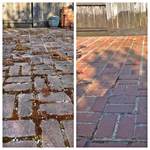
Before
After
After
Photo 1
Photo 2

+28

Recommended by100%of homeowners

Avatar for D&D Pressure washing service and more
D&D Pressure washing service and more
5.0(
4
)
Deck, Fence, Patio or Porch - Clean and SealDeck, Fence, Patio or Porch - Clean and Seal - For Business

Serving Screven, GA and surrounding areas

In business since 2019

Free estimates

Credit card accepted

"Very reasonable, respectful team of professionals. My house is gleaming and my deck railings are finally mildew free. They're coming out again in a couple days to stain the deck railings of two 16 x 30 decks for a very reasonable charge. Also, am having them replace the wax ring of a toilet and fix the indented floor. I'm delighted to have found Davon. He'll be my first call for all my house repairs."
Driveway
Driveway
Patio
Walkway
Walkway

+72

Response time40 mins
Response rate100%
Recommended by75%of homeowners
...
Showing 1-10 of 57
Deck Cleaning FAQs, answered by experts

When installing deck boards, screws are generally a better option than nails. Screws offer superior holding strength over time, keeping the boards securely in place. In contrast, nails are more likely to pop out, which can create a tripping hazard. While you can use either, we recommend using 3-inch galvanized deck screws. To minimize the risk of cracking the wood, it's a good practice to drill small pilot holes before driving the screws into the deck joists.

Yes, it is possible to add an under-deck drainage system to an existing deck by retrofitting it to the structure. This process may require some prep work. For example, many drainage systems are installed on top of the deck joists, which would require you to remove the decking boards and railings first. To avoid this, you could opt for a below-the-joist drainage system. For best results and to ensure proper installation, it is recommended to consult a professional. A pro can inspect your deck, make any necessary repairs, and then install the drainage system correctly.

The proper and most comfortable height for a deck stair riser, also called a step, is between four and seven inches. A height of seven inches is often considered ideal for a strain-free step that minimizes the risk of trips and falls. While it is possible to have risers up to 12 inches, this height can be challenging for children, pets, or individuals with mobility issues. For optimal safety and comfort, pair a seven-inch riser with a tread depth (or run) of at least 10 to 12 inches. Always check your local building codes, as they may have specific requirements that differ from these general recommendations.

Most building codes require that spindles or balusters on deck and stair railings be spaced no more than four inches apart. This safety standard, often called the '4-inch sphere rule,' is designed to prevent small children or pets from slipping through the railing. A good way to visualize this is that a 4-inch sphere should not be able to pass between two spindles. For the same safety reason, the space between the bottom rail and the deck floor should also be no more than four inches. As a general guideline, professionals often install three balusters per foot of railing. However, since specific requirements can vary by location, it is crucial to check your local building codes to ensure compliance before starting your project.

Yes, deck pier blocks can be used as an alternative to traditional deck footings, especially for smaller or low-to-the-ground decks. Unlike poured concrete and buried post footings, deck blocks do not require digging or pouring. However, their use is dependent on local building codes. Some areas, particularly those prone to high winds, earthquakes, or hurricanes, may not permit the use of deck pier blocks. It is essential to consult your local building codes before choosing them for your deck project.

The Screven, GA homeowners’ guide to deck cleaning services

From average costs to expert advice, get all the answers you need to get your job done.