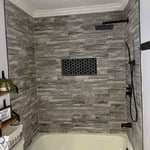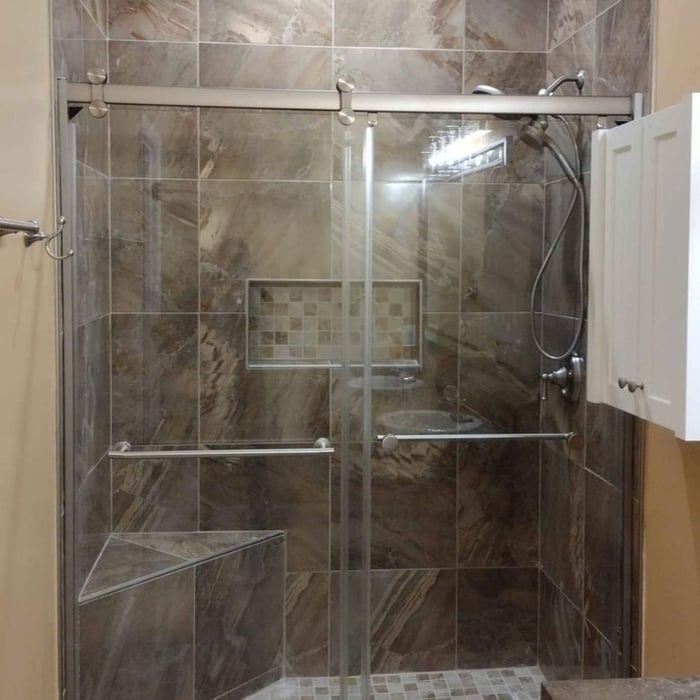






Top-rated deck repair pros.

Get matched with top deck repair pros in Pine Mountain, GA

Enter your zip and get matched with up to 5 pros

Need a pro for your deck repair project in Pine Mountain, GA?

Select your specific project to find the pro for you.

TRUSTED BY PINE MOUNTAIN, GA HOMEOWNERS

  • Average homeowner rating star icon5
    Average homeowner rating
  • Verified reviews icon11
    Verified deck repair services reviews

Find Deck repair pros in Pine Mountain

Avatar for Dependable Drywall and Tile
Dependable Drywall and Tile
4.2(
142
)
Deck or Porch - Repair

Serving Pine Mountain, GA and surrounding areas

Approved

In business since 2001

Free estimates

Credit card accepted

"The finished work was perfection. The promised time was honored. I b addition i need some ceramic tile repair and that work was done timely and perfectly. I will absolutely use the contract again."
Logo
My jobs
My jobs
My jobs
My jobs

+3

5 neighbors recently requested a quote
Recommended by84%of homeowners
...
Showing 1-10 of 114
Deck Repair questions, answered by experts

Typically, most residential wooden decks are designed to support approximately 40 pounds per square foot, including the deck’s weight and any items placed on it. While this is fine for typical use, it is usually not enough to hold the weight of a hot tub filled with water and people. To safely support a hot tub, your wood deck will likely require reinforcement. Therefore, it’s best to have a contractor or a structural engineer assess it before hot tub installation.

Before installing a deck, you must build a base for the deck to rest upon, often made of compacted soil or gravel. While gravel is an optional material, it helps with drainage. Some contractors also recommend installing a weed control membrane, which helps provide a solid foundation for the frame. In the case of an elevated deck, a pro will often lay down a concrete slab as a foundation. 

The proper and most comfortable height for a deck stair riser, also called a step, is between four and seven inches. A height of seven inches is often considered ideal for a strain-free step that minimizes the risk of trips and falls. While it is possible to have risers up to 12 inches, this height can be challenging for children, pets, or individuals with mobility issues. For optimal safety and comfort, pair a seven-inch riser with a tread depth (or run) of at least 10 to 12 inches. Always check your local building codes, as they may have specific requirements that differ from these general recommendations.

Materials for a second-story deck must be weather- and rot-resistant, though the specific choices will largely be determined by your budget and style preference. Pressure-treated wood is on the lower end of the price scale, but it can be customized and stained the way you like it. Composite, on the other hand, is pricier for installation and has fewer options for customization, but you’ll save money and time in the long run because it requires little maintenance.

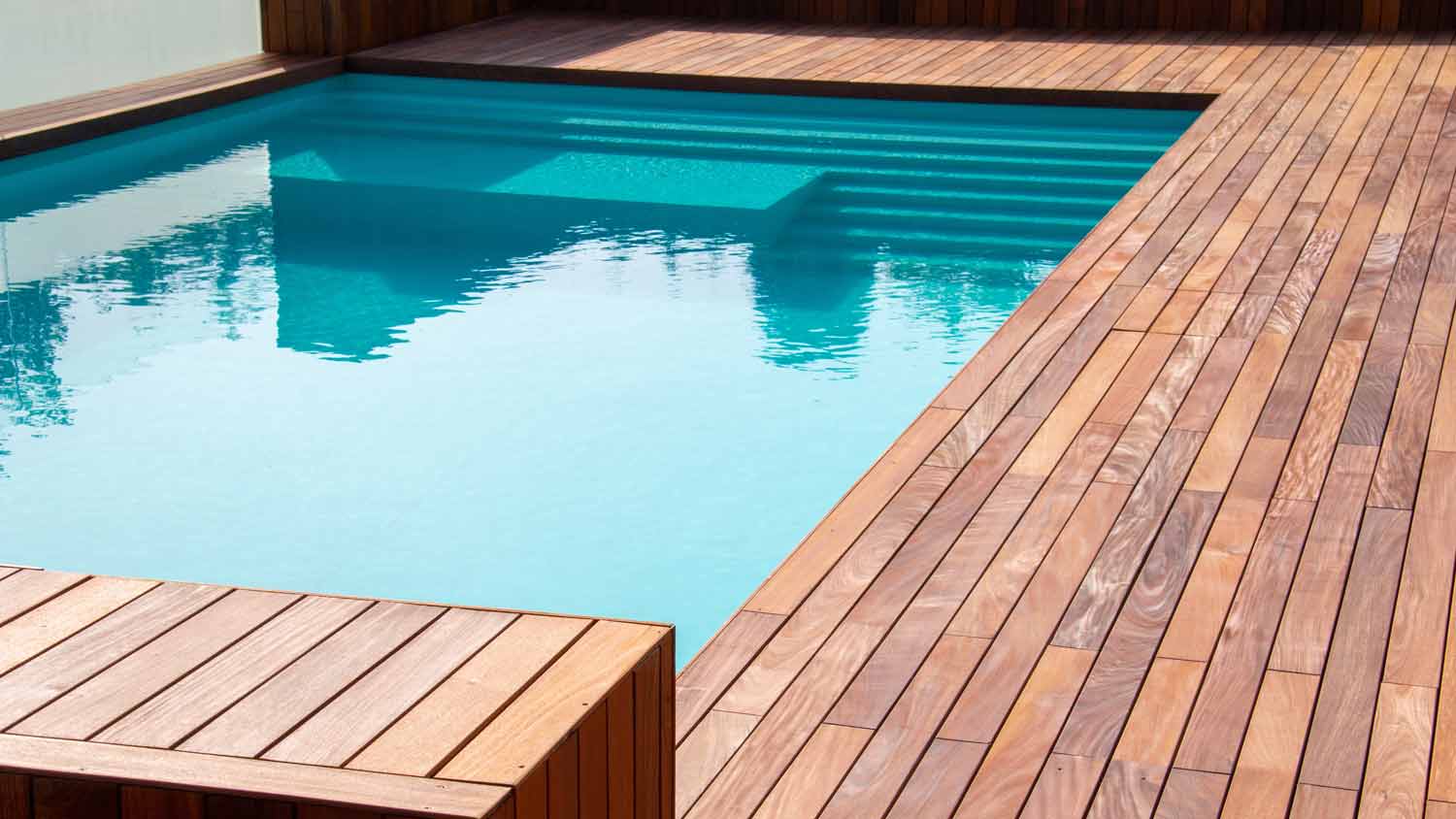
The “best” material is in the eye of the beholder, as each common decking material boasts its pros and cons. Poured concrete is the best budget-friendly option, but composite wood brings high-grade aesthetics without breaking the bank. Wood is the most traditional material, but it requires more maintenance than some other materials. In other words, do your research before settling on a deck material to find the one that’s best for your pool.

The Pine Mountain, GA homeowners’ guide to deck repair services

From average costs to expert advice, get all the answers you need to get your job done.