









Top-rated lead testing and removal specialists.

Get matched with top lead testing and removal specialists in Milner, GA

Enter your zip and get matched with up to 5 pros

Need a pro for your lead testing and removal project in Milner, GA?

Select your specific project to find the pro for you.

Find Lead testing and removal specialists in Milner

Avatar for New Day Services LLC
New Day Services LLC
5.0(
5
)
Toxic Lead - AbatementToxic Lead - Testing

Serving Milner, GA and surrounding areas

In business since 2017

Free estimates

Emergency services offered

"It was excellent.! I Never experience anything like that before. They showed up and help me to put my home back together after being hit by a tornado. I Had shattered windows , Roof blown off. Privacy riped up. Siding damage alone with water damage. Among others things that were destroyed. They worked long and very hard .They helped me when I felt all was lost. Mr. Baker was angel in a time of need. I highly recommend this Company. I would use them If I were ever placed in this situation again. I can not thank them enough for the workmanship they gave home in my time of need. Thank you Turner"
Recommended by100%of homeowners
Lead Testing and Removal questions, answered by experts

Lead paint test kits are not always accurate. Several factors can play into why a test kit provides an inaccurate result such as user error, sample viability, the age and condition of the paint, or difficulty interpreting the final result. If you are looking for 100% accuracy, hiring a professional lead paint test is the only way to get that piece of mind.

A professional indoor air quality inspection takes anywhere from one to three hours, depending on the size of your home and the number of necessary samples. After the test, the specialist will discuss the findings, but you won’t get a full written report for 2 to 10 days, though you can ask your pro to expedite the process, if needed. 

According to the Environmental Protection Agency (EPA), hazardous waste is generally classified into four main categories:

1. Characteristic Wastes: These exhibit at least one of four hazardous traits: ignitability (flammable, like gasoline), corrosivity (can rust or decompose materials, like car batteries), reactivity (unstable and can explode, like aerosol cans), or toxicity (harmful when ingested, like lead-based paint).

2. Listed Wastes: These are specific wastes from manufacturing and industrial processes that the EPA has officially designated as hazardous. They include byproducts from processes that use solvents, pesticides, and other chemicals.

3. Universal Wastes: These are commonly generated hazardous items that are subject to streamlined regulations. Examples include batteries, pesticides, mercury-containing equipment (e.g., bulbs), and some lamps.

4. Mixed Wastes: This category includes waste that contains both hazardous and radioactive components, making it subject to regulation by both the EPA and the Nuclear Regulatory Commission.

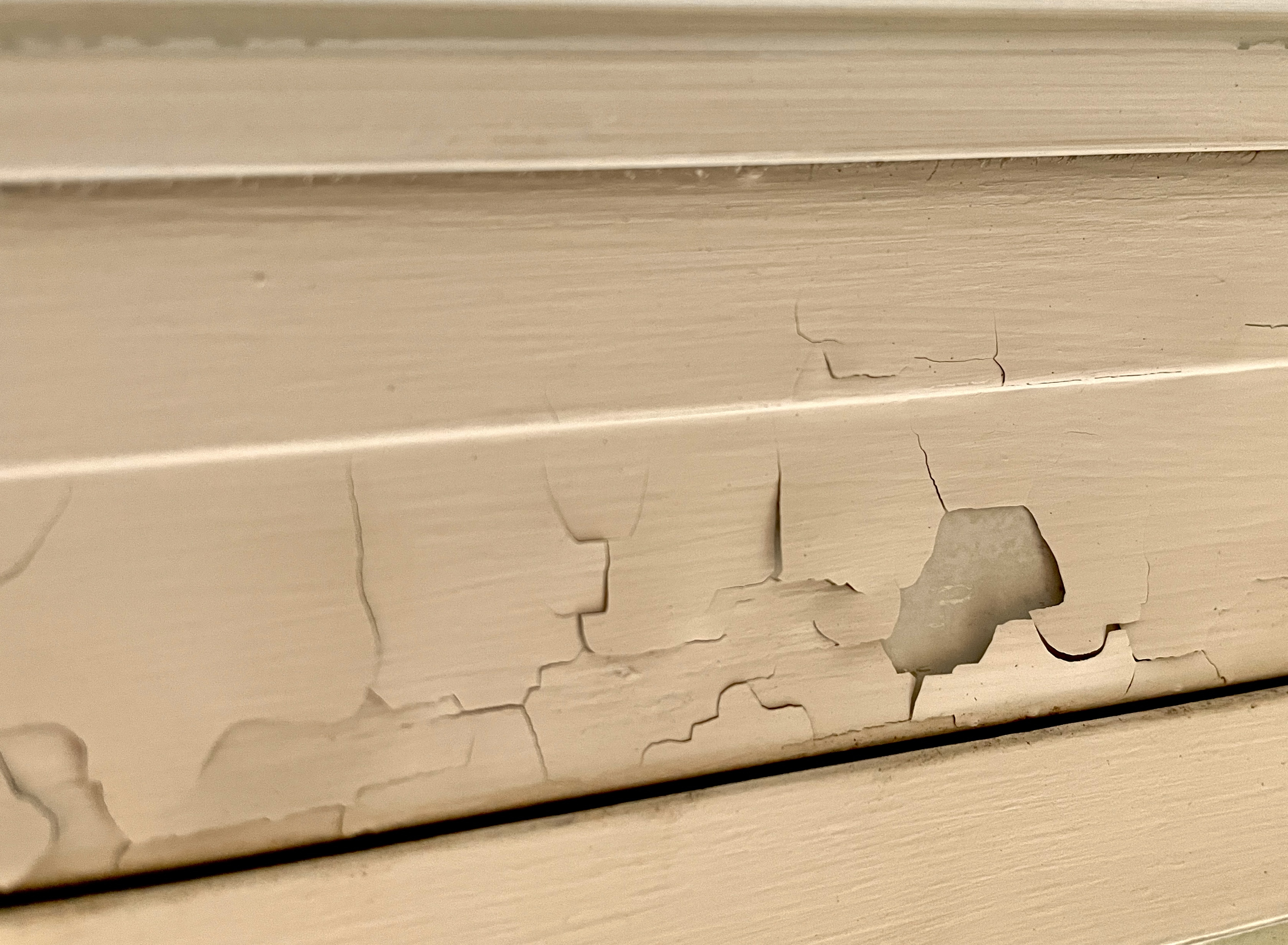
Lead toxicity comes from inhaling lead or consuming it. Before the 1980s, when the government banned lead from consumer use, it could be found in paint, plumbing, pipes, ceramics, and even gasoline. Lead paint is toxic for the same reason lead itself is toxic, which is why lead poisoning from paint presents the same as lead poisoning from water or food sources, with a slight increase in respiratory symptoms vs. digestive symptoms. Lead paint is most dangerous when it’s old and peeling, cracking, or otherwise disturbed. This increases the concentration in the air and, therefore, in breathable air. 

Yes, testing professionals typically provide reports with recommendations for safe lead removal.

The Milner, GA homeowners’ guide to lead testing and removal services

From average costs to expert advice, get all the answers you need to get your job done.