






Top-rated deck cleaning pros.

Get matched with top deck cleaning pros in Lakeview, GA

Enter your zip and get matched with up to 5 pros

Need a pro for your deck cleaning project in Lakeview, GA?

Select your specific project to find the pro for you.

TRUSTED BY LAKEVIEW, GA HOMEOWNERS

  • Average homeowner rating star icon4.7
    Average homeowner rating
  • Verified reviews icon89
    Verified deck cleaning services reviews

Find Deck cleaning pros in Lakeview

Avatar for Johnathon wynn
Johnathon wynn
New to Angi
Deck, Fence, Patio or Porch - Clean and Seal

Serving Lakeview, GA and surrounding areas

Approved

Free estimates

Emergency services offered

Warranties offered

With 13 years in business as a self‑employed carpenter, I’m committed to delivering quality craftsmanship on every project. Customer satisfaction and safety are always top priorities, along with clear communication and punctuality.\n\nI guarantee my work will be completed correctly and up to local code, and I’m flexible in working within a wide range of budgets to help you get your project done at an affordable price.\n\nMy small team and I are open to all types of residential construction and custom projects. Whether you’re planning a repair, upgrade, or something completely unique, we’re here to help bring your ideas to life.\n\nReach out to discuss your project and get started.

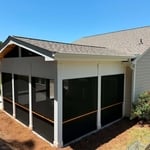
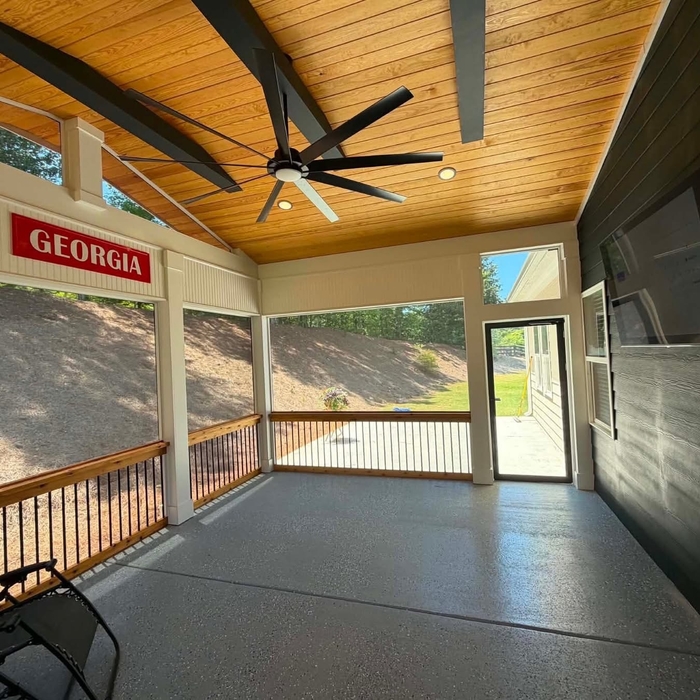
Covered patio screened in

+17

...
Showing 1-10 of 163
Deck Cleaning questions, answered by experts

Typically, most residential wooden decks are designed to support approximately 40 pounds per square foot, including the deck’s weight and any items placed on it. While this is fine for typical use, it is usually not enough to hold the weight of a hot tub filled with water and people. To safely support a hot tub, your wood deck will likely require reinforcement. Therefore, it’s best to have a contractor or a structural engineer assess it before hot tub installation.

A deck that isn’t attached to a house is called a floating or freestanding deck. These standalone decks are built near ground level, so they usually don’t need deck stairs. Some don’t even require permits. Generally speaking, building a floating deck is faster and more DIY-friendly than constructing one that’s connected to your home.

In most cases, your deck will need some form of deck footing to hold it in place, preventing moisture from rotting your wood and decreasing your deck’s lifespan. Concrete deck blocks are the most common type of footing for floating decks. Some homeowners use ground-level deck footings. For added security, consider digging and laying your ground-level footings below ground.

Yes, deck pier blocks can be used as an alternative to traditional deck footings, particularly for small or low-to-the-ground decks. Unlike poured concrete and buried post footings, deck blocks don’t require digging or pouring. However, their use is regulated by local building codes, and they may not be permitted in areas prone to high winds, earthquakes, or hurricanes. Always consult your local building codes before choosing them for your deck project.

The best material for your deck depends on several factors, including your budget, location, aesthetic preferences, and the level of maintenance you’re willing to do. Wood decking, like redwood, ipe, cedar, and pine, lasts the longest, but it’s more expensive and requires more upkeep than composite and synthetic decking.

The Lakeview, GA homeowners’ guide to deck cleaning services

From average costs to expert advice, get all the answers you need to get your job done.