








Top-rated deck staining pros.

Get matched with top deck staining pros in Helena, GA

Enter your zip and get matched with up to 5 pros

Need a pro for your deck staining project in Helena, GA?

Select your specific project to find the pro for you.

Find Deck staining pros in Helena

Avatar for Dream Home Remodeling Inc
Dream Home Remodeling Inc
4.6(
29
)
Exterior Home or Structure - Paint or StainExterior Home or Structure - Paint or Stain: LargeExterior Home or Structure - Paint or Stain: Medium

Serving Helena, GA and surrounding areas

In business since 2013

Free estimates

Credit card accepted

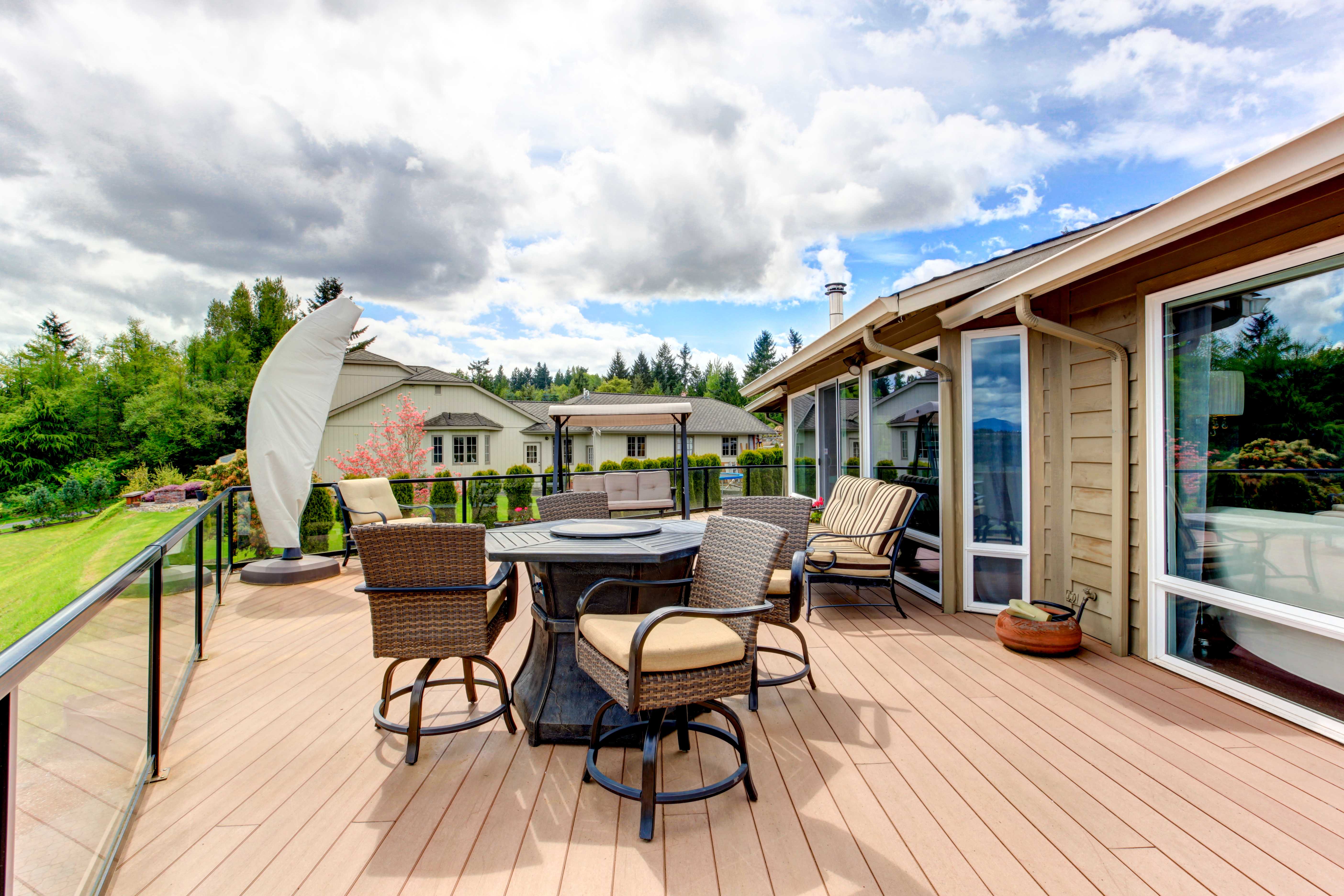
"Everything was going great at the start of the project with the demo of the old deck in March 2016. However the craftsmanship of the carpenter was not very good, boards were rough cut and the gaps between the deck boards were inconsistent. Luis then stained the deck as promised, however this was too early to stain and the deck boards start seeping sap. It was unusable, we asked him to repair which he did, and they did a great job of fixing and re-staining the deck boards."
Additional Photos
Additional Photos
Additional Photos
Additional Photos
Additional Photos

+8

Recommended by92%of homeowners
Avatar for Sutton Painting
Sutton Painting
5.0(
2
)
Exterior Home or Structure - Paint or Stain

Serving Helena, GA and surrounding areas

In business since 2022

Free estimates

Offers commercial services

We are committed to excellence in every aspect of our business. We uphold a standard of integrity bound by fairness, honesty, and personal responsibility. Our distinction is the quality of service we bring to our customers. Accurate knowledge of our trade combined with ability is what makes us true professionals. Above all, we are watchful of our customers' interests, and make their concerns the basis of our business.
Response time2 hrs
Recommended by100%of homeowners
...
Showing 1-10 of 83
Deck Staining questions, answered by experts

The longevity of paint on wood depends on factors like the quality of the paint, surface preparation, exposure to elements, and maintenance. Exterior paint on wood surfaces can last 5 to 15 years or more with proper care and maintenance. Interior paint tends to have a longer life span, often 10 years or more. Regular cleaning, touch-ups, and addressing any issues like peeling or cracking can extend the life of the paint. 

Limewash and whitewash are two techniques used to give brick a light, matte finish, but they differ in composition, application, and permanence. The best choice depends on your aesthetic goals and the specific surface.

Composition

  • Limewash: A natural and environmentally friendly option made from limestone, water, and sometimes pigments. It is breathable and soaks into porous surfaces like brick.

  • Whitewash: Traditionally made from lime, water, chalk, and binders, but a similar look can be achieved with watered-down white paint. It is paint-based and sits on top of the surface.

Appearance and Finish

  • Limewash: Provides a natural, textured appearance that allows the brick's character to show through. It offers a more traditional finish.

  • Whitewash: Creates a softer, more opaque finish, often used for a rustic or shabby-chic style.

Application and Permanence

  • Limewash: Is semi-permanent and can be removed, making it a good choice if you might want to change the look in the future. It requires more skill to apply and cannot be used on previously painted brick.

  • Whitewash: Is a more permanent solution. It is more forgiving to apply and can be used on painted brick. However, because it sits on the surface, it can trap moisture.

Ultimately, if you want a breathable, natural, and reversible finish for unpainted brick, limewash is a great option. If you need a more permanent, opaque coating that can be applied over painted surfaces, whitewash is the better choice. Whitewashing may also be more economical, costing approximately $1.40 to $4.20 per square foot.

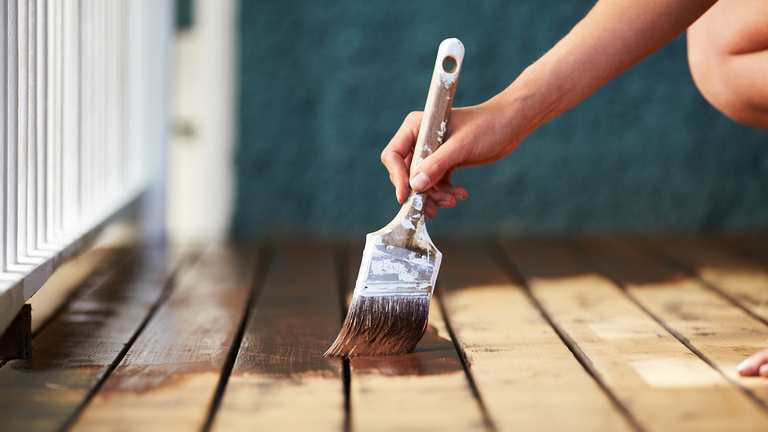
Whether to brush or roll stain on wood depends on the project and your preference. Brushing is ideal for smaller, intricate areas and offers more control over the application, ensuring thorough coverage and penetration into the wood's grain. 

Conversely, rolling is efficient for more extensive, flat surfaces and can save time. However, it is not always the best fit for textured or uneven wood. Some projects may benefit from combining both methods, using a brush for detail work and a roller for broader areas. Ultimately, the choice between brushing and rolling depends on the specific requirements of your staining project.

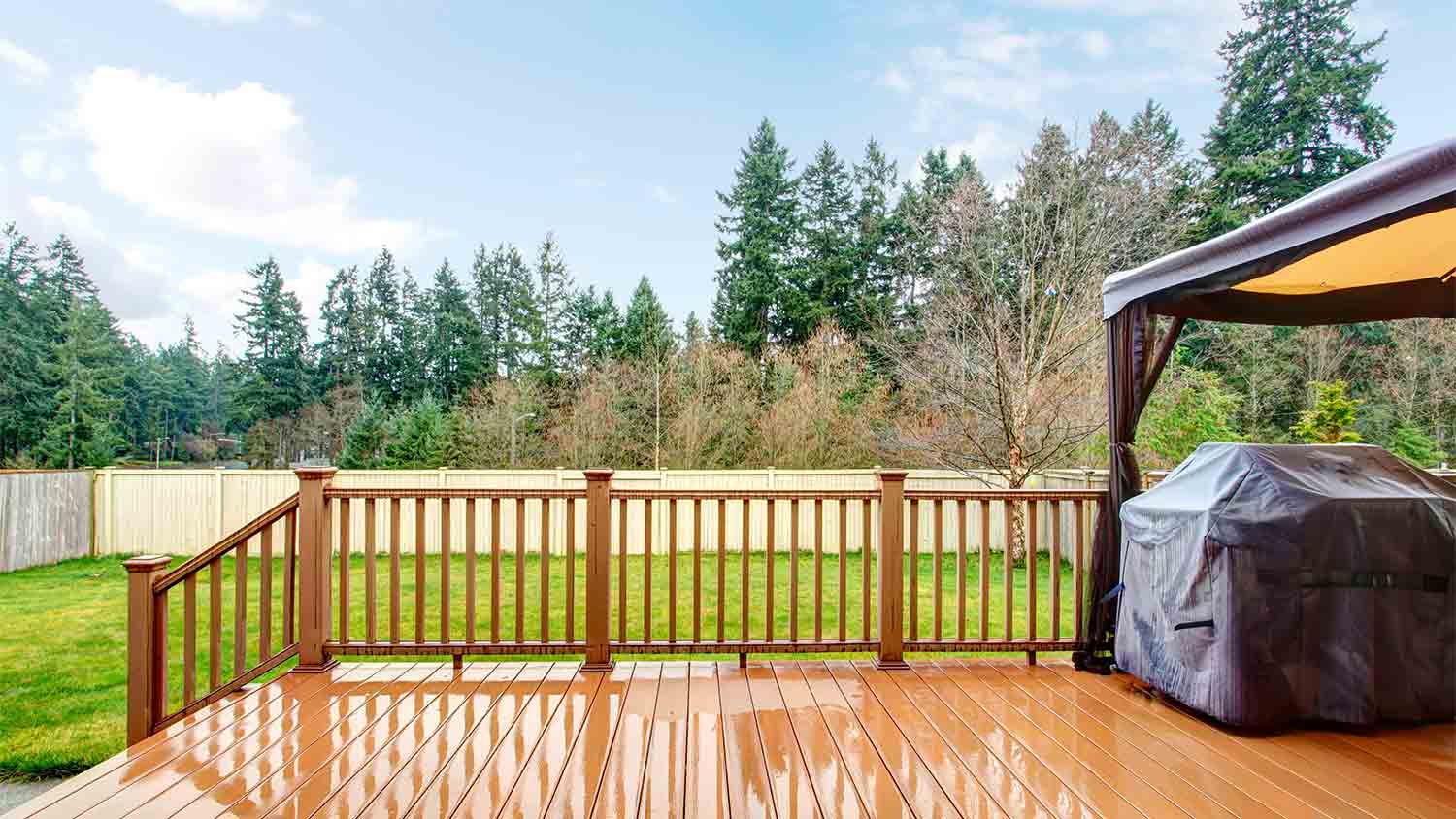
Stains penetrate wood best when it's cool and dry, so you want to avoid moisture. If the wood is wet upon application, or if it rains before the stain dries, the water will soak into the wood and displace the staining solution. This leads to a flaky and blotchy look, which is the opposite of a sumptuous even coat. Once the stain has fully cured, after about 3 days, rain shouldn’t cause you any problems.

Yes, it's a good idea to sand the wall with fine-grit sandpaper after spackling, especially if you plan on painting. You can do this by hand or using a sander, but the idea is to ensure the spackle is flush with the wall. Sanding will give your wall a smooth, uniform finish and help your paint and wallpaper stay put.

The Helena, GA homeowners’ guide to deck staining services

From average costs to expert advice, get all the answers you need to get your job done.