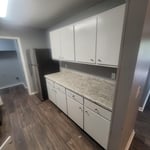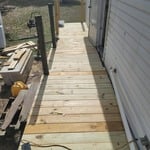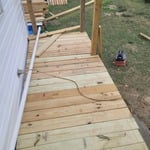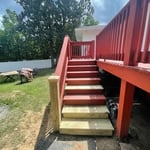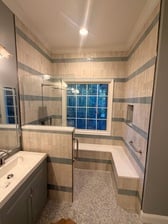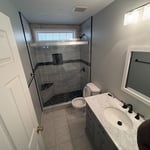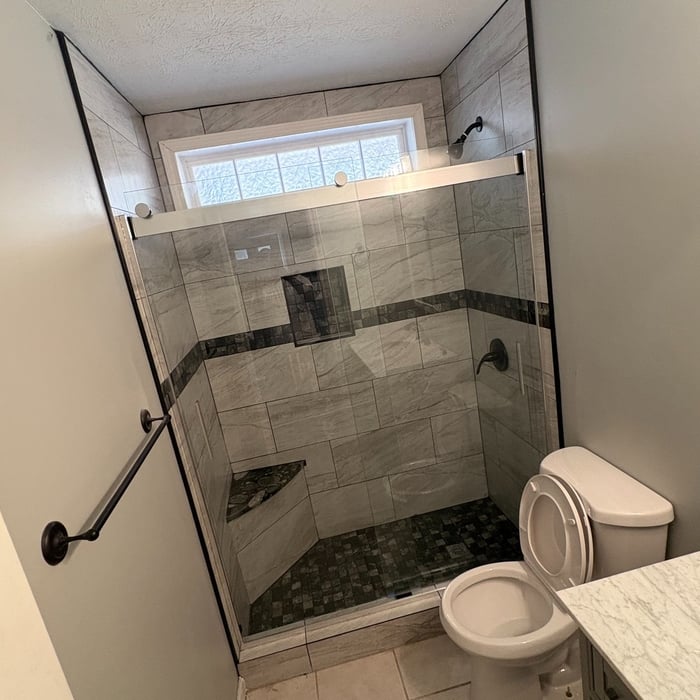







Top-rated woodworkers.

Best woodworkers near Hamilton, GA

Enter your zip and get matched with up to 5 pros

Need a pro for your woodworking project in Hamilton, GA?

Select your specific project to find the pro for you.

TRUSTED BY HAMILTON, GA HOMEOWNERS

  • Average homeowner rating star icon4.7
    Average homeowner rating
  • Verified reviews icon21
    Verified woodworking services reviews

Top-Rated Woodworkers in Hamilton - Updated Nov 2026

Miller Light Construction LLC
5.0(
12
)
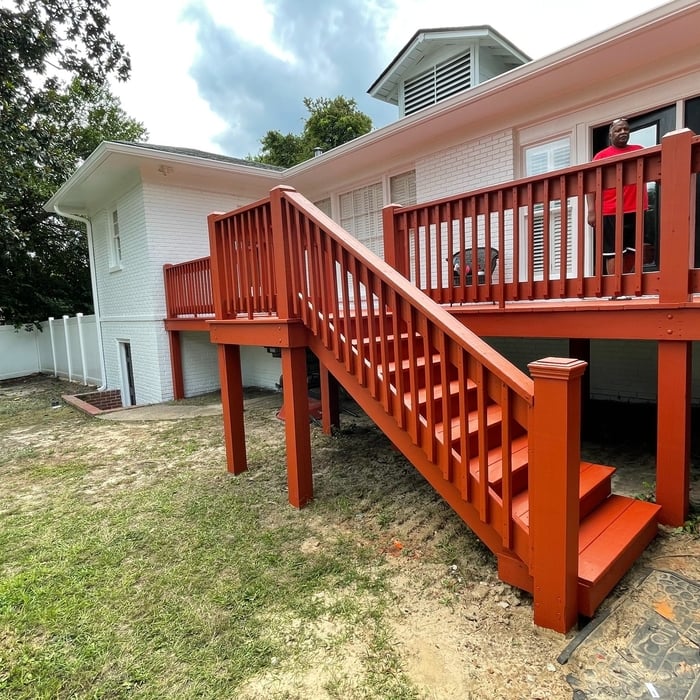
Custom Cabinets - BuildInterior Trim and Decorative Moldings - Install

Serving Hamilton, GA and surrounding areas

Approved

In business since 2022

Free estimates

Emergency services offered

"As a real estate agent - I am always looking for reliable vendors to help me with my client's needs. Trevor and his crew have always been professional and easy to work with. I have used them in my personal home as well. I highly recommend them for all of your construction needs!"
Additional Photos
Additional Photos
Additional Photos
Additional Photos
Additional Photos

+17

Response time2 days
Response rate100%
6 neighbors recently requested a quote
...
Showing 1-10 of 163
Woodworking FAQs, answered by experts

If you don’t have a coping saw, you can use an angle grinder to cope crown molding, but it takes a little more precision. Place your molding down on your workbench, angle the grinder at a 45-degree angle toward the molding, and back cut the wood. You’ll need to carefully angle your grinder to accommodate the curves in the wood, and aim to remove around 1 inch from the profile of the molding.

There are two ways you can cut trim for doorways: with a miter saw or a table saw. Mitered joints need a 45-degree angle. If you’re unfamiliar with a miter saw, you might want to consider buying extra trim pieces or choosing butted joints instead. One wrong cut, and you’ll need to power up the saw again with a new piece. 

Butted joints—also called shaker style—don’t need a 45-degree angle. Instead, your side pieces attach perpendicularly to the header trim and only require a straight cut.

Professionals ensure precise alignment and durability, critical for structural integrity.

Yes, you can find ceiling joists using simple tools if a stud finder isn't available.

Using a hammer requires patience and a keen ear. Gently tap the ceiling in a grid pattern, listening for sound changes. A hollow sound indicates space between joists, while a solid, dull thud suggests a joist. Mark the location with a pencil and confirm by tapping from different angles.

Alternatively, you can use a nail, but this method will leave small holes. You'll feel increased resistance when the nail hits a joist. Mark the spot and repeat the process every 16 or 24 inches to map the joist locations. This method is considered less reliable than using a stud finder.

Professionals ensure safe, thorough repairs using quality materials, extending the life of your structure.

The Hamilton, GA homeowners’ guide to woodworking services

From average costs to expert advice, get all the answers you need to get your job done.