
Top-rated insulation pros.

Get matched with top insulation pros in Elberton, GA

Enter your zip and get matched with up to 5 pros

Need a pro for your insulation service project in Elberton, GA?

Select your specific project to find the pro for you.

Find Insulation pros in Elberton

Avatar for ADT Solar
ADT Solar
4.4(
111
)

Serving Elberton, GA and surrounding areas

In business since 2008

Free estimates

Warranties offered

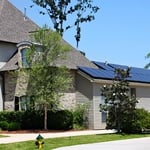
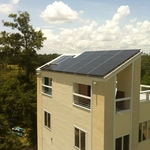
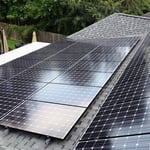
"They installed solar panels as per contract. They were on time and removed all material when done. I had roof damage from a storm and they repaired it at no extra cost. So far I am happy with this company and plan on using them again for house repair.
"
11 kW PV Installation
5 kW PV Installation
9.5 kW PV Installation
Recommended by89%of homeowners
Avatar for American Home Shield – Home Warranty
American Home Shield – Home Warranty
3.5(
5,688
)

Serving Elberton, GA and surrounding areas

In business since 1971

Credit card accepted

"Roberto was the technician and he was very professional, polite, and personable. He inspected the rest of our system and told us things that needed to be changed or repaired. He showed me pictures of everything. Everything he told me about was accurate. He quoted me a price for R38 insulation , Some of our ducts were plastic and he recommended them to be changed. I agreed completely and didn't know they were plastic. I would have had them done the work but I had no price comparisons to make and besides I didn't have the money right then. So he just finished the vent cleaning and left his card. He did a great job on the vent cleaning and was happy with the work."
Additional Photos
Additional Photos
Additional Photos
Additional Photos
Additional Photos

+2

Recommended by65%of homeowners
Showing 1-10 of 31
Insulation questions, answered by experts

Yes, insulating ductwork in a crawl space is a worthwhile investment, especially if you live in a colder climate or run your air conditioning for most of the year. Uninsulated ducts can lose up to 30% of their heating and cooling efficiency, which can significantly impact your electricity bill. The project is a relatively small investment and typically only takes a few hours. It's a particularly simple add-on if you are already hiring someone to insulate the entire crawl space. An added benefit is that insulated ducts put off less hot or cold air, making them less attractive to pests.

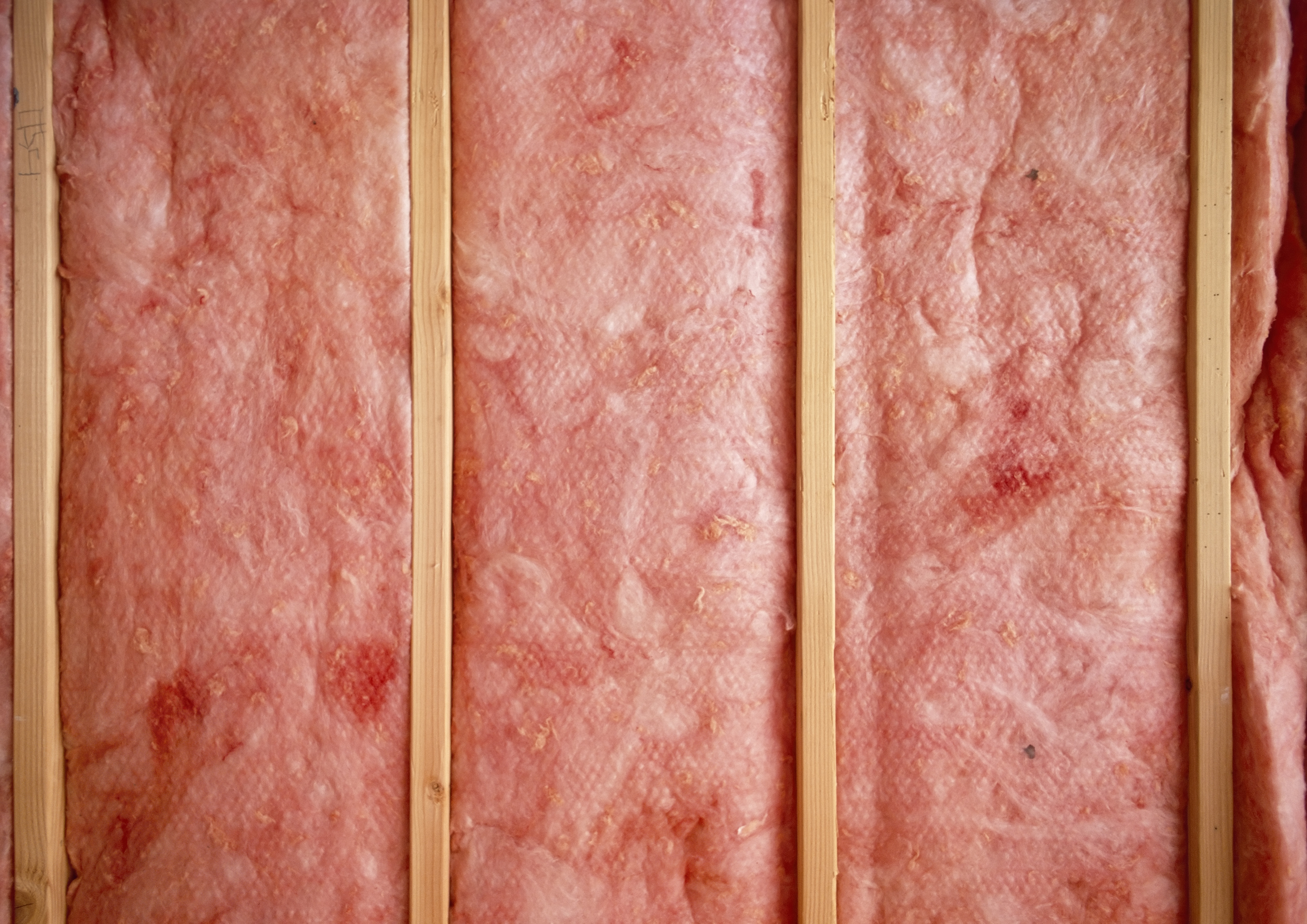
For standard 2x4 walls, the ideal insulation has an R-value between R-13 and R-15. This level of insulation, typically around 3.5 inches thick, fits well within the wall cavity. Common options include fiberglass batts and spray foam. The best choice for your home can depend on your climate; use R-value maps, like those from Energy Star, to determine the recommended level for your region. For colder climates, you might also consider adding exterior insulation for greater efficiency. Always check with your local building codes to ensure you meet any required standards.

One of the clearest signs that your insulation isn’t working as well as it should be is a noticeable difference in temperature throughout your home. One room might feel icy while another is hot as Arizona—this indicates that some parts of your home are either retaining or losing heat more than others. Additionally, a sudden increase in your energy bills, evidence of pests or rodents, or evident water damage are other signals that warrant a thorough inspection of your insulation and potential replacement.

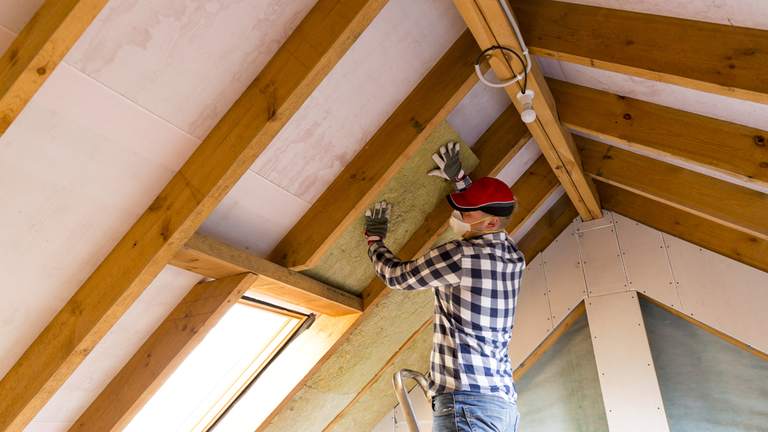
The best type of attic insulation depends on where you live, your budget, and what stage of construction the attic is in. For example, if you're building a house, then structural insulated panels are a worthy investment since they're easy to install during construction and they're the most energy-efficient type of insulation.  

Additionally, if you live in a very warm climate, then you can potentially save quite a bit of money by opting for reflective insulation, which is more affordable than comprehensive insulation but doesn't work well for cool climates. Blown-in, loose-fill, and spray foam insulation are all great options for attics in moderate climates.

STC (Sound Transmission Class) is a rating that describes how well a building material or assembly blocks airborne sound. A higher STC rating means less noise will pass through the material, providing better sound reduction. This rating system applies to various building components, including windows, doors, flooring, drywall, and insulation.

For context, a typical single-pane window has an STC rating of around 25 (where normal conversations are audible), while a well-sealed, double-pane window can exceed STC 45 (blocking loud speech and most music). It is important to note that for some products, like soundproofing drywall, the STC rating refers to the entire wall system, not just the individual panel.

Additionally, STC ratings are most effective for measuring sound reduction at mid-to-high frequencies, such as human speech, and may not accurately reflect how well a material blocks low-frequency sounds like bass music or thunder. Because of these factors, it is recommended to consult a professional to determine the right STC-rated materials for your specific soundproofing needs.

The Elberton, GA homeowners’ guide to insulation services

From average costs to expert advice, get all the answers you need to get your job done.