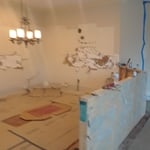







"After talking to many companies about a problem we had that we weren't even sure what was going on, I feel fortunate to have found them. Floors Sag or Shake knew exactly what was wrong and how to fix it on my description alone. Their work was excellent and quick and they worked within our specifications (for budget reasons we needed to do the finishing work ourselves and they handled the demolition and structural repairs we needed handily). "
Gregory S. Barfield, is your premier choice for your structural engineering and design needs. I have provided high quality work and friendly customer service for years. Call today!
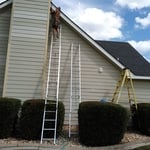
ALT Builder Group has over 20 years experience in all types of additions, and remodels.We offer a wide range of services, from Bathroom and Kitchen remodels to Carpentry, Drywall installations & Repair, Interior & Exterior painting, and Siding repair. If you are looking for a service professional that follows business practices such as promptly returning phone calls, arriving on time for appointments, and following through on promises we are that Company. We believe in making our Customers repeat Customers. Our Customers are always #1
Structural Engineering questions, answered by experts
A freestanding brick wall that's only one brick thick can usually stand six to eight feet high. If you need a higher wall, it should be at least two bricks thick for adequate stability, and it might require a footing to support the added weight. Additionally, some areas have regulations and codes dictating how high a brick wall can be, so check with local code enforcers to ensure your proposed wall complies with any regulations.
Many horizontal cracks in home foundations result from water and soil pressure from outside of the building or from a footing that is shifting. Under those circumstances, horizontal cracks are a structural problem that requires repair before they become worse and more difficult to fix. However, in very specific cases, thin horizontal cracks may simply be a cosmetic blemish due to concrete shrinkage.
The standard thickness for an LVL beam is between 1.75 inches and 7 inches. However, you can order LVL beams in non-standard sizes as well. When you work with a contractor, they can source beams that are the appropriate size for your project for you after assessing your blueprints.
The process of hiring a structural engineer starts by finding reliable professionals in your area and comparing quotes from at least three of them. From there, you can narrow down your selection by asking some leading questions:
Do you have experience working in my specific area?
Do you have professional indemnity insurance?
What will your structural report cover?
Do you charge a flat fee for a structural report or by the hour?
How long have you been in business?
Do you have a list of customer references?
Whether you’re building a new home or building an extension on your existing property, you will likely need both a structural engineer and an architect. A structural engineer will determine what loads your foundation and framing can safely handle, and an architect will draw plans according to those structural calculations to simplify the building process. You can start by contacting a structural engineer near you, as many work alongside architects and can get all of the prep work done at once.
The Bowman, GA homeowners’ guide to structural engineering services
From average costs to expert advice, get all the answers you need to get your job done.
A bowing basement wall needs immediate repair. Learn how much it costs to repair a bowing basement wall and what factors can affect the final price tag.
Beam installation costs are an important consideration if you’re building a home or doing renovations. Learn about average costs and factors in this guide.
Your sill plate plays an important role in your home’s structural integrity. Learn how sill plate replacement works, when it’s needed, and more in this guide.