


Top-rated arborists.

Get matched with top arborists in Ailey, GA

Enter your zip and get matched with up to 5 pros

Need a pro for your arboricultural service project in Ailey, GA?

Select your specific project to find the pro for you.

TRUSTED BY AILEY, GA HOMEOWNERS

  • Average homeowner rating star icon4.9
    Average homeowner rating
  • Verified reviews icon71
    Verified arboricultural services reviews

Find Arborists in Ailey

Thornton Stump Grinding
4.8(
47
)

Serving Ailey, GA and surrounding areas

Approved

In business since 2004

Free estimates

Emergency services offered

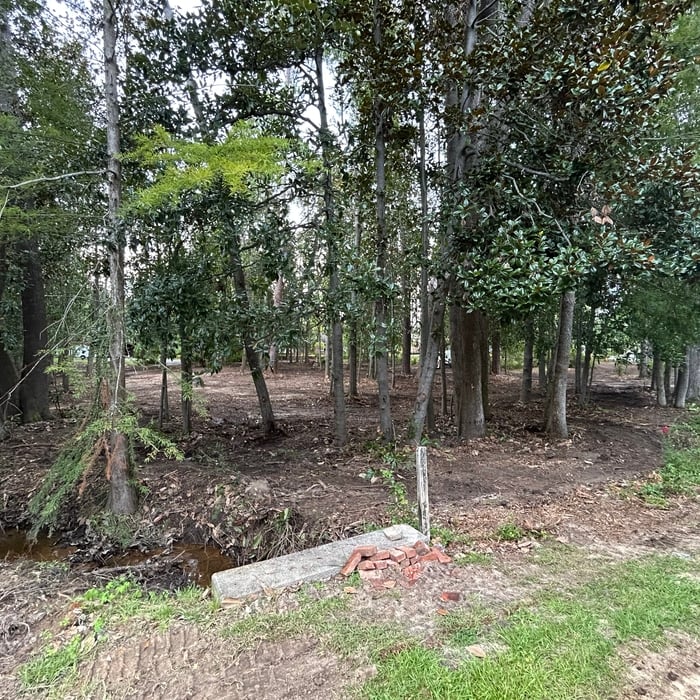
"The Thorntonâ s were very professional. They called first to let me know they were on the way to evaluate the work. They gave me two options on just the work and then an option on stump grinding and clean up. The Thorntonâ s were very knowledgeable on their craftsmanship and reasonably on their prices. Very Nice customer service! I would recommend them to anyone who would need their services of tree cutting, stump grinding,and clearing a field!ð"
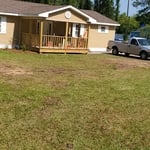
OUR WORK
Response time3 days
Recommended by97%of homeowners

Trinity General Contracting Pros
New to Angi

Serving Ailey, GA and surrounding areas

Approved

Free estimates

Emergency services offered

Warranties offered

\n Trinity General Contractor Pros is a full-service residential and light commercial contractor delivering quality craftsmanship with integrity and reliability. We specialize in roofing installation and repairs, Fortified roofing systems, storm damage restoration, siding, soffit and fascia repair, gutters, windows, doors, framing, structural repairs, drywall, remodeling, and new construction. From minor repairs to full roof replacements and hurricane restoration projects, our team is committed to doing the job right the first time. We provide thorough inspections, insurance claim support, and dependable project management to ensure every project is built strong and built to last.

...
Showing 1-10 of 85
Arborists questions, answered by experts

Yes, cutting a tree's roots can cause it to fall, particularly if major support roots are severed. In extreme cases, trimming roots can affect the tree's structure and stability. Many crucial roots are located just below the soil's surface. If you make severe cuts to roots more than 2 inches in diameter, you risk impacting the tree's water flow and its ability to withstand severe winds or storms. Even cutting roots less than half an inch in diameter under or outside the tree's canopy can cut off its water supply, causing it to decline, die, and eventually topple.

In most cases, you should not use a pruning seal on trees after trimming. Applying a sealant can interfere with the tree's natural healing process, and it does not guarantee protection from pathogens. Instead of sealing the cut, the best practice is to support the tree's natural recovery by providing it with plenty of water and a dormant-style fertilizer. However, there are exceptions. Pruning seals may be recommended for very vulnerable species, like elm trees, in areas where dangerous diseases such as Dutch elm disease are prevalent. In these specific situations, the protection offered by a sealant can outweigh its downsides. For advice tailored to your situation, especially after cutting large branches, it is best to consult a local tree trimming professional.

The best tool to cut trees is a chain saw. You can adjust your chain saw to the correct size based on the size of the branches, offering you the fastest and cleanest cut for medium- to large-sized trees. Depending on the type of chainsaw you use, you can cut through larger trees than you would with a more manual tool like an ax.

Since overwatering can harm mature trees just as much as a lack of water, it’s important to know the signs of an overwatered tree. If your tree’s leaves are yellowing, wilting, or dropping leaves, it’s likely that you’re overwatering. Other common signs include rotting, fungi, soggy soil, soft or peeling bark, falling leaves, and brittle roots. 

If you realize that you’ve been overwatering your mature tree, stop watering and give the soil time to dry out. Then moving forward, increase time between watering sessions. 

Tree roots can take weeks to years to die, depending on the method you use. Chemical herbicides take the least amount of time—typically between three and four weeks—while homemade methods, like covering an old stump with leaves, could take between seven and eight years. If you’re unsure which method to use or how quickly you need to act, consulting with a pro is always a good idea.

The Ailey, GA homeowners’ guide to arboricultural services

From average costs to expert advice, get all the answers you need to get your job done.