







Top-rated excavation pros.

Get matched with top excavation pros in Weirsdale, FL

Enter your zip and get matched with up to 5 pros

Need a pro for your excavation project in Weirsdale, FL?

Select your specific project to find the pro for you.

TRUSTED BY WEIRSDALE, FL HOMEOWNERS

  • Average homeowner rating star icon4.3
    Average homeowner rating
  • Verified reviews icon24
    Verified excavation services reviews

Find Excavation pros in Weirsdale

Avatar for LAS Landscaping Services
LAS Landscaping Services
4.5(
102
)
Landscape - Minor Grading or Resloping

Serving Weirsdale, FL and surrounding areas

Approved

In business since 2010

Free estimates

Customers say: Quick response

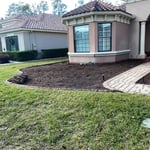
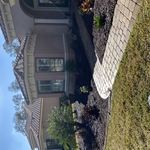
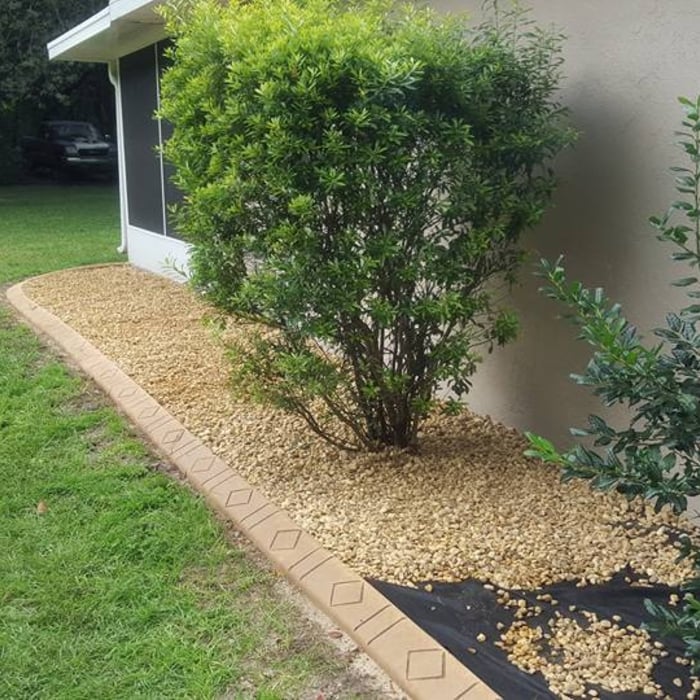
"The crew did a wonderful job at removing the palm tree. They filled in the hole with soil and covered with rock that matched the rest of the landscaping. In addition, I had them trim the rest of the bushes and holly tree. All of it looks great."
Response time10 hrs
349 neighbors recently requested a quote
Recommended by67%of homeowners
...
Showing 1-10 of 172
Excavating questions, answered by experts

Chipmunks dig their burrows about three feet deep and up to 30 feet long. The entrances can be two inches wide or more. Chipmunks are fiercely protective of their burrows and use them to protect the nuts and seeds they gather for the long winters.

Yes, trenchers can go through gravel. Gravel is made up of smaller, softer rocks that certain trenchers are able to cut through. Just be sure to use a rock wheel trencher or chain trencher, both of which are made to cut through rocky landscapes and gravel pathways without dulling the teeth or chain.

A trench that is less than 5 feet deep often doesn't require a protective system. Most residential trenches will not go this deep (the typical residential drainage trench is just 18 inches deep). In the event that an excavator needs to dig more than 5 feet beneath the surface, a protective system is required unless the excavation is in entirely stable rock.

The best type of soil to build on is a mixture of sand and clay, known as loam soil. Loam soil has the best combination of these soil types to build a foundation on. The clay particles help with water retention, so it won’t erode like sandy soil might, and the sandy particles help with drainage, so you won’t see unsafe soil expansion or have an increased risk of leaks from water sitting against your foundation.

There is no standard depth for burying a septic tank; they are typically buried anywhere from 4 inches to 4 feet underground. The final depth depends on several factors, including the depth of your main sewer line, the height of the bedrock, soil type, local regulations, and the property's landscape. If you plan to grow grass or plants over the tank, a depth of at least 4 to 6 inches is recommended. Deeper tanks can be more difficult to locate, but a septic professional can help find it for you.

The Weirsdale, FL homeowners’ guide to excavation services

From average costs to expert advice, get all the answers you need to get your job done.