







Top-rated insulation pros.

Get matched with top insulation pros in Bayonet Point, FL

Enter your zip and get matched with up to 5 pros

Need a pro for your insulation service project in Bayonet Point, FL?

Select your specific project to find the pro for you.

TRUSTED BY BAYONET POINT, FL HOMEOWNERS

  • Average homeowner rating star icon4.6
    Average homeowner rating
  • Verified reviews icon210
    Verified insulation services reviews

Find Insulation pros in Bayonet Point

Avatar for TLS Insulation - Division of TLS Energy Savers
TLS Insulation - Division of TLS Energy Savers
4.8(
53
)
Blown-In Insulation - Install or UpgradeBatt, Rolled or Reflective Insulation - Install or UpgradeSpray Foam Insulation - Install+2 more

Serving Bayonet Point, FL and surrounding areas

Approved

In business since 2015

Free estimates

Warranties offered

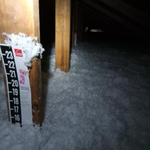
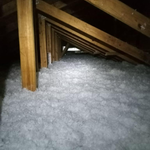
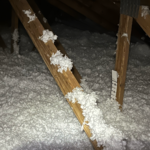
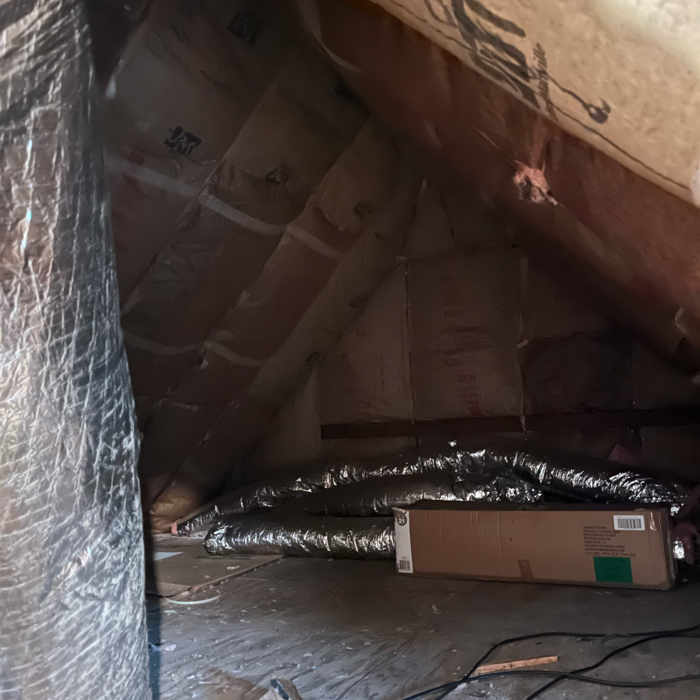
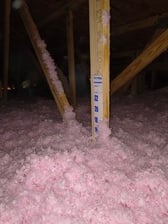
"I highly recommend TLS. They were very professional & best priced out of 3 quotes I received for new insulation in my attic. They showed up on time and completed the work as described. The owner stopped by to check on the job which rarely ever happens with contractors nowadays. I am extremely happy and satisfied with my choice of TLS and their work. Thank you!"

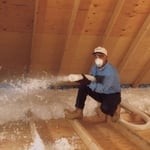
Additional Photos
Additional Photos
Additional Photos
Additional Photos
Additional Photos

+6

Response time12 hrs
Response rate100%
5 neighbors recently requested a quote

Avatar for NMC SPRAY SOLUTION, CORP
NMC SPRAY SOLUTION, CORP
4.8(
5
)
Spray Foam Insulation - Install

Serving Bayonet Point, FL and surrounding areas

Approved

In business since 2025

Free estimates

Credit card accepted

"I had an amazing experience with this spray foam insulation company. From the first phone call, they were upfront, honest, and very knowledgeable. The crew showed up exactly when they said they would and walked me through the whole process before starting. They insulated my attic and part of my garage, and the difference was noticeable the same day ? the rooms stay cooler, and the AC doesn?t run nearly as much"
Spray foam
Spray foam
Response time1 day
Response rate100%
6 neighbors recently requested a quote
...
Showing 1-10 of 85
Insulation questions, answered by experts

If the outside temperature drops below 20 degrees Fahrenheit, it will take around six hours for your pipes to freeze—and they might even burst. That’s why keeping your mobile home’s temperature around 50 to 60 degrees Fahrenheit is necessary, even if you’re leaving it vacant for the winter. In addition, having ample skirting around the mobile home's underbelly will help keep pipes insulated during the winter. 

There are two reasons why cellulose insulation repels rodents (and insects). First, the insulation has been treated with boric acid, which is a natural pest-repellent. In addition, the loose-fill style of cellulose creates less-than-ideal conditions for mice and other rodents to nest and burrow, helping to keep them at bay.

The primary downside of radiant barriers is their limited effectiveness in cold climates. They are designed to reflect radiant heat, making them less beneficial in cooler conditions where heat retention is more important. 

Radiant barriers require proper installation to maximize effectiveness. Incorrect placement can lead to minimal benefits. They also do not provide insulation, meaning they should be used in conjunction with traditional insulation for optimal energy efficiency. 

Structural insulated panels and rigid foam boards have the highest R-value of any insulation that contractors commonly use, with R-values reaching up to around 8.0. These types of insulation are best in extremely cold climates, but they’re generally preferred for new construction, as they can be challenging to retrofit. Blown-in and loose fill insulation provide the next best insulative value, provided the installation is done properly. It’s important to choose an insulation type that meets your needs based on climate, as maximizing R-value may not always be financially worthwhile if you live in a moderate climate.

The R-value is a rating that measures an insulation's thermal resistance—in other words, how well it insulates. A higher R-value provides more protection for your pipes, and all pipe insulation materials should have an R-value listed on the product description or label. Each insulation type has its own R-value, which typically falls between one and five for most pipe insulation. When making a selection, Energy.gov recommends choosing a pipe wrap that is at least one inch thick, and the International Code Council (ICC) suggests choosing a material with an R-value of at least 3.

The Bayonet Point, FL homeowners’ guide to insulation services

From average costs to expert advice, get all the answers you need to get your job done.