






Top-rated woodworkers.

Get matched with top woodworkers in North Windham, CT

Enter your zip and get matched with up to 5 pros

Need a pro for your woodworking project in North Windham, CT?

Select your specific project to find the pro for you.

TRUSTED BY NORTH WINDHAM, CT HOMEOWNERS

  • Average homeowner rating star icon4.8
    Average homeowner rating
  • Verified reviews icon37
    Verified woodworking services reviews

Find Woodworkers in North Windham

Avatar for Connecticut Yankee Crafts LLC
Connecticut Yankee Crafts LLC
5.0(
21
)
Furniture - Build CustomCustom Cabinets - Build

Serving North Windham, CT and surrounding areas

Approved

In business since 2024

Credit card accepted

Customers say: True professional

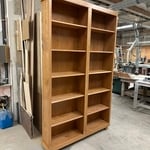
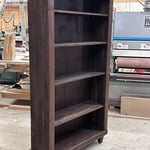
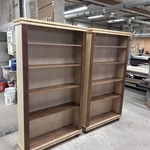
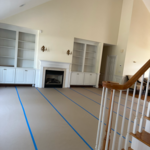
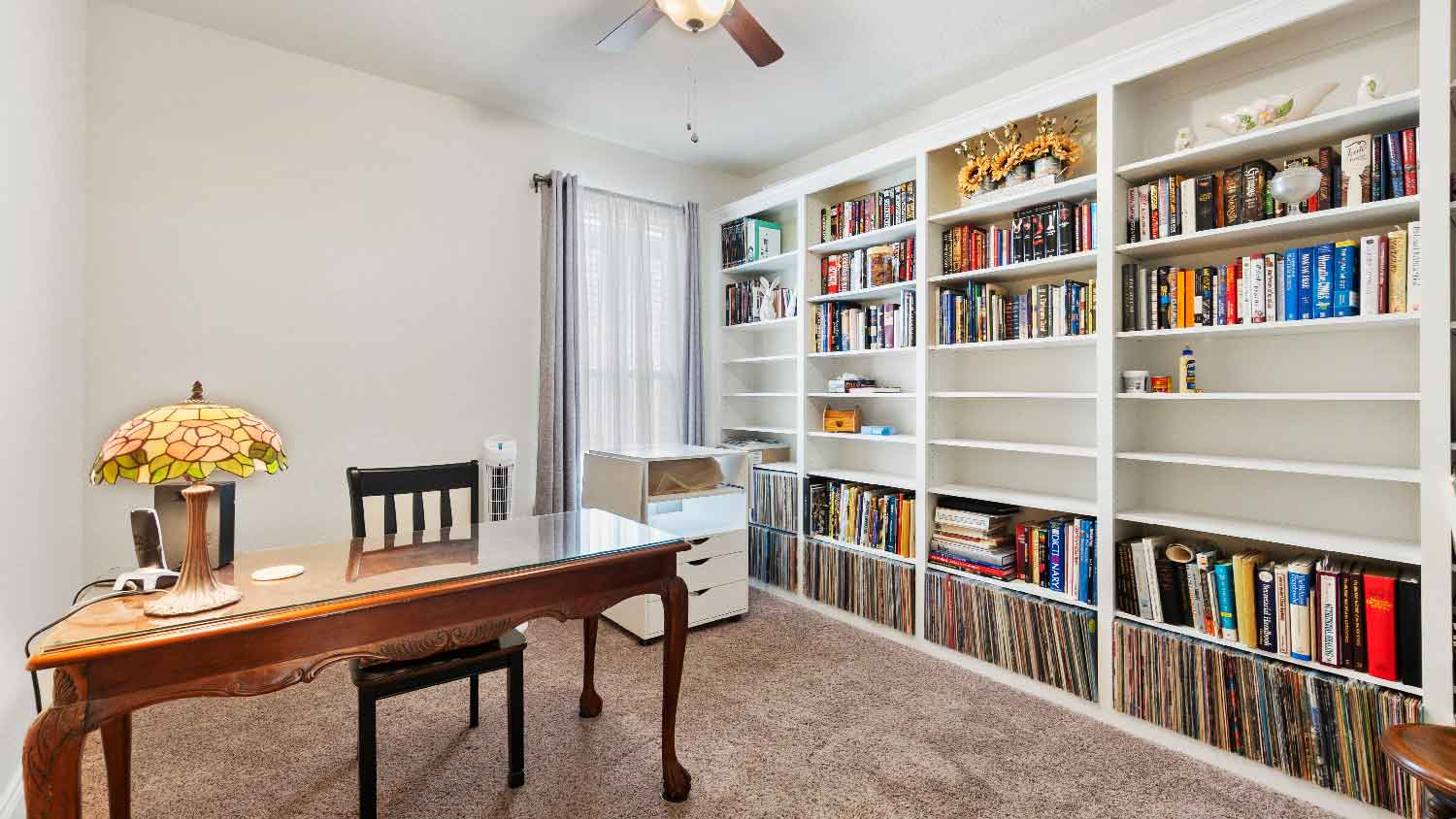
"We recently had custom built-in bookshelves designed and installed by CT Yankee Crafts, and we couldn't be happier. From start to finish, the experience was an absolute pleasure. Nick was very communicative throughout the whole process, and he listened to our vision, then translated it onto paper and then into a beautiful masterpiece and a focal point in our new home. The best part is filling them up! Watching our book collection find its new home on these gorgeous, sturdy shelves has been so satisfying. It has completely transformed the room into a cozy sanctuary. Highly recommended for any custom woodwork!"
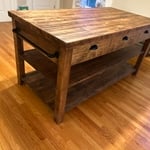
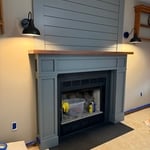
Custom Island
Custom Bookcases
Custom Bookcases
Custom Bookcases
6 neighbors recently requested a quote
Recommended by50%of homeowners
Avatar for Sentri Homes
Sentri Homes
2.9(
47
)
Carpentry Framing - InstallCustom Cabinets - Build

Serving North Windham, CT and surrounding areas

Approved

In business since 2023

Free estimates

Emergency services offered

"Found Sentri on Angi. Jeanette and Violet were very pleasant and efficient in getting a contractor to me in the time frame needed. The contractor was excellent and the roof looks great! I would definitely work with them again if I had additional projects."
20 neighbors recently requested a quote
...
Showing 1-10 of 202
Woodworking questions, answered by experts

Whether or not it’s easier to cut wood when it’s wet versus dry depends largely on the type of tool you use and the wood you’re cutting. For example, a chain saw should still be able to cut through wet wood with relative ease, but it may be more difficult to maneuver due to the wood fibers sticking to the chains of the saw. 
However, you might want to avoid cutting wood entirely when it’s wet if you’re pruning your tree. Sawing a wet tree that you don’t plan on removing can also encourage bacterial and fungal growth and decay.

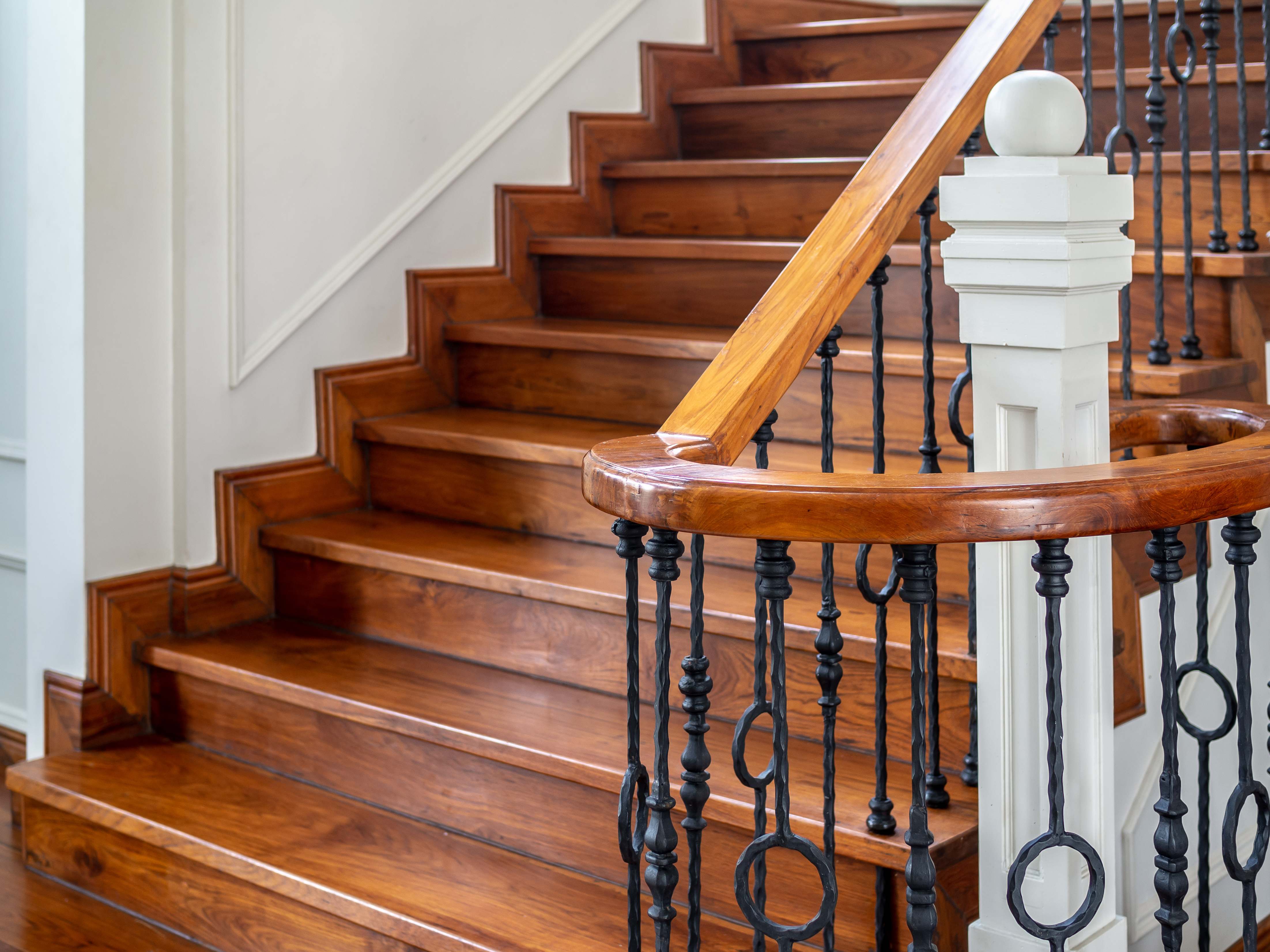
Many people, including professionals in the field, use baluster and spindle interchangeably to describe the vertical components of a railing (or technically, a balustrade). However, there are subtle or distinct differences, depending on who you ask. The most common interpretation is that spindles are thin or delicate versions of balusters.

You don’t need a cutting board. In fact, cutting is the original purpose of butcher block countertops. That said, wood is porous and can harbor germs. You’ll need to clean your countertop thoroughly after use. Knives can also scratch the surface. This adds to the patina of the wood, but not everyone likes the look—in which case, you may want to use a cutting board.

It is common for a contractor to ask for a down payment before starting a project, especially for jobs that require purchasing materials and equipment or hiring a crew. The deposit amount can range from 10% to 50% of the total job cost. While a request for up to 50% is not unusual, a contractor should not ask for more than that, and you should never pay for a project in full before the work has begun. To protect yourself, always discuss payment terms before starting and have a written contract that outlines the project timeline and expectations. Additionally, be sure to hire reputable contractors and check their licensing and insurance before the project begins.

Yes, you can find ceiling joists using simple tools if a stud finder isn't available.

Using a hammer requires patience and a keen ear. Gently tap the ceiling in a grid pattern, listening for sound changes. A hollow sound indicates space between joists, while a solid, dull thud suggests a joist. Mark the location with a pencil and confirm by tapping from different angles.

Alternatively, you can use a nail, but this method will leave small holes. You'll feel increased resistance when the nail hits a joist. Mark the spot and repeat the process every 16 or 24 inches to map the joist locations. This method is considered less reliable than using a stud finder.

The North Windham, CT homeowners’ guide to woodworking services

From average costs to expert advice, get all the answers you need to get your job done.