







Top-rated weed maintenance pros.

Get matched with top weed maintenance pros in Deep River, CT

Enter your zip and get matched with up to 5 pros

Need a pro for your weed maintenance project in Deep River, CT?

Select your specific project to find the pro for you.

TRUSTED BY DEEP RIVER, CT HOMEOWNERS

  • Average homeowner rating star icon4.5
    Average homeowner rating
  • Verified reviews icon79
    Verified weed maintenance services reviews

Find Weed maintenance pros in Deep River

No results for Weed maintenance pro in

Try adjusting your search criteria.
Weed Services questions, answered by experts

There are a few things you should ask a weed service company before hiring to ensure you’re choosing the best professional for the job:

  • How often will you apply herbicides?

  • Do you include any spot treatments or manual weed removal in your pricing?

  • Do you offer pet-safe and kid-safe herbicides?

  • What other lawn services can you provide?

  • Do you offer any kind of guarantee for the work performed?

  • Are you properly licensed and fully insured?

  • Do you have any customer references I could speak with?

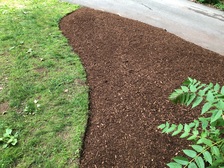
You should add 1 to 4 inches of mulch, depending on your garden type and needs. Keep in mind that no amount of mulch can completely prevent weeds, but a heavier coverage (closer to 4 inches) can suppress weeds enough that you are only seeing them sprout every few weeks. Finer mulch prevents weeds more effectively than large mulch, so if you’re using mulched leaves or shredded bark, 1 to 2 inches will likely suffice, while 3 to 4 inches is best for larger mulch, like bark chips or straw.

All herbicides come with risks, but you can control and mitigate risks by discussing your options with your weed service company before application. Some companies use milder or sustainable herbicides more times per season to control weeds rather than one to two herbicide sprayings annually. You can also ask your professional about pet-friendly and kid-friendly services. In most cases, though, you can wait a few days after the application for the herbicides to soak into the ground, at that point they shouldn’t pose a risk to you or your family.

Some of the particular herbicides that work best to get rid of nut grass without killing the grass include Halosulfuron-methyl, mesotrione, sulfentrazone, and metsulfuron. A herbicide like glyphosate would kill nutgrass, but it will kill nearby plants, too.

A spot herbicide for weed control is effective at killing crabgrass and not grass, but it depends on the type of herbicide. Always check the label to ensure that your herbicide is safe for grass but tough on crabgrass. Overall, spot treatment is ideal because it puts fewer herbicides into the soil, which can damage the soil. If you’re wanting a natural remedy to crabgrass that also won’t harm surrounding grass, you can also hand-remove crabgrass or even pour boiling water or 5% vinegar over crabgrass as a spot treatment.

The Deep River, CT homeowners’ guide to weed maintenance services

From average costs to expert advice, get all the answers you need to get your job done.