"I would highly recommend Alex Brown Company for Central Vacuum Repair. Joe was a professional & very skilled at his expertise. He knew exactly how to fix the problem & had the job complete quickly & efficiently.. I had 2 other companies out prior who charged me & did not fix the problem. I am thrilled to be able to use my central vacuum again."
HB Associate, LLC, is a manufacturer and distributor of healthy home products in over 500 locations in North America. As a longtime member of the Direct Selling Association, we deliver the finest wellness and cleaning products through franchise-based businesses. From state-of-the-art floor care systems, to air and water purification systems, HB Associate, LLC, creates clean, safe and healthy indoor environments for over 50 million businesses and homes in the USA and Canada.
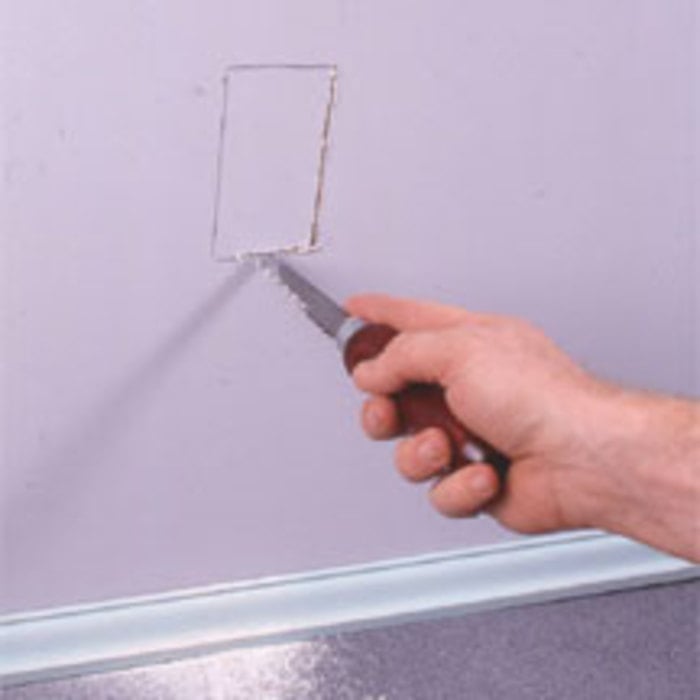
Experienced professionals don’t usually need to take down drywall to install the central vacuum. They are experienced in working in the tight spaces between walls and in crawl spaces to minimize any damage. The only drywall changes should be the holes cut for the new outlets. However, home design, existing plumbing, and other factors may require some modification. An estimate from a professional contractor should include information if any changes need to be made.
Before deciding whether or not to install a central vacuum system, consider the pros and cons to determine if it’s right for you.
Pros
Increased suction power
Improved air quality
Reduced noise pollution
Longer lifespan than traditional self-contained vacuum units
Cons
Higher upfront installation costs
Expensive repairs
Requires significant storage space
They’ll use more electricity than the average upright vacuum, but not remarkably more. Most power units plug into a standard 120-volt outlet and don’t have significant power demands. You shouldn’t notice an increase in electricity bills. If you have any specific questions about energy costs, ask your installer as you examine purchase decisions. Larger power units will need more electricity for their suction levels.
For the average-size house, a central vacuum installation usually takes one day of work by a team of professionals. Large houses may take two or more days. But if you are planning on a DIY project, it’s likely to take much longer. We suggest getting a few estimates for a project this big and fully understanding all the requirements before you make a decision about installation. Certain parts of your house may not be usable during the installation, and you may want to make other plans.
The cost to install a central vacuum cleaner system averages about $1,600, ranging from $1,100 to $2,200, depending on the size of the system, add-on features, your home’s location, and age of the system. Accessibility to running lines and other equipment can also impact the project cost. Consult a central vacuum cleaner installation company for an accurate estimate of your installation cost.
The Stratton, CO homeowners’ guide to central vacuum cleaner services
From average costs to expert advice, get all the answers you need to get your job done.
Get transparent information on central vacuum repair costs. Learn what impacts price, compare repair types, and see how to save on your central vacuum repair.
What is a central vacuum system? It can enhance your cleaning efficiency with ease—but is it right for your home? Learn pros, cons, installation costs, and more to make your decision.
A central vacuum system is a strong, durable, and effective alternative to traditional vacuums. Use this guide to determine whether or not a central vacuum is right for your home.
Find the best central vacuum service repair pro for your home. Learn what questions to ask, qualifications to check, and how to hire a reputable technician.