Top-rated energy efficiency auditors.

Get matched with top energy efficiency auditors in Springfield, CO

Enter your zip and get matched with up to 5 pros

Need a pro for your energy efficiency auditing project in Springfield, CO?

Select your specific project to find the pro for you.

Find Energy efficiency auditors in Springfield

Energy Efficiency Auditing questions, answered by experts

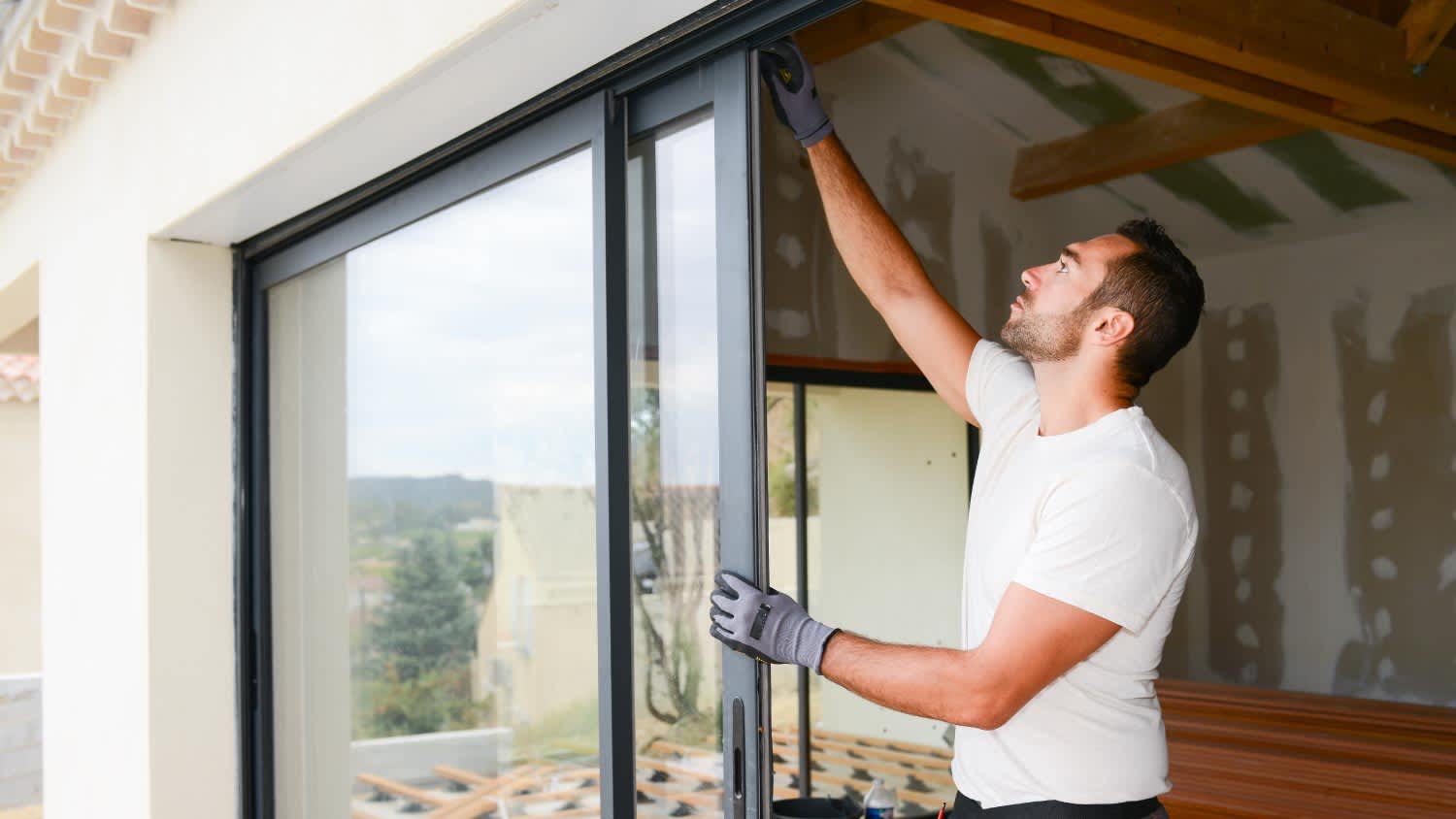
Smart glass doesn’t use a lot of electricity, and you can expect a standard window to add between $1 and $2 per year to your electric bills. Smart glass is proof that energy-efficient windows work. Although your smart windows may consume a little energy to operate, they can save enough energy to offset the costs. If you’re concerned about the minimal bump to your electricity consumption, you can opt for smart tint, which doesn’t require electricity to work.

Yes, installing an attic fan can help lower your electric bill—particularly if you live in a hot and humid region. By replacing hot and stuffy air with cooler air, these fans help regulate the temperature in your attic and the rest of your home, taking some of the pressure off of your air conditioner.

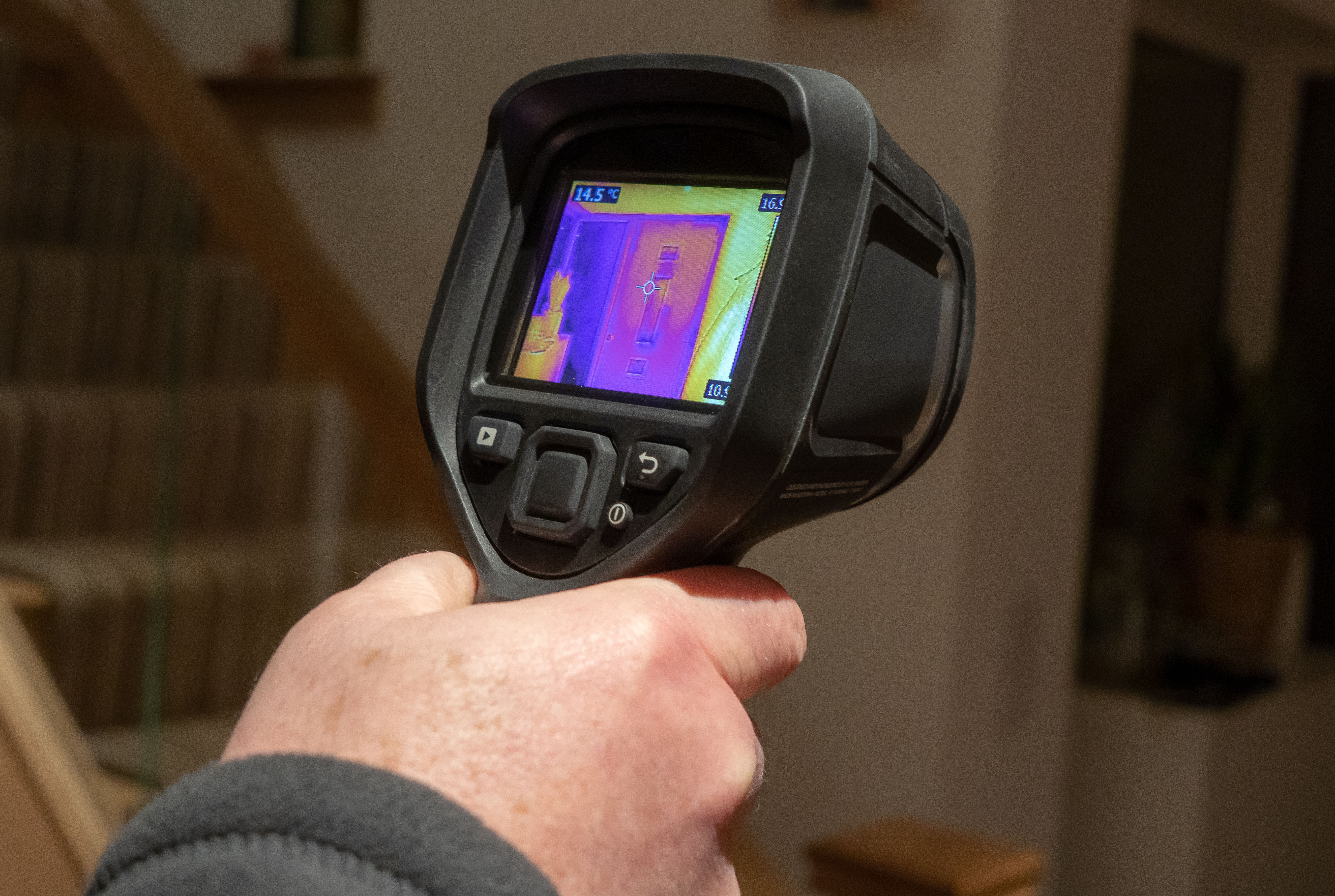
Depending on the level of audit you choose, a home energy audit will at least include a walk-through of the home to determine visible inefficiencies, but may include testing and a highly detailed inspection and report laying out the home’s inefficiencies and providing recommendations to fix those issues. The audit may also include a review of utility bills and mechanical testing. Consult your home energy auditor about the types of services they provide before hiring.

Heat pumps transfer existing heat instead of generating it, using less energy. Compared to baseboard heaters, they can reduce heating costs by up to 50% and provide efficient cooling, lowering electricity bills and carbon footprint.

Blower door tests are measured in a few different ways, but the most popular are air changes per hour (ACH) and cubic feet of air (CFM) moving through the house per hour. A good ACH score is less than 2ACH, but 1ACH is better. This means the house experiences a total air change within 60 minutes (for 1ACH). For 2ACH, there’s a complete change every 30 minutes, and so on. CFM scores are similar in that a lower score means less air change, and therefore less leakage.

The Springfield, CO homeowners’ guide to energy efficiency auditing services

From average costs to expert advice, get all the answers you need to get your job done.