"Alex was very knowledgeable and knew exactly want needs to be done. He was very prompt, Courteous and cost effective. My central vacuum (Beam) was NOT working for years due to clogs and Alex came and identified the problem in less than an hour by systematically isolating the problem and ordered parts that needed to be replaced. His fees was $129 + $ 7 for the belt that needed replacement. I would highly recommend Alex if you have any issues with your central vacuum system. Apparently he takes care of all the Brands out there."
Central Vacuum Cleaners questions, answered by experts
Yes, installing a central vacuum system typically adds value to your home. The ease of use, longevity, and superior suction power of a central vacuum system can add up to $2,000 to your home’s value if you decide to sell. Potential buyers may consider the central vacuum a perk to purchasing your home.
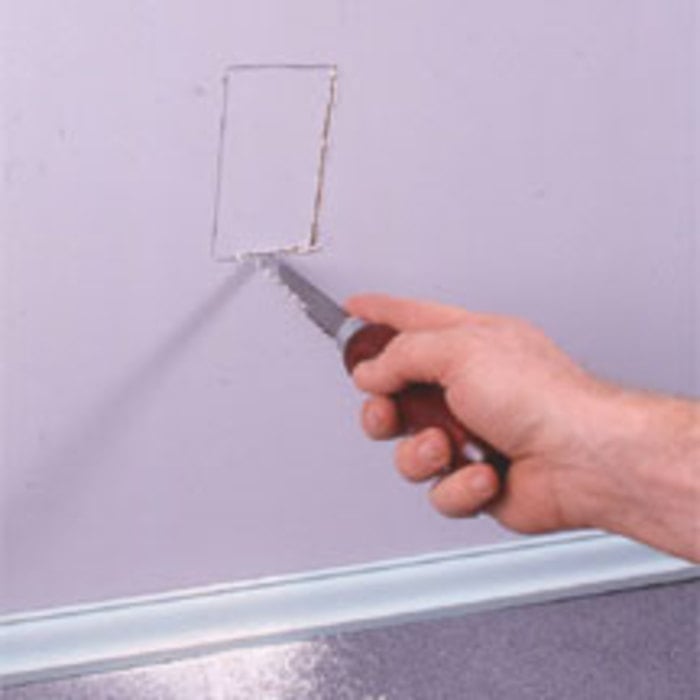
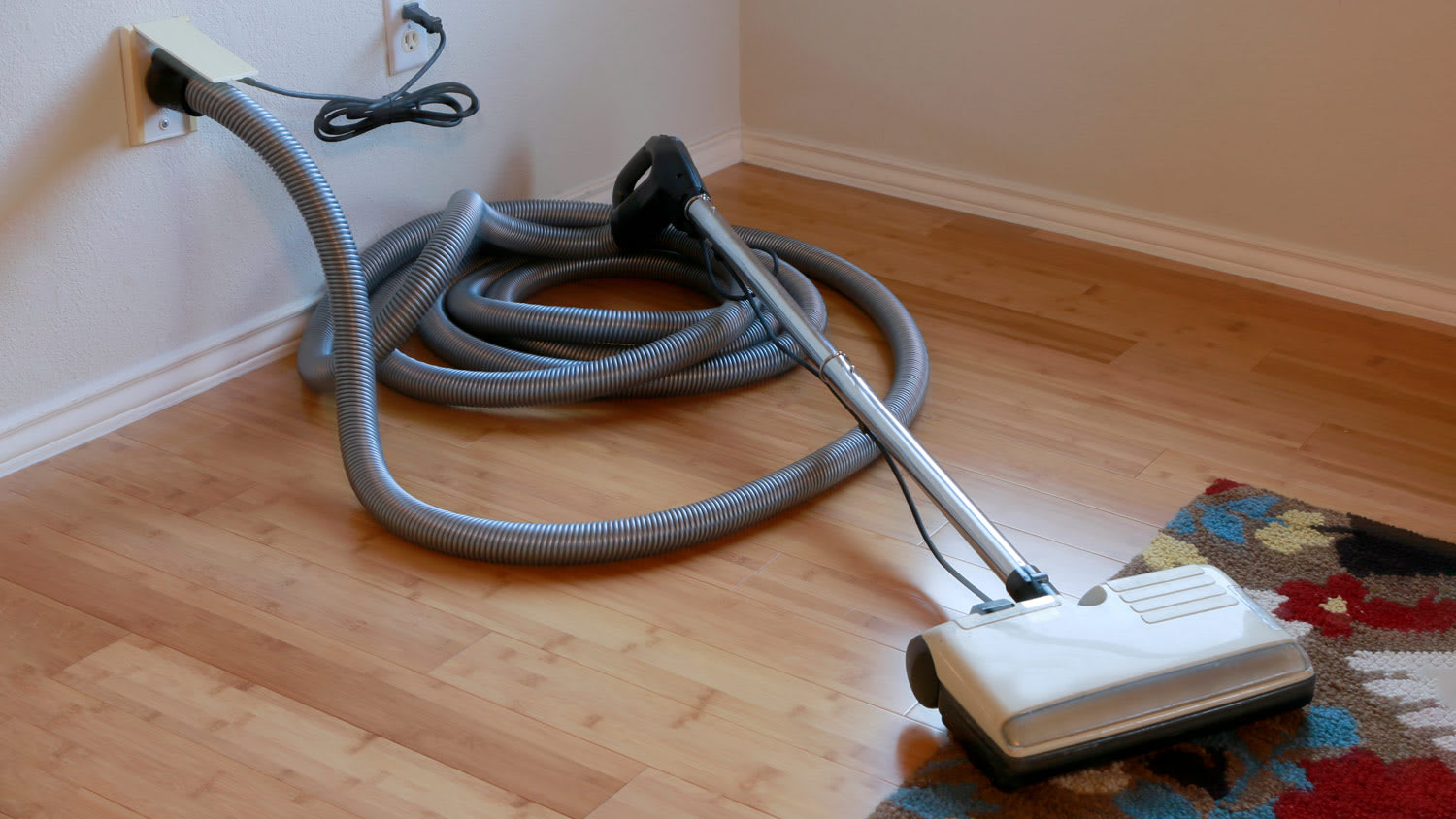
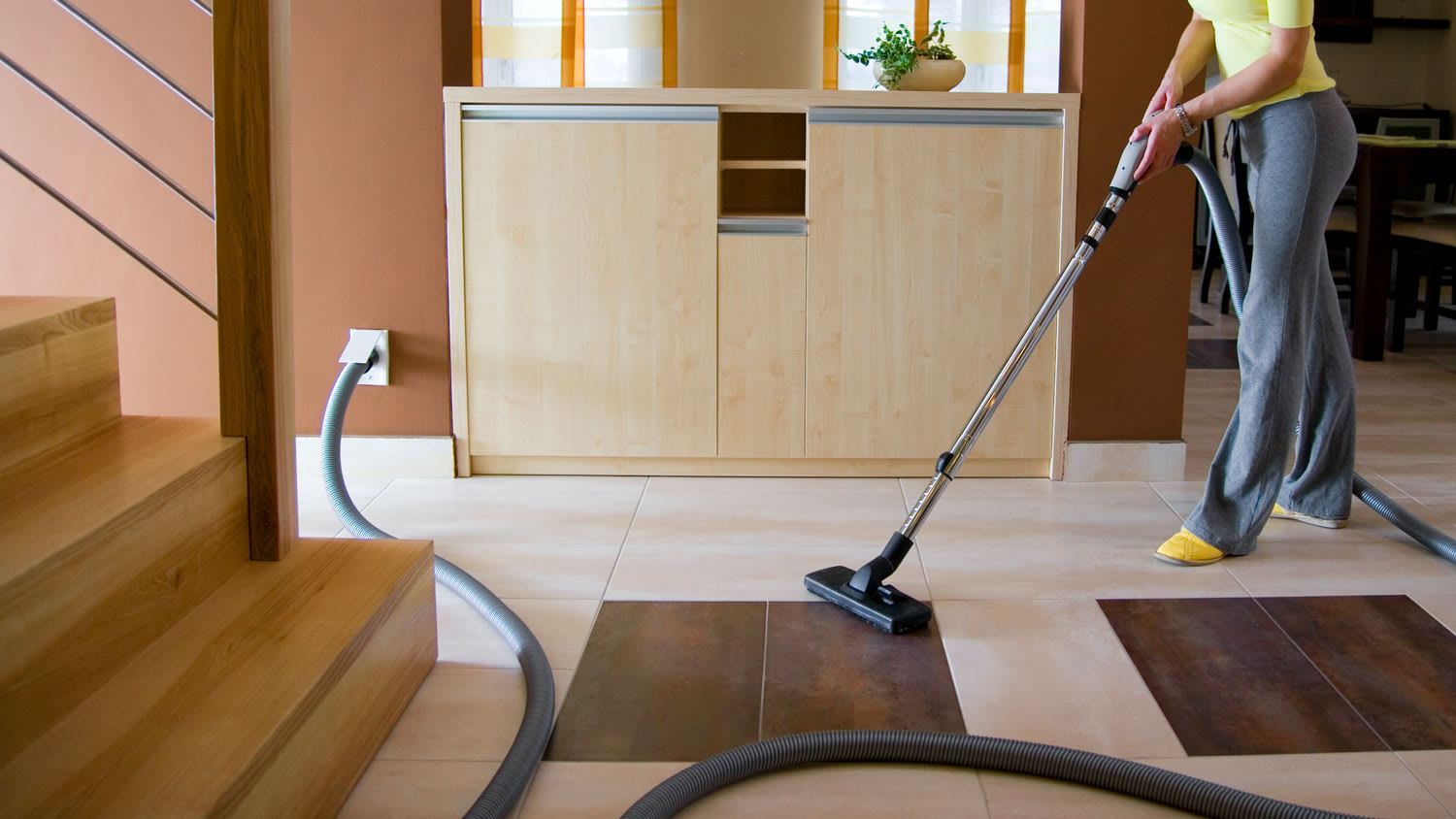
The disadvantages associated with central vacuums start with cost. They are expensive to install, especially in existing homes, as retrofitting requires opening walls. The system's bulky hoses can also be inconvenient to maneuver and store compared to portable vacuums. Additionally, repairs may need professional service, adding to maintenance costs. Lastly, while powerful, they may be overkill for smaller homes or apartments, making the investment less practical for some households.
For the average-size house, a central vacuum installation usually takes one day of work by a team of professionals. Large houses may take two or more days. But if you are planning on a DIY project, it’s likely to take much longer. We suggest getting a few estimates for a project this big and fully understanding all the requirements before you make a decision about installation. Certain parts of your house may not be usable during the installation, and you may want to make other plans.
Before deciding whether or not to install a central vacuum system, consider the pros and cons to determine if it’s right for you.
Pros
Increased suction power
Improved air quality
Reduced noise pollution
Longer lifespan than traditional self-contained vacuum units
Cons
Higher upfront installation costs
Expensive repairs
Requires significant storage space
The cost to install a central vacuum cleaner system averages about $1,600, ranging from $1,100 to $2,200, depending on the size of the system, add-on features, your home’s location, and age of the system. Accessibility to running lines and other equipment can also impact the project cost. Consult a central vacuum cleaner installation company for an accurate estimate of your installation cost.
The Springfield, CO homeowners’ guide to central vacuum cleaner services
From average costs to expert advice, get all the answers you need to get your job done.
Get transparent information on central vacuum repair costs. Learn what impacts price, compare repair types, and see how to save on your central vacuum repair.
What is a central vacuum system? It can enhance your cleaning efficiency with ease—but is it right for your home? Learn pros, cons, installation costs, and more to make your decision.
A central vacuum system is a strong, durable, and effective alternative to traditional vacuums. Use this guide to determine whether or not a central vacuum is right for your home.
If you are looking for an efficient way to eliminate pet hair in your home, a central vacuum might be a good fit. Here’s what you need to know before taking the plunge.